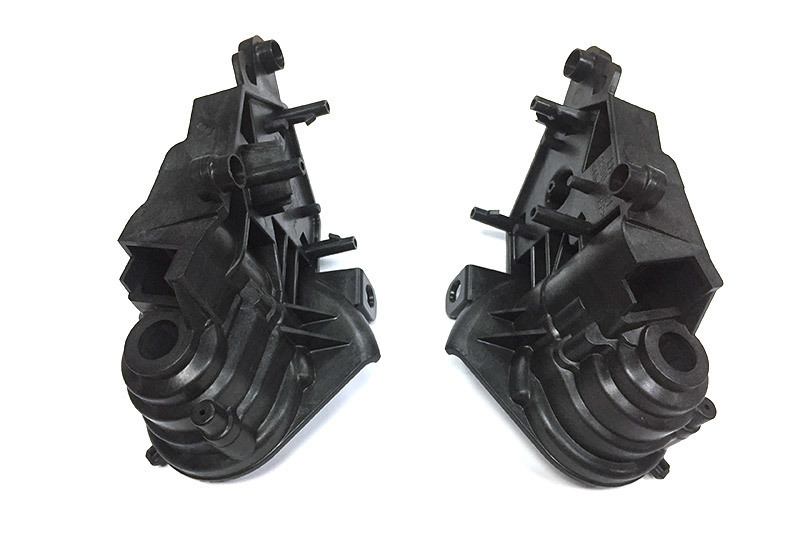
Plastic Mold for Rear View Mirror Holder – Design, Materials, Manufacturing Process and Applications
Plastic mold for rear view mirror holder ensures precise shaping, durable structure, smooth surface finish, and efficient mass production for automotive components.
2026-02-04
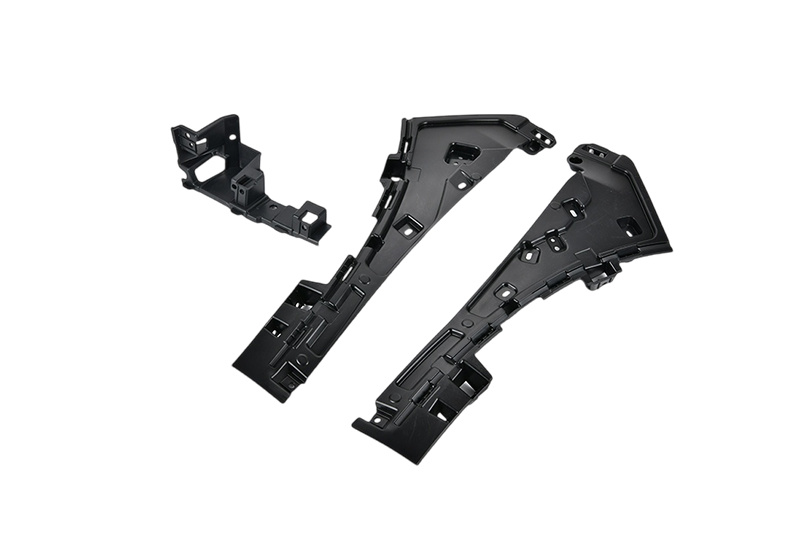
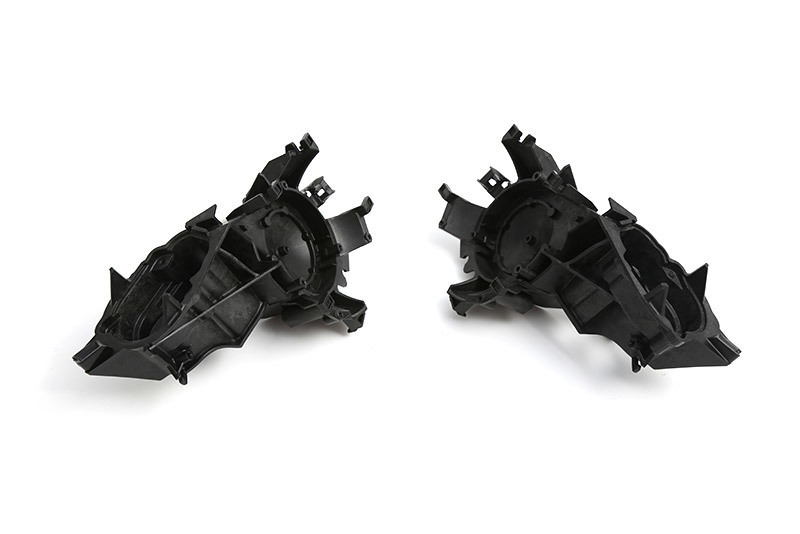
A plastic mold for a rear view mirror holder is a specialized tooling system used in the automotive industry to produce durable and precisely shaped mirror support components. These holders play an essential role in maintaining the stability, alignment, and safety of vehicle rear view mirrors. High-quality molds ensure consistent product dimensions, structural strength, and smooth surface finishing, which are critical for both performance and appearance. As vehicles continue to evolve with advanced design requirements, the demand for precision plastic molds has grown significantly.
The design phase of a rear view mirror holder mold begins with detailed product analysis and 3D modeling. Engineers evaluate the structural geometry, load-bearing requirements, and mounting positions to ensure the final part can withstand vibration, temperature changes, and long-term use. Mold designers also consider draft angles, wall thickness, cooling channels, and ejection systems to guarantee efficient molding cycles and easy product release. Computer-aided engineering (CAE) simulations are often used to predict material flow, shrinkage, and potential defects before production starts.
Material selection is another key factor in mold manufacturing. The mold itself is typically made from hardened tool steels such as P20, H13, or S136, chosen for their strength, wear resistance, and ability to maintain dimensional accuracy under repeated injection cycles. Meanwhile, the plastic materials used for the mirror holder components may include ABS, polypropylene (PP), polyamide (PA), or reinforced engineering plastics. These materials offer a balance between rigidity, impact resistance, and lightweight performance, which is essential in modern automotive design.
The manufacturing process of a plastic mold involves several precision steps, including CNC machining, electrical discharge machining (EDM), polishing, heat treatment, and assembly. High-precision machining ensures accurate cavity shapes and tight tolerances. Surface finishing techniques help achieve the desired texture and visual quality of the molded part. Proper cooling system design within the mold improves production efficiency by reducing cycle time and preventing warping or deformation.
Quality control is a critical part of mold production and operation. Mold testing and trial runs are performed to verify dimensional accuracy, part strength, and production stability. Adjustments may be made to optimize gate locations, venting, or cooling channels. Regular maintenance, including cleaning, lubrication, and inspection, extends the mold’s lifespan and ensures consistent product output over large production volumes.
Plastic molds for rear view mirror holders are widely used in passenger cars, commercial vehicles, electric vehicles, and aftermarket accessories. With the growing trend toward lightweight vehicles and advanced driver assistance systems (ADAS), mirror components must integrate sensors, cameras, or folding mechanisms. This increases the complexity of mold design and requires higher levels of precision engineering.
In conclusion, plastic molds for rear view mirror holders are essential tools in modern automotive manufacturing. They combine advanced design, high-quality materials, and precise machining processes to produce reliable components that meet strict safety and aesthetic standards. As automotive technology continues to develop, mold innovation will remain crucial in supporting efficient production and high-performance vehicle parts.
Related news