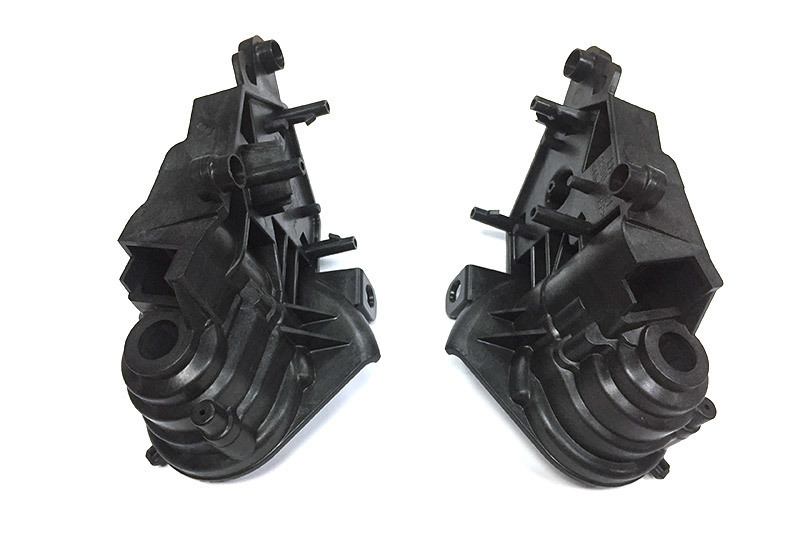
Maximizing Efficiency in IML Plastic Injection Parts Production
Maximizing Efficiency in IML Plastic Injection Parts Production Introduction to IML Plastic Injection Molding In the realm of plastic manufacturing, **In-Mold Labeling (IML)** has emerged as a game-changer. This advanced technique combines the processes of injection molding and labeling in a single operation, offering a myriad of benefits. By integrating the label during the molding process, manuf
2026-02-03
Maximizing Efficiency in IML Plastic Injection Parts Production
Introduction to IML Plastic Injection Molding
In the realm of plastic manufacturing, **In-Mold Labeling (IML)** has emerged as a game-changer. This advanced technique combines the processes of injection molding and labeling in a single operation, offering a myriad of benefits. By integrating the label during the molding process, manufacturers achieve a higher quality finish while reducing costs associated with secondary labeling operations. However, maximizing efficiency in IML plastic injection parts production requires a comprehensive understanding of the technology, materials, and processes involved.
The Importance of Efficiency in Production
Efficiency in production is paramount for any manufacturer looking to thrive in today’s competitive landscape. Enhancing operational efficiency translates to reduced production costs, minimized waste, and improved turnaround times. For companies involved in IML plastic injection parts production, achieving these efficiencies is crucial. Not only does it enhance profit margins, but it also boosts customer satisfaction through timely deliveries and superior product quality.
Current Trends in IML Plastic Injection Molding
Understanding current trends in IML plastic injection molding is essential for staying ahead of the competition. Some notable trends include:
1. **Smart Manufacturing**: Integrating IoT technologies and automation into production processes.
2. **Sustainability**: Increasing demand for biodegradable and recyclable materials.
3. **Customization**: The rise of personalized and customized products in the market.
4. **Advanced Materials**: Utilizing high-performance polymers for better durability and aesthetics.
Key Components of Efficient IML Production
1. Selecting the Right Equipment
The choice of equipment plays a critical role in achieving efficiency in IML production. Modern injection molding machines equipped with advanced features can significantly enhance productivity. Look for machines that offer:
- **High precision** for better replication of intricate designs.
- **Fast cycle times** to reduce production time.
- **Energy efficiency** to lower operational costs.
2. Optimizing Process Parameters
Fine-tuning process parameters such as temperature, pressure, and cooling times can lead to substantial improvements in efficiency.
- **Temperature Control**: Maintaining optimal melt temperatures ensures better flow and reduces defects.
- **Pressure Management**: Properly calibrated injection pressure can enhance the quality of the final product.
- **Cycle Time Reduction**: Streamlining cooling and injection times helps in increasing overall output.
3. Material Selection for IML
Choosing the right materials is crucial for maximizing efficiency. The compatibility of the label material with the base polymer affects adhesion, aesthetics, and durability. Commonly used materials include:
- **Polypropylene (PP)**: Known for its excellent clarity and low density.
- **Polyethylene (PE)**: Offers good chemical resistance and is cost-effective.
- **Acrylics**: Provide superior surface quality and UV resistance.
The Role of Automation in IML Production
1. Automated Label Placement
Implementing automated systems for label placement not only enhances accuracy but also speeds up the production process. Automated systems can ensure that the labels are perfectly positioned every time, reducing the risk of defects.
2. Robotics in Handling and Quality Control
Robotics can play a vital role in handling finished parts and ensuring quality control. Automated vision systems can detect flaws and ensure only high-quality products proceed through the production line.
Lean Manufacturing Principles for IML Production
Applying lean manufacturing principles can help streamline the IML production process. This involves identifying and eliminating waste in every step of the production cycle. Key strategies include:
- **Value Stream Mapping**: Analyze the flow of information and materials to identify bottlenecks.
- **Continuous Improvement (Kaizen)**: Foster a culture where employees are encouraged to suggest improvements.
- **Just-In-Time Production**: Reducing inventory levels and producing only what is needed when it is needed.
Implementing Quality Control Measures
Quality control is paramount in IML plastic injection parts production. Implementing stringent quality control measures ensures that products meet customer specifications and regulatory standards. Key aspects of quality control include:
- **In-Process Testing**: Regular checks during the production process can catch defects early.
- **Final Inspection**: A thorough inspection of finished products guarantees they meet quality standards.
Training and Workforce Development
Investing in workforce training is essential for maximizing efficiency. Skilled operators are crucial for successfully implementing new technologies and processes. Training should focus on:
- **Machine Operation**: Ensuring staff are proficient in using modern injection molding machines.
- **Quality Standards**: Understanding the importance of maintaining high-quality outputs.
- **Safety Procedures**: Educating employees on workplace safety to minimize accidents and downtime.
Cost Management Strategies in IML Production
Effective cost management strategies can significantly enhance profitability in IML plastic injection parts production. Consider the following approaches:
- **Bulk Purchasing**: Negotiate with suppliers for bulk pricing on materials.
- **Energy Efficiency**: Invest in energy-efficient machinery to reduce utility costs.
- **Waste Reduction**: Implement measures to minimize scrap and rework, such as using advanced monitoring systems.
Conclusion
Maximizing efficiency in IML plastic injection parts production is a multifaceted endeavor that requires a holistic approach. By focusing on equipment selection, process optimization, material choice, automation, lean manufacturing principles, quality control, workforce development, and cost management, manufacturers can significantly enhance their operational efficiency. Achieving these efficiencies not only improves profitability but also ensures sustainable growth in an increasingly competitive market.
FAQs
1. What is In-Mold Labeling (IML)?
In-Mold Labeling is a manufacturing process that integrates labeling directly into the injection molding process, eliminating the need for post-production labeling.
2. What are the benefits of IML in plastic production?
IML offers benefits such as improved aesthetics, reduced labor costs, enhanced durability, and the ability to produce complex designs with high precision.
3. How can I improve cycle time in IML production?
Cycle time can be improved by optimizing process parameters, investing in faster machinery, and implementing efficient cooling strategies.
4. What materials are commonly used in IML production?
Common materials include polypropylene, polyethylene, and acrylics, each chosen for their specific properties and compatibility with labels.
5. Why is workforce training important in IML production?
Proper training ensures that operators are skilled in using advanced technology and adhering to quality standards, which ultimately enhances production efficiency and product quality.
Related news