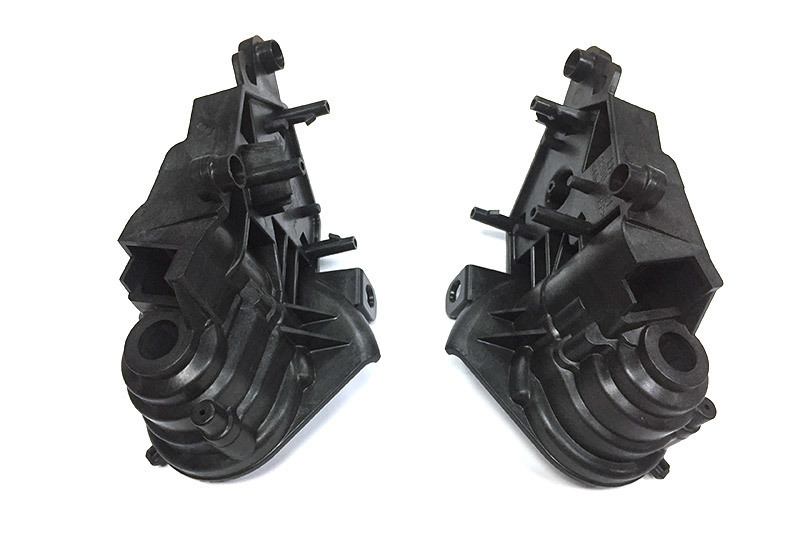
How Injection Mold Design Impacts Your Auto Dashboard’s Quality
How Injection Mold Design Impacts Your Auto Dashboard’s Quality Table of Contents 1. Introduction to Injection Molding in Automotive Production 2. Understanding Injection Molding: The Basics 3. The Importance of Mold Design in Automotive Dashboards 3.1 Material Selection and Its Effect on Quality 3.2 Precision Engineering: The Heart of Mold Design
2026-01-26
How Injection Mold Design Impacts Your Auto Dashboard’s Quality
Table of Contents
- 1. Introduction to Injection Molding in Automotive Production
- 2. Understanding Injection Molding: The Basics
- 3. The Importance of Mold Design in Automotive Dashboards
- 3.1 Material Selection and Its Effect on Quality
- 3.2 Precision Engineering: The Heart of Mold Design
- 4. Aesthetic Considerations in Dashboard Design
- 5. Functional Features Driven by Mold Design
- 6. Advanced Technologies in Injection Mold Design
- 7. Case Studies: Successful Mold Designs
- 8. Future Trends in Injection Mold Design for Automotive Interiors
- 9. Frequently Asked Questions
- 10. Conclusion
1. Introduction to Injection Molding in Automotive Production
Injection molding is a cornerstone technology in the automotive industry, particularly in the production of dashboards. The dashboard serves as a critical interface between the vehicle and the driver, encapsulating essential functionalities while contributing to the vehicle's overall aesthetic appeal. In this article, we will delve into how **injection mold design** significantly impacts the quality of auto dashboards, affecting everything from durability to visual appeal.
2. Understanding Injection Molding: The Basics
At its core, **injection molding** involves injecting molten material into a mold to form specific shapes. This process is highly favored in the automotive sector due to its efficiency in producing complex parts with high precision. The choice of materials, mold design, and processing conditions all play a pivotal role in determining the final product quality.
3. The Importance of Mold Design in Automotive Dashboards
The design of the injection mold is vital for producing high-quality auto dashboards. A well-designed mold enables the efficient production of parts that meet stringent automotive standards.
3.1 Material Selection and Its Effect on Quality
The material selected for the production of dashboards is crucial. Common materials include:
- **Acrylonitrile Butadiene Styrene (ABS)**: Known for its impact resistance and ease of machining.
- **Polycarbonate (PC)**: Offers excellent strength and transparency.
- **Polypropylene (PP)**: Lightweight and resistant to various chemicals.
The right choice of material not only impacts the durability of the dashboard but also affects its aesthetic qualities. The mold design must accommodate the unique properties of each material to ensure optimal results.
3.2 Precision Engineering: The Heart of Mold Design
Precision engineering in mold design ensures that the components fit together perfectly, which is critical for achieving high-quality dashboards. Factors such as:
- **Tolerances**: Close tolerances reduce the risk of defects.
- **Cooling Systems**: Efficient cooling systems help maintain uniform temperature distribution, minimizing warping and dimensional inaccuracies.
Incorporating advanced engineering principles into mold design leads to enhanced performance and product quality.
4. Aesthetic Considerations in Dashboard Design
A dashboard is not just a functional component; it is a key element of a vehicle's interior design. The mold design process must consider aesthetic attributes such as:
- **Surface Finish**: Textured or glossy finishes can significantly influence the visual appeal.
- **Color Matching**: Consistency in color is crucial for creating an attractive dashboard that complements the car's interior.
The mold's design must facilitate these aesthetic requirements while maintaining functionality and safety features.
5. Functional Features Driven by Mold Design
Modern dashboards are equipped with a multitude of features that enhance the driving experience. The mold design can incorporate elements such as:
- **Integrated Displays**: Molds can be designed to accommodate screens and instrument panels seamlessly.
- **Ergonomic Shapes**: The contours of the dashboard can be optimized for user comfort and accessibility.
These functional features directly relate to the effectiveness of the injection mold design.
6. Advanced Technologies in Injection Mold Design
The evolution of technology has revolutionized the injection molding process. Innovations such as:
- **3D Printing**: Used for rapid prototyping, allowing faster design iterations.
- **Computer-Aided Design (CAD)**: Facilitates precision in mold design and simulation of the injection process.
These technologies enhance the ability to create molds that maximize quality and minimize production time.
7. Case Studies: Successful Mold Designs
Several manufacturers have successfully leveraged advanced mold designs to improve the quality of their dashboards. For instance, Company X utilized a multi-cavity mold that allowed simultaneous production of multiple parts, significantly reducing lead time and ensuring uniformity across units.
Another example involves Company Y, which incorporated a cooling system designed to optimize the temperature distribution within the mold. This innovation reduced warping and enhanced the structural integrity of the final product.
8. Future Trends in Injection Mold Design for Automotive Interiors
As the automotive industry continues to evolve, so do the trends in injection mold design. Key trends to watch for include:
- **Sustainability**: The use of biodegradable materials and environmentally friendly processes is becoming increasingly important.
- **Customization**: The demand for personalized dashboards is rising, necessitating more flexible mold designs that can accommodate unique specifications.
These trends will shape the future of dashboard manufacturing, making mold design a critical area for innovation and improvement.
9. Frequently Asked Questions
What is injection molding?
Injection molding is a manufacturing process that involves injecting molten material into a mold to create specific shapes and components, commonly used in automotive production.
How does mold design affect dashboard quality?
Mold design affects the precision, durability, and aesthetics of the dashboard, directly impacting its overall quality and user experience.
What materials are commonly used in dashboard manufacturing?
Common materials include ABS, polycarbonate, and polypropylene, each offering unique qualities suited for automotive applications.
What are the advantages of using advanced technologies in mold design?
Advanced technologies such as 3D printing and CAD facilitate precision, faster prototyping, and the ability to create complex designs that enhance product quality.
What future trends should we expect in dashboard design?
Expect trends focusing on sustainability, customization, and the integration of advanced technology, shaping how dashboards are designed and manufactured.
10. Conclusion
In conclusion, the impact of injection mold design on the quality of auto dashboards cannot be overstated. From material selection to aesthetic considerations, each aspect of the mold design contributes to the overall performance and appeal of the dashboard. As technology advances and consumer expectations evolve, the importance of precise and innovative mold design will only continue to grow. Investing in quality mold design will not only improve the final product but also enhance the driving experience and satisfaction for consumers.
Related news