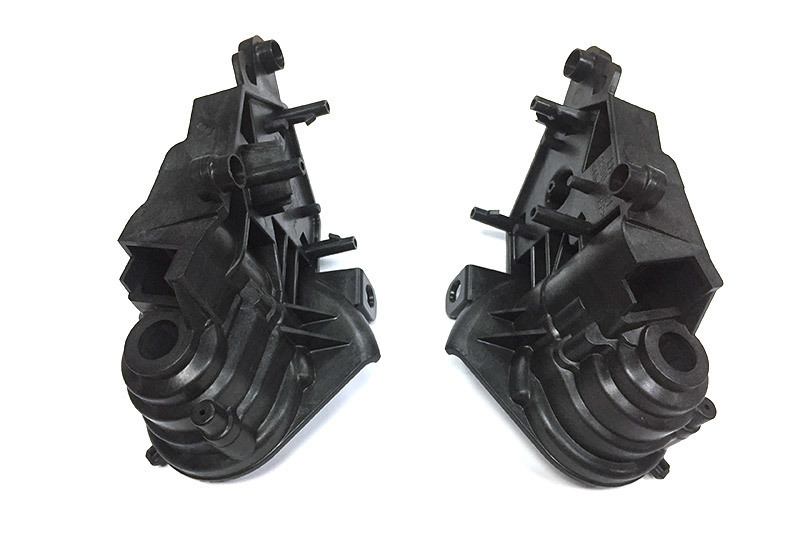
Step-by-Step Guide to Selecting the Right Automotive Mold for Dashboard Pipes
Step-by-Step Guide to Selecting the Right Automotive Mold for Dashboard Pipes Selecting the appropriate automotive mold for dashboard pipes is crucial for achieving high-quality production and optimal performance. The dashboard is an integral part of vehicle aesthetics and functionality, making the choice of mold vital for manufacturers. This guide will navigate you through the essential factors t
2026-01-18
Step-by-Step Guide to Selecting the Right Automotive Mold for Dashboard Pipes
Selecting the appropriate automotive mold for dashboard pipes is crucial for achieving high-quality production and optimal performance. The dashboard is an integral part of vehicle aesthetics and functionality, making the choice of mold vital for manufacturers. This guide will navigate you through the essential factors to consider when selecting automotive molds specifically for dashboard pipes, ensuring you make informed, effective choices for your manufacturing needs.
Understanding the Importance of Automotive Molds
Automotive molds play a pivotal role in shaping the components of a vehicle. They ensure precision, consistency, and efficiency in the production process. When it comes to dashboard pipes, the right mold must deliver the required specifications while accommodating aesthetic design and functionality. The selection of an appropriate mold can significantly impact the performance, durability, and appearance of the final product.
Key Functions of Molds in Automotive Manufacturing
1. **Precision Shaping**: Molds offer the ability to create parts with intricate designs and fine tolerances, which are essential for dashboard pipes that may include various functions like air vents and cable management.
2. **Material Efficiency**: Proper molds minimize waste by optimizing the use of raw materials during the manufacturing process.
3. **Consistency in Production**: High-quality molds ensure that every manufactured piece maintains the same level of quality, which is crucial for automotive components that must meet safety and regulatory standards.
Factors to Consider When Selecting Automotive Molds
When choosing the right automotive mold for dashboard pipes, several factors must be examined. These include material selection, mold design, manufacturing techniques, and the intended use of the dashboard pipes.
1. Material Selection for Molds
The material used for the mold itself significantly affects the molding process and the quality of the final product. Common materials include:
- **Aluminum**: Lightweight and good for low-volume production. It offers faster cycle times and is less expensive than steel.
- **Steel**: Best for high-volume production due to its durability and longevity, but it has higher upfront costs.
- **Composite Materials**: These can provide excellent thermal conductivity and reduced weight, suitable for specialized applications.
Choosing the Right Material for Dashboard Pipes
For dashboard pipes, the mold material should withstand the specific conditions of the manufacturing process while maintaining the integrity of the final product. For example, if high heat resistance is required, select molds made from materials that can endure these temperatures without warping.
2. Mold Design Considerations
Mold design is as critical as material selection. A well-thought-out design can lead to a more efficient production process and better-quality products. Consider the following:
- **Complexity of Design**: Dashboard pipes often require complex shapes and precise fittings. Ensure that the mold design accommodates these complexities.
- **Draft Angles**: Proper draft angles will facilitate easier removal of the molded parts, preventing damage during the demolding process.
- **Cooling Channels**: Optimized cooling channels within the mold can enhance cycle times and improve overall product quality.
Utilizing Advanced CAD Software for Mold Design
Employing advanced CAD (Computer-Aided Design) software can streamline the mold design process, allowing for more precise specifications and adjustments. This technology can help visualize complex designs and anticipate potential challenges before production begins.
3. Manufacturing Techniques for Molds
There are various manufacturing techniques used in creating molds. Understanding these methods will help you select the best approach for your needs.
- **CNC Machining**: This is a precise manufacturing process that can create molds with high accuracy, ideal for complex designs.
- **Injection Molding**: The most common technique for producing parts, suitable for high-volume production.
- **3D Printing**: Emerging technology that allows for rapid prototyping and lower initial costs, although it may not be suitable for high-volume production.
Assessing Production Volume Needs
Your choice of manufacturing technique should align with the predicted production volume. For high-volume production, injection molding with steel molds is typically favored, while low volumes or prototype testing may benefit from 3D printing.
Evaluating the Intended Use of Dashboard Pipes
Understanding how the dashboard pipes will be used is essential for selecting the right mold. Consider factors such as:
- **Temperature Extremes**: Dashboard pipes are exposed to varying temperatures, so materials that can withstand these extremes are essential.
- **UV Exposure**: If the dashboard will be exposed to sunlight, UV-resistant materials should be used to prevent degradation.
4. Compliance with Automotive Standards
Automotive parts must comply with various safety and regulatory standards. Ensure that the molds and the materials used in production meet these requirements to avoid compliance issues later in the manufacturing process.
International Standards for Automotive Components
Familiarize yourself with standards such as ISO 9001, which pertain to quality management systems, and the specific automotive standards like IATF 16949, ensuring that your molds and final products meet the necessary criteria for safety and performance.
Cost Considerations in Mold Selection
Budget is always a critical factor in manufacturing decisions. The cost of automotive molds can vary widely based on materials, design complexity, and manufacturing techniques.
1. Initial Investment vs. Long-Term Savings
While steel molds may have a higher upfront cost compared to aluminum, they offer long-term savings through durability and reduced maintenance needs. Evaluating the total cost of ownership rather than just the initial investment can provide a clearer picture.
Calculating ROI on Mold Investment
Conduct a Return on Investment (ROI) analysis to determine the long-term benefits of various mold options. This should include factors such as production efficiency, lifespan of the mold, and quality of the produced parts.
Maintaining and Inspecting Automotive Molds
Proper maintenance and regular inspection of molds are essential for ensuring consistent production quality. Implementing a routine maintenance schedule can prolong the life of your molds and prevent costly downtime.
1. Regular Cleaning and Maintenance
Debris and residue can accumulate in molds, affecting the quality of the final product. Establish a cleaning routine that includes:
- Using appropriate solvents to remove material buildup
- Inspecting for any wear or damage that could impact mold performance
Implementing a Mold Maintenance Log
Keep a detailed log of maintenance activities, inspections, and repairs. This documentation helps identify patterns that may require attention and can guide future mold selections.
2. Inspection Techniques
Utilize various inspection techniques, such as visual inspections, to identify wear and tear. Non-destructive testing methods can also be employed to assess the integrity of molds without damaging them.
FAQs About Selecting Automotive Molds for Dashboard Pipes
1. What is the best material for automotive molds?
The best material depends on the production volume and complexity. Steel molds are ideal for high-volume production, while aluminum is suitable for lower volumes or prototypes.
2. How long does it take to produce an automotive mold?
The time to produce a mold can vary based on complexity and manufacturing processes, ranging from several weeks to a few months.
3. Can I use 3D printing for automotive molds?
Yes, 3D printing is viable for rapid prototyping or low-volume production but may not withstand the demands of high-volume production.
4. How do I ensure my molds meet automotive standards?
Work with suppliers who have experience with automotive regulations and ensure that both the materials and processes comply with industry standards.
5. What factors influence the cost of automotive molds?
Cost is influenced by material choice, mold complexity, manufacturing techniques, and maintenance needs. Evaluating the total cost of ownership is essential for budget planning.
Conclusion
Selecting the right automotive mold for dashboard pipes involves a careful consideration of multiple factors, from material choice and design to compliance with industry standards. Understanding the intricacies of mold selection will enhance the quality of your production and ensure the durability and performance of your automotive components. By following this step-by-step guide, manufacturers can make informed decisions that lead to successful outcomes in the automotive molding industry. The right mold not only supports production efficiency but also contributes to the overall success of the automotive products being developed.
Related news