Maximizing Efficiency: The Role of Injection Molds in Air Intake Pipe Assembly
Injection molding is a vital manufacturing process in producing complex plastic components, including air intake pipe assemblies. These assemblies are crucial in managing airflow within internal combustion engines, enhancing performance and efficiency. The injection mold for air intake pipe assembly must be meticulously designed to cater to specific geometric and functional requirements, ensuring
2026-01-06
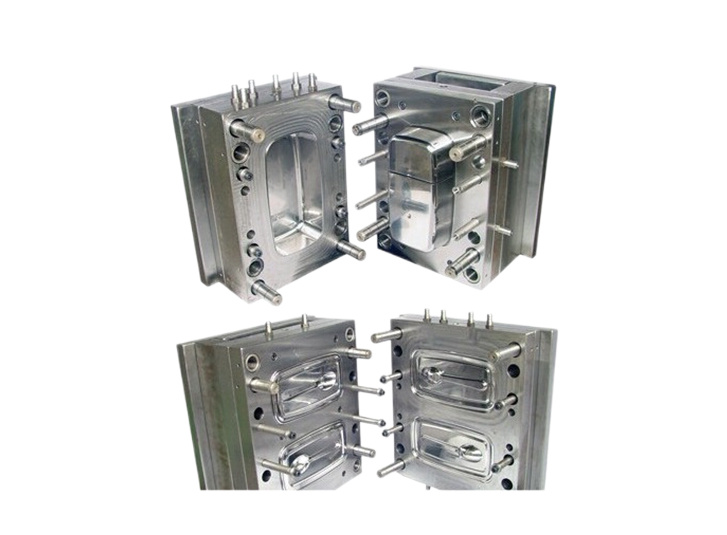
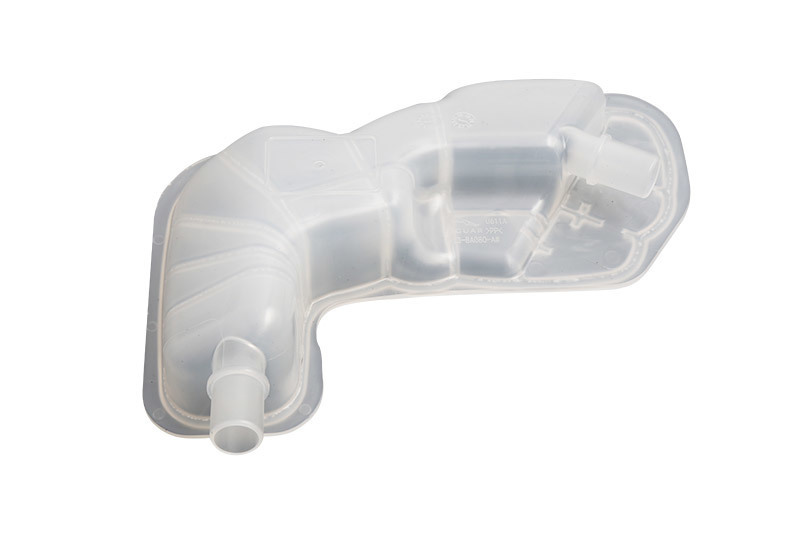
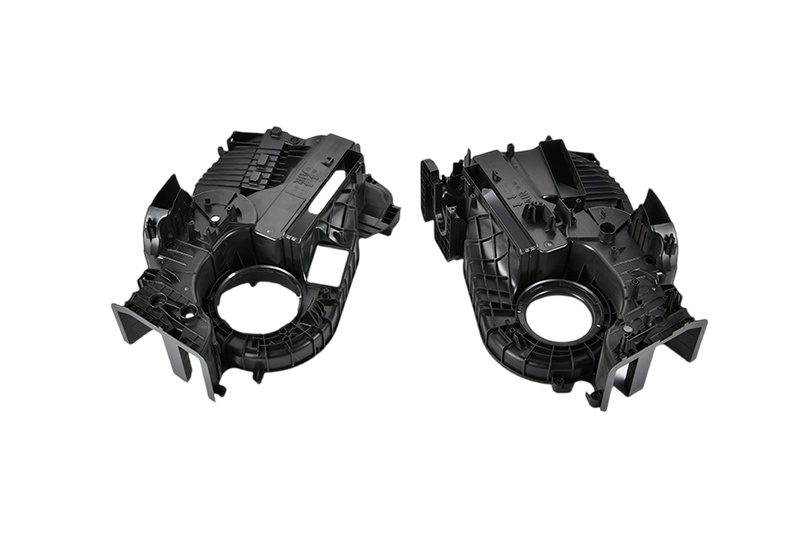
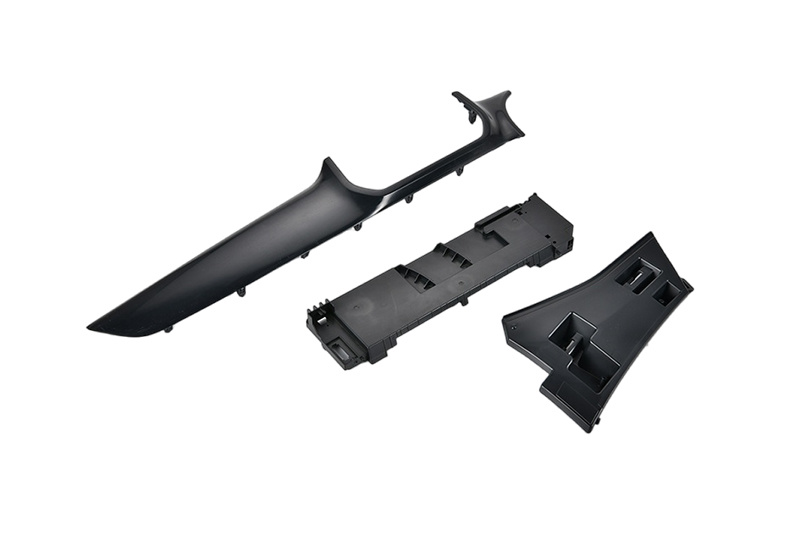
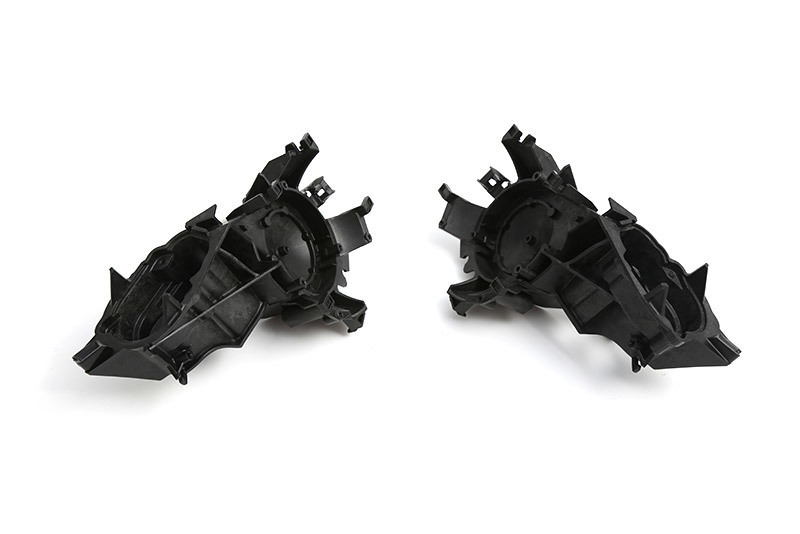
Injection molding is a vital manufacturing process in producing complex plastic components, including air intake pipe assemblies. These assemblies are crucial in managing airflow within internal combustion engines, enhancing performance and efficiency. The injection mold for air intake pipe assembly must be meticulously designed to cater to specific geometric and functional requirements, ensuring that the final product meets stringent industry standards.
One of the primary considerations in designing an injection mold for air intake pipe assemblies is the choice of materials. The materials used in injection molding must possess high thermal stability, chemical resistance, and durability to withstand the operational conditions of automotive engines. Commonly utilized materials include high-density polyethylene (HDPE) and polyamide (PA), which offer excellent mechanical properties and can endure high temperatures.
The design of the mold itself is equally crucial. It should incorporate features that facilitate proper cooling and reduce cycle times, leading to increased production efficiency. Incorporating cooling channels strategically within the mold can enhance the cooling process, thereby speeding up production. This efficiency is paramount in high-volume manufacturing environments, where time and cost savings can significantly impact profitability.
Additionally, the mold design must consider draft angles and surface finishes. Draft angles facilitate the easy removal of the molded parts from the cavity, minimizing the risk of damage and ensuring a longer lifespan for the mold. Surface finishes are also essential, as they affect the final product's appearance and functionality. A smooth finish can reduce friction and contribute to better airflow within the intake system.
Furthermore, the injection molding process itself involves several stages, including filling, packing, and cooling. During the filling stage, the molten plastic is injected into the mold cavity under high pressure, ensuring that it fills every intricate detail. The packing stage allows for additional material to be injected, compensating for any shrinkage that may occur as the plastic cools. Finally, the cooling stage solidifies the part, preparing it for ejection from the mold.
Continuous advancements in injection molding technology, such as the introduction of computer-aided design (CAD) and simulations, have further enhanced the accuracy and efficiency of mold design. These technologies allow manufacturers to predict potential issues before production begins, ensuring that the final product meets all specifications.
In conclusion, the injection mold for air intake pipe assembly plays a crucial role in the manufacturing process, affecting both the performance of the final product and the efficiency of production. By focusing on material selection, mold design, and process optimization, manufacturers can create high-quality air intake assemblies that meet the demands of modern automotive applications. Understanding these aspects is essential for companies looking to excel in the competitive landscape of plastic manufacturing.
One of the primary considerations in designing an injection mold for air intake pipe assemblies is the choice of materials. The materials used in injection molding must possess high thermal stability, chemical resistance, and durability to withstand the operational conditions of automotive engines. Commonly utilized materials include high-density polyethylene (HDPE) and polyamide (PA), which offer excellent mechanical properties and can endure high temperatures.
The design of the mold itself is equally crucial. It should incorporate features that facilitate proper cooling and reduce cycle times, leading to increased production efficiency. Incorporating cooling channels strategically within the mold can enhance the cooling process, thereby speeding up production. This efficiency is paramount in high-volume manufacturing environments, where time and cost savings can significantly impact profitability.
Additionally, the mold design must consider draft angles and surface finishes. Draft angles facilitate the easy removal of the molded parts from the cavity, minimizing the risk of damage and ensuring a longer lifespan for the mold. Surface finishes are also essential, as they affect the final product's appearance and functionality. A smooth finish can reduce friction and contribute to better airflow within the intake system.
Furthermore, the injection molding process itself involves several stages, including filling, packing, and cooling. During the filling stage, the molten plastic is injected into the mold cavity under high pressure, ensuring that it fills every intricate detail. The packing stage allows for additional material to be injected, compensating for any shrinkage that may occur as the plastic cools. Finally, the cooling stage solidifies the part, preparing it for ejection from the mold.
Continuous advancements in injection molding technology, such as the introduction of computer-aided design (CAD) and simulations, have further enhanced the accuracy and efficiency of mold design. These technologies allow manufacturers to predict potential issues before production begins, ensuring that the final product meets all specifications.
In conclusion, the injection mold for air intake pipe assembly plays a crucial role in the manufacturing process, affecting both the performance of the final product and the efficiency of production. By focusing on material selection, mold design, and process optimization, manufacturers can create high-quality air intake assemblies that meet the demands of modern automotive applications. Understanding these aspects is essential for companies looking to excel in the competitive landscape of plastic manufacturing.
Related news