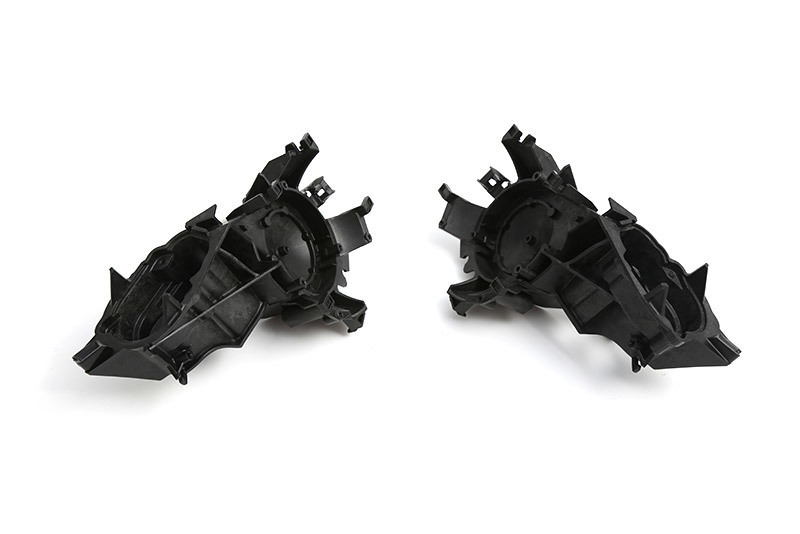
Optimizing Plastic Injection Molds for Vehicle Trim: A Comprehensive Guide
Plastic injection molding has become an essential technique in the automotive industry, particularly for producing vehicle trim components. This method allows manufacturers to create precise, complex shapes with high repeatability, which is crucial for maintaining quality and reducing waste. Understanding the intricacies of plastic injection molds for vehicle trim can significantly improve product
2025-12-29
Plastic injection molding has become an essential technique in the automotive industry, particularly for producing vehicle trim components. This method allows manufacturers to create precise, complex shapes with high repeatability, which is crucial for maintaining quality and reducing waste. Understanding the intricacies of plastic injection molds for vehicle trim can significantly improve production efficiency and product performance.
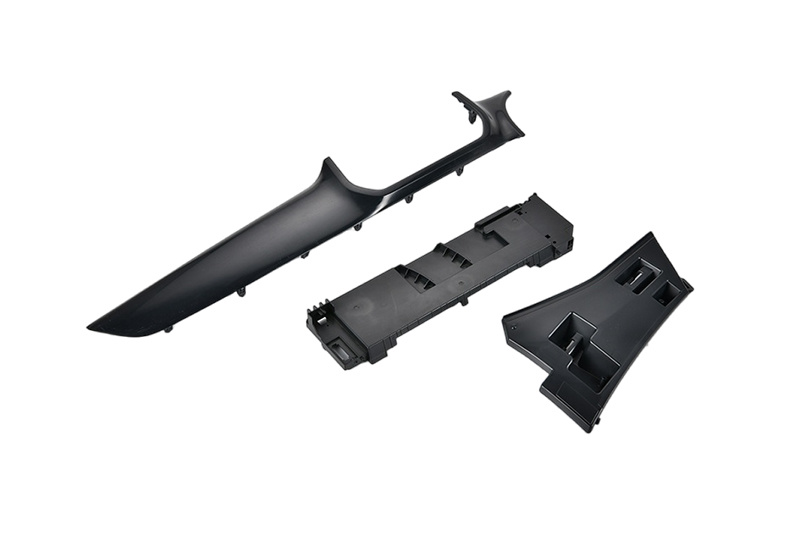
One of the key advantages of using plastic injection molds in vehicle trim manufacturing is the ability to create lightweight components. By utilizing advanced polymer materials, manufacturers can produce trims that are not only aesthetically pleasing but also contribute to the overall fuel efficiency of vehicles. This shift towards lightweight materials aligns with the industry's ongoing effort to reduce carbon emissions and enhance sustainability.
When designing plastic injection molds for vehicle trim, several factors need to be taken into account. The choice of material is paramount; it must meet specific requirements for durability, flexibility, and resistance to environmental factors such as UV exposure and temperature variations. Common materials include ABS, polypropylene, and polycarbonate, each offering distinct properties suited for different applications within vehicle trim.
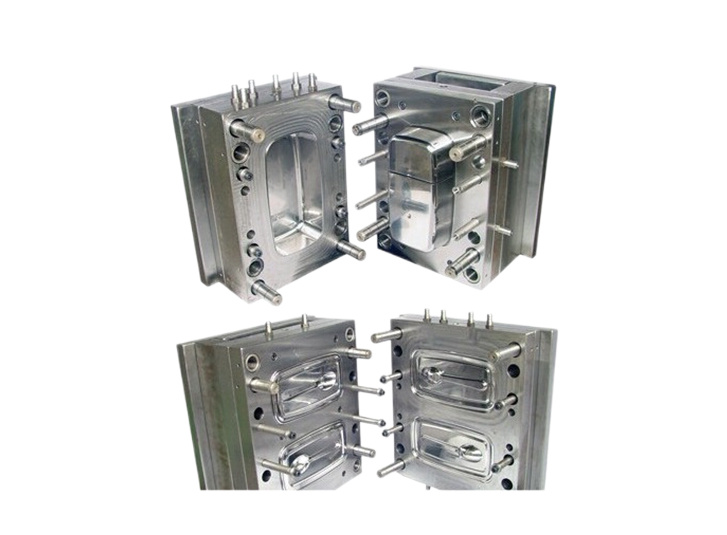
Another critical aspect is the mold design itself. Effective cooling channels must be integrated to ensure uniform temperature control during the injection process. This is essential for achieving high-quality finishes and minimizing production defects. Additionally, the use of advanced simulation software allows manufacturers to predict potential issues in the molding process, enabling them to make necessary adjustments before actual production begins.
Quality control is an integral part of using plastic injection molds for vehicle trim. Implementing robust inspection protocols throughout the production process ensures that each component meets the required specifications and standards. Techniques such as 3D scanning and automated inspection systems can provide real-time feedback, helping to identify any deviations early on.
Furthermore, collaboration with engineering teams during the design and prototyping phases can lead to innovative solutions that enhance both functionality and aesthetics. Incorporating feedback from multiple stakeholders, including designers and end-users, allows for the creation of vehicle trims that not only fulfill technical requirements but also resonate with consumer preferences.
In conclusion, the use of plastic injection molds for vehicle trim is a multifaceted process that requires careful consideration of material selection, mold design, and quality assurance practices. By embracing the latest technologies and methodologies, manufacturers can optimize their production processes, ultimately leading to superior products that meet the evolving demands of the automotive market. Understanding these principles will empower professionals in the manufacturing sector to enhance their capabilities and deliver exceptional vehicle trim components.
One of the key advantages of using plastic injection molds in vehicle trim manufacturing is the ability to create lightweight components. By utilizing advanced polymer materials, manufacturers can produce trims that are not only aesthetically pleasing but also contribute to the overall fuel efficiency of vehicles. This shift towards lightweight materials aligns with the industry's ongoing effort to reduce carbon emissions and enhance sustainability.
When designing plastic injection molds for vehicle trim, several factors need to be taken into account. The choice of material is paramount; it must meet specific requirements for durability, flexibility, and resistance to environmental factors such as UV exposure and temperature variations. Common materials include ABS, polypropylene, and polycarbonate, each offering distinct properties suited for different applications within vehicle trim.
Another critical aspect is the mold design itself. Effective cooling channels must be integrated to ensure uniform temperature control during the injection process. This is essential for achieving high-quality finishes and minimizing production defects. Additionally, the use of advanced simulation software allows manufacturers to predict potential issues in the molding process, enabling them to make necessary adjustments before actual production begins.
Quality control is an integral part of using plastic injection molds for vehicle trim. Implementing robust inspection protocols throughout the production process ensures that each component meets the required specifications and standards. Techniques such as 3D scanning and automated inspection systems can provide real-time feedback, helping to identify any deviations early on.
Furthermore, collaboration with engineering teams during the design and prototyping phases can lead to innovative solutions that enhance both functionality and aesthetics. Incorporating feedback from multiple stakeholders, including designers and end-users, allows for the creation of vehicle trims that not only fulfill technical requirements but also resonate with consumer preferences.
In conclusion, the use of plastic injection molds for vehicle trim is a multifaceted process that requires careful consideration of material selection, mold design, and quality assurance practices. By embracing the latest technologies and methodologies, manufacturers can optimize their production processes, ultimately leading to superior products that meet the evolving demands of the automotive market. Understanding these principles will empower professionals in the manufacturing sector to enhance their capabilities and deliver exceptional vehicle trim components.
Related news