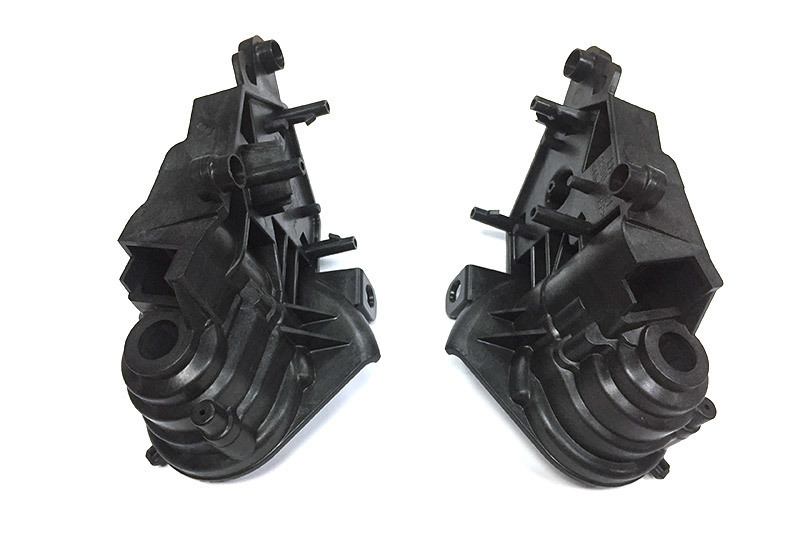
Injection Molding for Automation Shells: The Future of Precision Manufacturing
Injection molding is crucial for producing durable, high-precision automation shells used in industrial robots and systems.
2026-01-05
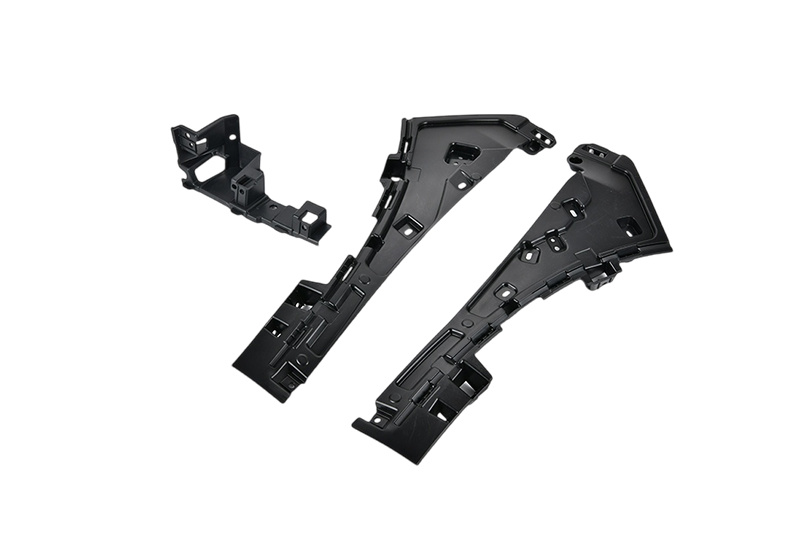
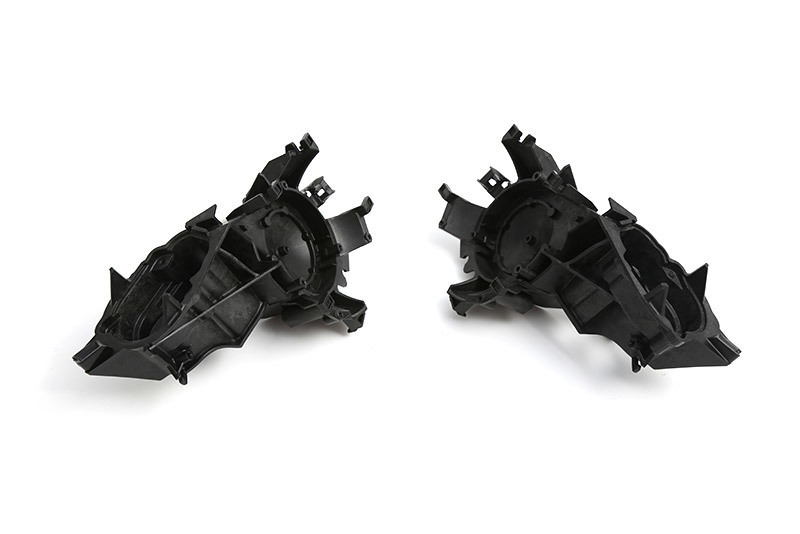
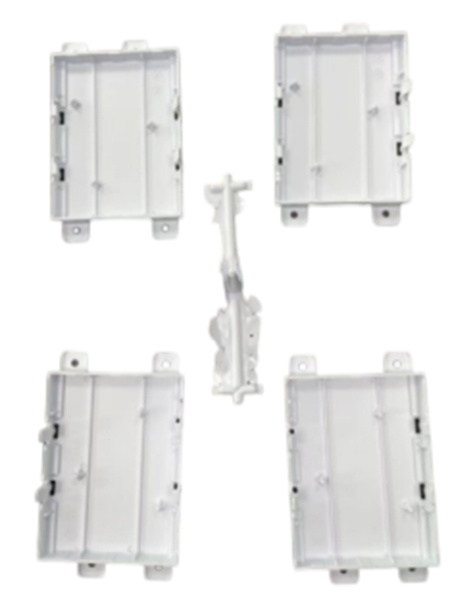
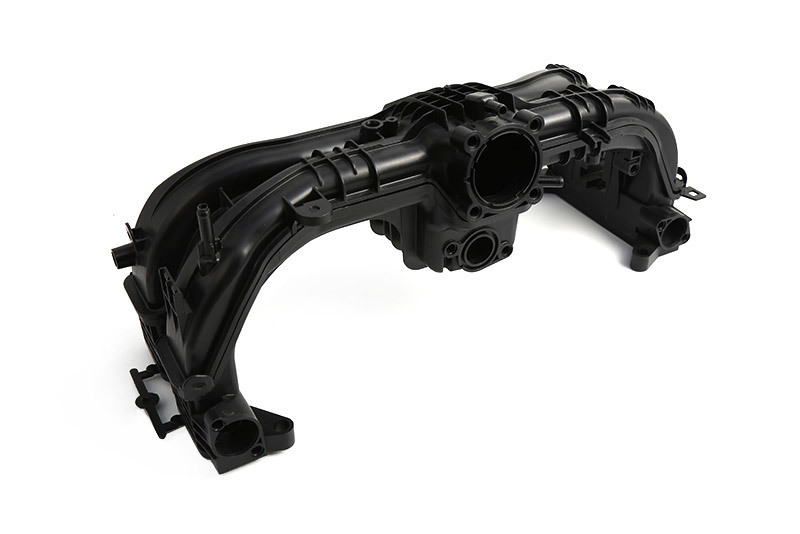
Injection molding is one of the most advanced manufacturing processes used to produce complex and high-quality parts in various industries. In the context of automation, injection molding has become increasingly critical, especially for producing automation shells—key components used in the automation industry. These shells serve as protective housings for electrical and mechanical parts in automated systems, ranging from industrial robots to automated production lines. With its precision and cost-efficiency, injection molding has become the go-to process for creating automation shells with high durability, functionality, and performance.
What Is Injection Molding for Automation Shells?
Injection molding is a manufacturing process where molten material, typically plastic, is injected under high pressure into a mold cavity. The material then cools and solidifies, taking the shape of the mold. This process is ideal for producing high-volume, complex parts with tight tolerances and excellent surface finishes. In the case of automation shells, injection molding is used to create protective housings for automation components such as sensors, controllers, and motors.
Automation shells need to meet several important criteria. They must be durable enough to protect sensitive components from external factors like dust, moisture, and physical damage, while also providing easy access for wiring and maintenance. Injection molding allows for the production of these shells with intricate details, multiple features like snap-fits or mounting points, and superior mechanical properties, all while keeping costs competitive for large-scale production.
The Role of Injection Molding in Automation
Injection molding plays a crucial role in the automation industry by enabling the mass production of high-quality, complex components at relatively low cost. Here are several reasons why injection molding is a preferred method for producing automation shells:
High Precision: Automation components require tight tolerances to ensure proper functionality and durability. Injection molding can achieve these precise measurements, ensuring that automation shells fit perfectly and provide optimal protection for internal components.
Durability: The materials used in injection molding, such as high-strength thermoplastics and engineering resins, are chosen for their ability to withstand harsh industrial environments. This makes them ideal for automation shells, which must endure factors like temperature fluctuations, vibrations, and exposure to chemicals.
Complex Geometry: Automation shells often feature intricate shapes with multiple access points, holes, and mounting locations for cables and components. Injection molding can easily accommodate these complex geometries, which would be difficult or costly to achieve with other manufacturing processes.
Cost-Effectiveness: Injection molding is highly efficient, especially for large production runs. Once the mold is created, it can produce thousands or even millions of identical parts, making it a cost-effective solution for companies producing large volumes of automation shells. The ability to use a variety of materials further enhances the cost benefits.
Material Flexibility: A wide range of materials can be used in injection molding, including ABS, polycarbonate, polypropylene, and specialized composites. These materials can be selected based on the specific needs of the automation system, such as heat resistance, impact strength, or electrical insulating properties.
Applications of Injection-Molded Automation Shells
Injection-molded automation shells are used across various industries, providing protective housing for components in automated systems. Some common applications include:
Industrial Robots: Automation shells are essential in protecting the internal electronics of industrial robots, including controllers, sensors, and actuators. These robots often operate in harsh environments, so the shells must protect against dust, moisture, and physical impacts while allowing for easy access for maintenance and repair.
Production Lines: In automated production lines, components like sensors, switches, and PLCs (programmable logic controllers) require protection from external factors. Injection-molded shells ensure that these critical parts are safeguarded, allowing the production line to run smoothly without interruptions.
Automated Warehousing Systems: In the rapidly growing field of automated warehousing and logistics, injection-molded shells protect components in robotic sorting and storage systems. These shells shield delicate electrical and mechanical parts while also providing a compact, efficient design.
Consumer Electronics: Many consumer electronic devices, such as smart home systems and personal assistants, feature automation components housed in injection-molded shells. These shells protect the internal circuits while maintaining a sleek, modern appearance.
Telecommunication Equipment: Telecom equipment, including routers, base stations, and other automated devices, require durable shells to ensure that internal components are safe from environmental stressors. Injection molding provides a solution for producing these robust and functional housings.
Advancements in Injection Molding Technology
As the demand for automation grows, the injection molding industry continues to innovate to meet the needs of precision manufacturing for automation components. Some notable advancements include:
3D Printing Integration: Manufacturers are now incorporating 3D printing into the injection molding process to create complex mold designs quickly and at a lower cost. This hybrid approach allows for faster prototyping and reduced time to market.
Multi-Material Injection Molding: New techniques allow for the injection of multiple materials in a single mold, enabling the production of shells with multiple properties, such as soft-touch surfaces, electrical conductivity, or enhanced impact resistance. This adds versatility and functionality to automation shells.
Advanced Mold Design: The development of more sophisticated mold designs allows for higher precision, faster production cycles, and reduced waste. Newer injection molding machines offer improved control over temperature, pressure, and speed, resulting in higher-quality automation shells.
Sustainability Efforts: As sustainability becomes a key concern, manufacturers are focusing on using recyclable and eco-friendly materials for injection molding. This includes bio-based plastics and recycled thermoplastics, helping to reduce the environmental impact of the production process.
Related news