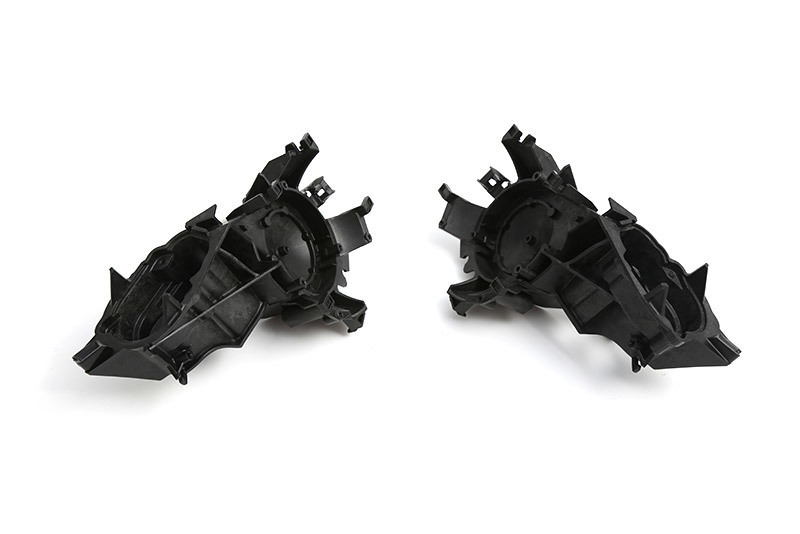
The Future of Automotive Molds: Enhancing Dashboard Pipe Performance
The Future of Automotive Molds: Enhancing Dashboard Pipe Performance Table of Contents 1. Introduction to Automotive Molds and Dashboard Pipe Performance 2. Current Trends in Automotive Mold Manufacturing 3. Innovative Materials for Enhanced Dashboard Pipe Performance 4. Advanced Manufacturing Processes: Precision and Efficiency 5. Design Optimization Techniques for Dashboard
2025-12-25
The Future of Automotive Molds: Enhancing Dashboard Pipe Performance
Table of Contents
- 1. Introduction to Automotive Molds and Dashboard Pipe Performance
- 2. Current Trends in Automotive Mold Manufacturing
- 3. Innovative Materials for Enhanced Dashboard Pipe Performance
- 4. Advanced Manufacturing Processes: Precision and Efficiency
- 5. Design Optimization Techniques for Dashboard Pipes
- 6. Sustainability in Automotive Molds: A Future Perspective
- 7. Case Studies: Successful Applications of Advanced Molds
- 8. The Future Outlook: What Lies Ahead for Automotive Molds
- 9. Frequently Asked Questions (FAQs)
- 10. Conclusion
1. Introduction to Automotive Molds and Dashboard Pipe Performance
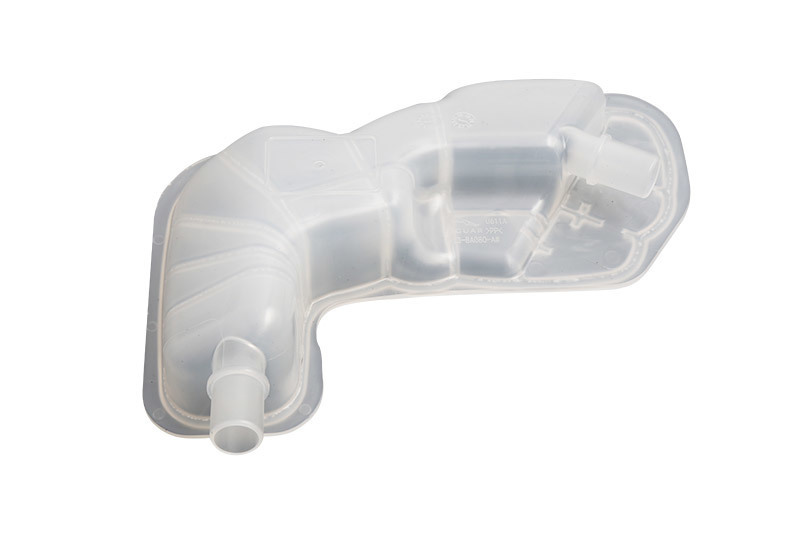
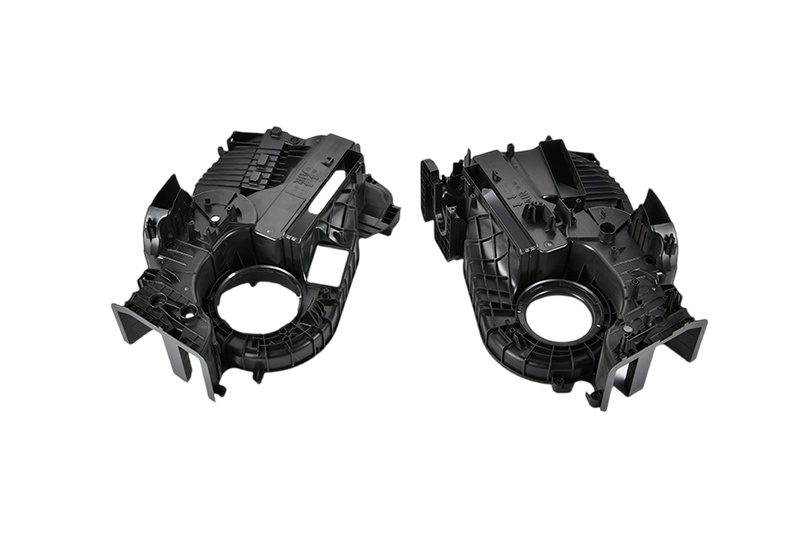
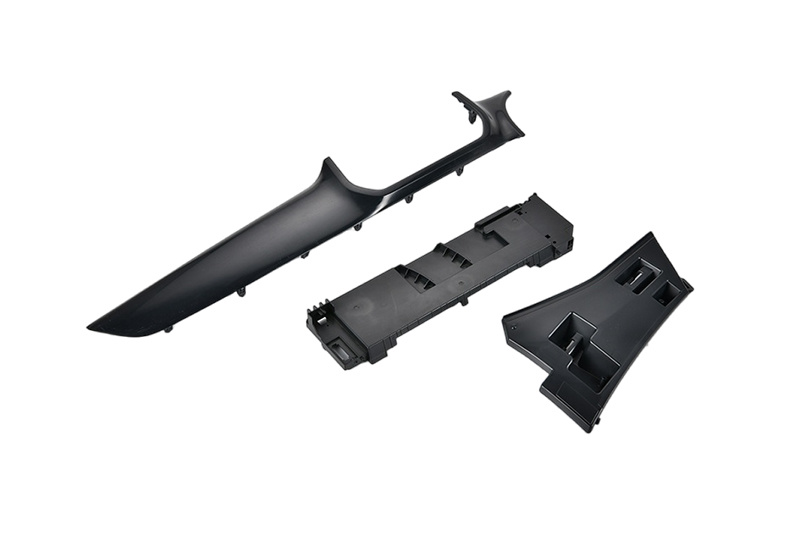
The automotive industry is undergoing a significant transformation, predominantly influenced by technological advancements and changing consumer demands. At the heart of this evolution lies the essential component of automotive molds, particularly those used for dashboard pipes. **Dashboard pipes** are integral for both functional and aesthetic aspects of vehicle interiors, influencing factors such as safety, comfort, and design appeal.
In our exploration of the future of automotive molds, we will focus on how these molds enhance dashboard pipe performance, ensuring they meet modern standards and consumer expectations. The increasing complexity of vehicle designs necessitates innovative mold solutions that not only improve performance but also support sustainability and efficiency in production.
2. Current Trends in Automotive Mold Manufacturing
Keeping up with the trends in automotive mold manufacturing is crucial for industry stakeholders. Among the notable trends are:
2.1 Integration of Smart Technology
The incorporation of **smart technology** into the mold manufacturing process allows for real-time monitoring and adjustments. Sensors embedded within molds can collect data on temperature, pressure, and material flow, leading to improved quality control.
2.2 Customization Through Additive Manufacturing
Additive manufacturing, or 3D printing, enables customization of molds. This technology allows manufacturers to create complex geometries that traditional methods may struggle to achieve. Custom molds can lead to better-fitting dashboard pipes, enhancing performance and aesthetics.
2.3 Increased Use of Automation
The rise of automation in manufacturing processes contributes to reduced labor costs and increased efficiency. Automated systems can produce molds faster and with greater precision, ensuring a consistent quality of dashboard components.
3. Innovative Materials for Enhanced Dashboard Pipe Performance
The choice of materials plays a crucial role in the performance of dashboard pipes, influencing durability, weight, and safety.
3.1 Thermoplastics: Versatility in Design
Thermoplastics are increasingly popular due to their versatility and ease of processing. Materials like **ABS (Acrylonitrile Butadiene Styrene)** offer a balance of strength, rigidity, and impact resistance, making them ideal for dashboard applications.
3.2 Composites: Strength and Lightweight Properties
Composite materials, especially those reinforced with carbon fibers, provide superior strength-to-weight ratios. These materials not only enhance performance but also contribute to fuel efficiency by reducing overall vehicle weight.
3.3 Bio-based Materials: A Sustainable Choice
The automotive industry is shifting towards **bio-based materials** as part of its sustainability initiatives. These materials, derived from renewable resources, can reduce the carbon footprint of manufacturing processes while maintaining performance standards.
4. Advanced Manufacturing Processes: Precision and Efficiency
Modern manufacturing processes are essential for achieving high-quality automotive molds.
4.1 Injection Molding: The Gold Standard
**Injection molding** remains the primary method for producing dashboard pipes due to its efficiency and scalability. This process allows for rapid production of parts with intricate designs, ensuring consistency across batches.
4.2 Compression Molding: Ideal for Composites
For composite materials, **compression molding** is often utilized. This method can produce complex shapes while ensuring strong material bonding, which is critical for performance.
4.3 CNC Machining: Precision Engineering
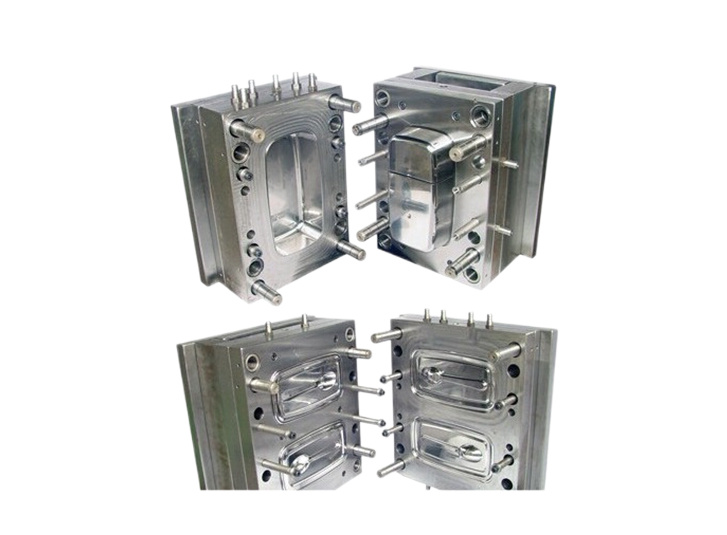
**CNC (Computer Numerical Control) machining** offers unparalleled precision in mold making. This process allows for intricate details and tight tolerances, ensuring that dashboard pipes fit perfectly within vehicle interiors.
5. Design Optimization Techniques for Dashboard Pipes
Optimizing the design of dashboard pipes is crucial for enhancing performance and functionality.
5.1 Finite Element Analysis (FEA)
**Finite Element Analysis** is a powerful tool used in the design phase to simulate how dashboard pipes will perform under various conditions. This analysis helps engineers identify weak points and optimize the design before manufacturing.
5.2 Topology Optimization
**Topology optimization** involves adjusting the material layout within a given design space. This technique results in lighter and stronger components, which is particularly beneficial for dashboard pipes that require durability without excess weight.
5.3 Ergonomic Design Considerations
Incorporating **ergonomic design** principles ensures that dashboard pipes are not only functional but also user-friendly. This involves considering aspects such as reachability and comfort for the driver and passengers.
6. Sustainability in Automotive Molds: A Future Perspective
Sustainability is a focal point in the automotive industry's future, influencing mold design and manufacturing.
6.1 Reducing Waste in the Manufacturing Process
Effective strategies for waste reduction, such as optimizing the material used in molds, can significantly lower the environmental impact. Techniques such as **recycling scrap materials** and utilizing efficient cutting methods can contribute to sustainable practices.
6.2 Lifecycle Assessment (LCA) of Automotive Molds
Conducting a **Lifecycle Assessment** helps manufacturers evaluate the environmental impacts of automotive molds from production to disposal. This assessment informs decisions aimed at reducing the overall carbon footprint.
6.3 Adoption of Circular Economy Principles
Embracing a **circular economy** approach encourages manufacturers to design molds for longevity and reusability. This shift not only benefits the environment but also opens new business opportunities in the automotive sector.
7. Case Studies: Successful Applications of Advanced Molds
Examining real-world applications can provide insights into the effectiveness of modern mold technologies.
7.1 Case Study: Leading Automotive Manufacturer
A leading automotive manufacturer implemented advanced injection molding techniques to produce dashboard pipes with enhanced impact resistance. By utilizing a combination of thermoplastics and composite materials, they achieved a significant reduction in weight while maintaining safety standards.
7.2 Case Study: Start-Up Innovations
A start-up focused on sustainable automotive solutions developed biodegradable dashboard pipes using bio-based materials. Their innovative approach garnered attention and demonstrated the potential for eco-friendly alternatives in the industry.
8. The Future Outlook: What Lies Ahead for Automotive Molds
Looking to the future, automotive mold technology is set to evolve dramatically.
8.1 The Role of Artificial Intelligence
**Artificial Intelligence (AI)** will play a pivotal role in mold design and manufacturing, enabling predictive maintenance and optimizing production schedules based on real-time data analytics.
8.2 Advancements in Material Science
Continued advancements in **material science** will likely yield new composites and polymers that enhance performance while being environmentally friendly. These innovations will support the industry's shift towards sustainability.
8.3 Collaborations and Industry Partnerships
Joint ventures among manufacturers, material suppliers, and technology developers will foster innovation and drive progress in automotive mold technologies. Collaborative efforts can lead to breakthrough solutions that enhance dashboard pipe performance.
9. Frequently Asked Questions (FAQs)
9.1 What materials are commonly used in automotive dashboard pipes?
Common materials include thermoplastics such as ABS and composites reinforced with fiberglass or carbon fiber for added strength and lightweight properties.
9.2 How does advanced manufacturing improve dashboard pipe performance?
Advanced manufacturing techniques, such as injection molding and CNC machining, enhance precision, reduce defects, and allow for complex designs that can improve overall performance.
9.3 What role does sustainability play in automotive mold manufacturing?
Sustainability is increasingly important, with manufacturers focusing on reducing waste, utilizing recyclable materials, and adopting eco-friendly practices to minimize their environmental impact.
9.4 How can design optimization techniques benefit dashboard pipes?
Design optimization techniques like FEA and topology optimization ensure that dashboard pipes are strong, lightweight, and ergonomically designed for user comfort.
9.5 What is the future of automotive molds?
The future of automotive molds includes advancements in AI, new material innovations, and collaborative efforts among industry players to drive efficiency and sustainability in mold manufacturing.
10. Conclusion
As we look toward the future of automotive molds and the enhancement of dashboard pipe performance, it is evident that innovation will be at the forefront of this industry. By embracing new materials, advanced manufacturing processes, and sustainable practices, manufacturers can deliver high-quality dashboard pipes that meet the evolving demands of consumers. The integration of smart technology and design optimization will further bolster performance, ensuring that automotive molds continue to play a vital role in the automotive sector. The collaborative efforts and focus on sustainability will not only improve product quality but also pave the way for a more sustainable future in automotive design and manufacturing.
Related news