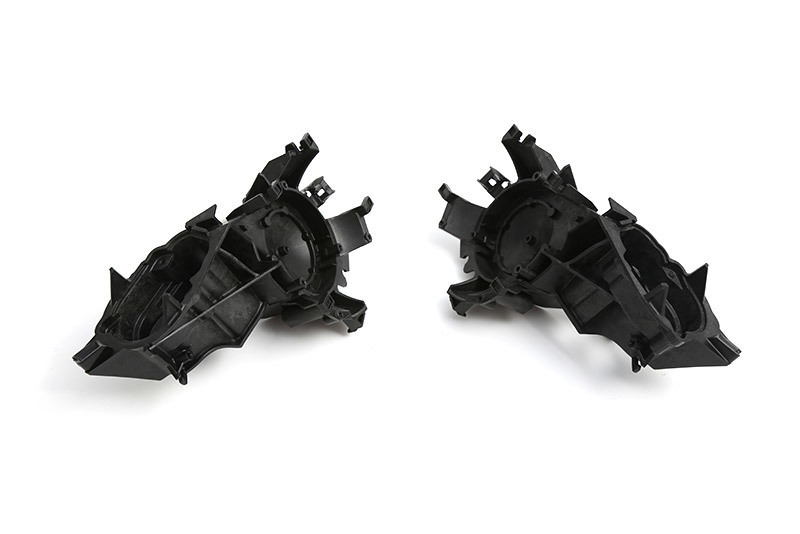
The Science Behind IML Technology for Superior Plastic Injection Parts
The Science Behind IML Technology for Superior Plastic Injection Parts Table of Contents 1. What is IML Technology? 2. A Brief History of IML in Plastic Manufacturing 3. How IML Technology Works 4. Advantages of IML Technology in Plastic Injection Molding 5. Applications of IML Technology in Various Industries 6. Challenges and Solutions in Implementing IML Technology
2026-01-10
The Science Behind IML Technology for Superior Plastic Injection Parts
Table of Contents
- 1. What is IML Technology?
- 2. A Brief History of IML in Plastic Manufacturing
- 3. How IML Technology Works
- 4. Advantages of IML Technology in Plastic Injection Molding
- 5. Applications of IML Technology in Various Industries
- 6. Challenges and Solutions in Implementing IML Technology
- 7. The Future of IML Technology
- 8. FAQs About IML Technology
- 9. Conclusion
1. What is IML Technology?
In-Mold Labeling (IML) technology is a sophisticated manufacturing technique that integrates labels directly into plastic injection molded products during the molding process. This method not only enhances the product's aesthetics but also offers a myriad of functional advantages that traditional labeling methods cannot match. By embedding the label into the mold, manufacturers can achieve superior adhesion, durability, and graphics quality, significantly elevating the overall product value.
2. A Brief History of IML in Plastic Manufacturing
IML technology emerged in the late 20th century as a response to the growing demand for more efficient and sustainable packaging solutions. Initially used in Europe, it quickly gained traction globally as industries recognized the benefits of combining decoration and functionality. Early adopters in the food and beverage sectors paved the way for IML's expansion into various applications, such as household goods and personal care products.
3. How IML Technology Works
The IML process begins with the preparation of plastic molds. Once the mold is ready, pre-printed labels are placed inside the mold cavity. When the molten plastic is injected, it envelops the label, adhering it firmly to the product as it cools and solidifies. This process involves several key steps:
3.1 Material Selection
Choosing the right materials is crucial in the IML process. Typically, polypropylene (PP) and polyethylene terephthalate (PET) are preferred due to their compatibility with various inks and adhesives. The choice of material impacts the final product's clarity, strength, and resistance to environmental factors.
3.2 Mold Design and Label Preparation
The mold design should accommodate the specific label size and shape, ensuring a perfect fit. Labels must be printed with high-quality inks to withstand the injection process and maintain vibrant colors. Advanced printing technologies, such as flexography or digital printing, are often employed to achieve the desired results.
3.3 Injection Molding Process
During injection molding, the prepared molds are heated to the appropriate temperature for the plastic material. The molten plastic is injected into the mold, encapsulating the label. Cooling occurs rapidly, allowing for quick production cycles and reduced energy consumption.
4. Advantages of IML Technology in Plastic Injection Molding
IML technology offers several notable advantages that make it a preferred choice in the manufacturing of plastic injection parts.
4.1 Enhanced Aesthetics
IML provides an unparalleled opportunity for vibrant and complex graphics that can be printed directly onto the product. This results in enhanced shelf appeal, making products more attractive to consumers.
4.2 Increased Durability
Since the label is encapsulated within the plastic, it is protected from scratches, fading, and moisture. This leads to longer-lasting products that maintain their visual appeal throughout their lifecycle.
4.3 Streamlined Manufacturing Processes
The IML process combines labeling and molding into a single operation, significantly reducing production times and labor costs. Fewer post-production steps mean less handling and a lower risk of damage.
4.4 Environmental Benefits
IML technology can reduce waste associated with traditional labeling methods, as it eliminates the need for adhesives and secondary labeling processes. Additionally, the materials used are often recyclable, contributing to a more sustainable manufacturing practice.
4.5 Versatility in Applications
IML can be utilized across a wide range of products, from food containers to cosmetic packaging, making it a versatile choice for various industries.
5. Applications of IML Technology in Various Industries
IML technology is transforming numerous sectors with its innovative solutions. Here are some areas where IML is making significant strides:
5.1 Food and Beverage Packaging
In the food industry, IML provides a hygienic and visually appealing option. Containers for yogurt, butter, and ready-to-eat meals benefit from IML's durability and aesthetic qualities, appealing to consumers and enhancing brand recognition.
5.2 Household Products
Containers for cleaning supplies, laundry detergents, and personal care products are increasingly adopting IML technology. The robust labeling ensures that branding remains intact, even in harsh conditions.
5.3 Consumer Electronics
IML is also seeing use in consumer electronics, where intricate designs and branding are essential. The technology allows for customization and branding that remain intact through the product's life.
5.4 Automotive Parts
In the automotive sector, IML technology is employed for interior and exterior parts, offering a combination of functionality and aesthetics that meets the industry's demanding standards.
6. Challenges and Solutions in Implementing IML Technology
While IML technology presents numerous benefits, it also comes with challenges that manufacturers must navigate effectively.
6.1 Equipment Costs
The initial investment in IML machinery can be significant. However, the long-term savings in labor and increased production efficiency often justify the upfront costs.
6.2 Material Compatibility
Not all materials are suitable for IML processes. Manufacturers must conduct thorough testing to ensure that the chosen materials will bond effectively during molding.
6.3 Production Complexity
Integrating IML into existing production lines can pose logistical challenges. Proper training and process adjustments are necessary to fully realize the benefits of IML technology.
7. The Future of IML Technology
The future of IML technology looks bright, with ongoing advancements enhancing its capabilities. Innovations in printing technology, material science, and automation are set to expand the scope of IML applications. As industries continue to prioritize sustainability, IML's environmentally friendly aspects will likely drive further adoption.
8. FAQs About IML Technology
8.1 What materials are typically used in IML technology?
Commonly used materials include polypropylene (PP) and polyethylene terephthalate (PET) due to their compatibility with printing and molding processes.
8.2 How does IML improve the durability of plastic products?
IML labels are encapsulated within the plastic, protecting them from scratches, fading, and moisture, leading to longer-lasting products.
8.3 Can IML technology be used for complex shapes and designs?
Yes, IML technology is highly versatile and can accommodate complex shapes, providing manufacturers with creative freedom in product design.
8.4 Is IML technology cost-effective for small production runs?
While IML technology may have higher initial costs, its efficiency and reduced labor needs make it an attractive option even for smaller production runs.
8.5 How does IML contribute to environmental sustainability?
IML reduces waste, eliminates the need for adhesives, and often employs recyclable materials, making it a more sustainable choice compared to traditional labeling methods.
9. Conclusion
In-Mold Labeling (IML) technology stands at the forefront of innovation in the plastic manufacturing industry. By combining aesthetic appeal with enhanced durability and efficiency, IML has transformed the production of plastic injection parts across various sectors. As manufacturers continue to embrace this technology, its potential for sustainability and versatility will only grow, making it a crucial component in the future of plastic manufacturing.
Related news