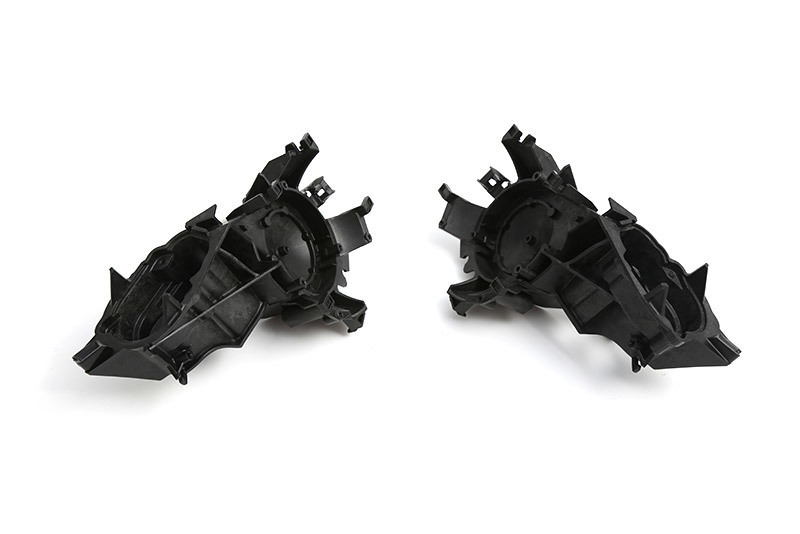
Key Benefits of Using Injection Molds in Auto Dashboard Production
Key Benefits of Using Injection Molds in Auto Dashboard Production Introduction to Injection Molding in Automotive Manufacturing Injection molding has emerged as a leading production technique in the automotive industry, particularly in the manufacturing of complex components such as dashboards. This advanced technology allows manufacturers to create intricate designs with high precision and e
2026-01-02
Key Benefits of Using Injection Molds in Auto Dashboard Production
Introduction to Injection Molding in Automotive Manufacturing
Injection molding has emerged as a leading production technique in the automotive industry, particularly in the manufacturing of complex components such as dashboards. This advanced technology allows manufacturers to create intricate designs with high precision and efficiency. As the automotive sector continues to evolve, understanding the key benefits of using injection molds for dashboard production becomes essential for industry professionals and decision-makers.
The Role of Injection Molding in Auto Dashboard Production
Dashboards serve as the command center of modern vehicles, integrating essential controls, displays, and infotainment systems. The production of these components demands high standards of quality and durability, which injection molding readily provides. By leveraging this technology, manufacturers can produce dashboards that not only meet aesthetic requirements but also enhance functionality and user experience.
Cost Efficiency: Reducing Production Expenses
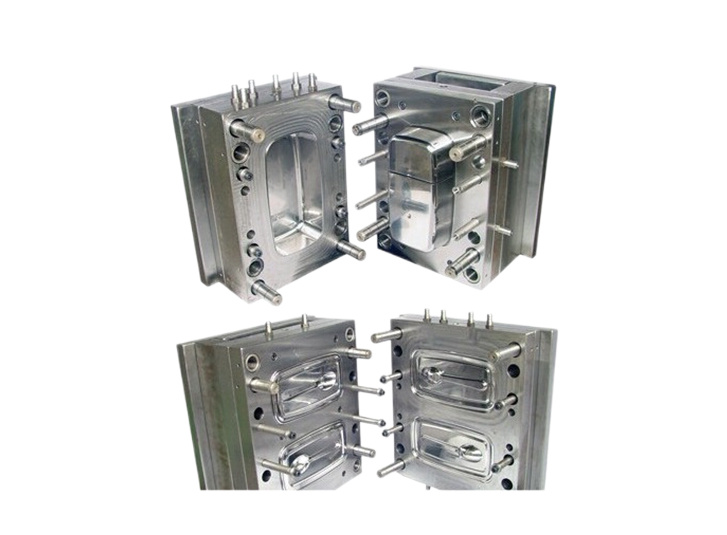
One of the most compelling benefits of using injection molds in auto dashboard production is cost efficiency. The initial investment in injection molding equipment can be substantial; however, the long-term savings are significant. Here are a few ways injection molding reduces production costs:
- **Mass Production**: Injection molding allows for the rapid production of large quantities of parts without sacrificing quality. This scalability ensures that manufacturers can meet high demand while minimizing costs per unit.
- **Material Utilization**: The process generates minimal waste, as the exact amount of plastic is injected into the mold. This efficiency not only lowers material costs but also supports sustainable manufacturing practices.
- **Reduced Labor Costs**: Automation plays a crucial role in injection molding. Machines can operate continuously with minimal human intervention, allowing labor costs to decrease significantly.
Precision and Consistency: Achieving High Quality
Precision is paramount in automotive manufacturing, and injection molding excels in delivering high-quality components. The intricacies of dashboard designs require precise measurements, which injection molds can consistently achieve. Key advantages include:
- **Tight Tolerances**: Injection molding can produce parts with tight tolerances, ensuring that each dashboard fits perfectly within the vehicle's interior.
- **Surface Finish**: The ability to create smooth surfaces reduces the need for additional finishing processes, further enhancing production efficiency.
- **Repeatability**: Once a mold is designed and tested, it can produce identical parts repeatedly, ensuring quality consistency across production runs.
Design Flexibility: Customization and Innovation
Design flexibility is crucial in the automotive industry, where aesthetics and functionality must align. Injection molding offers remarkable design capabilities that allow for innovative dashboard concepts. Benefits include:
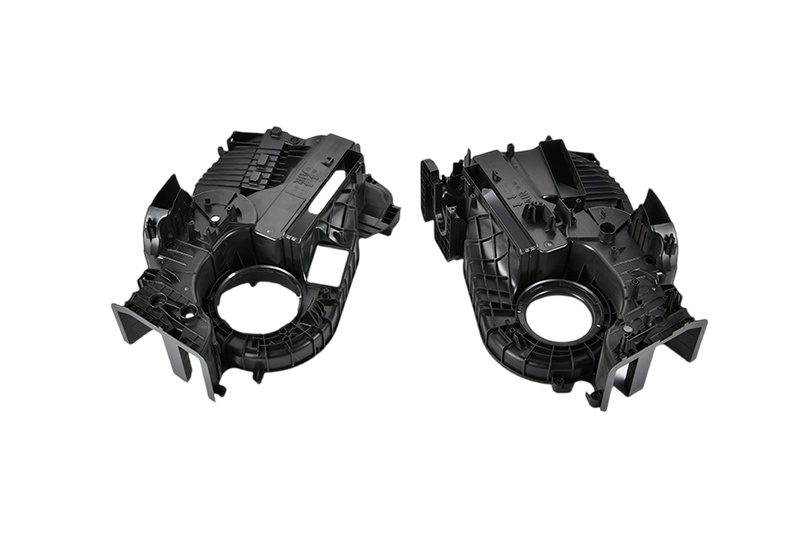
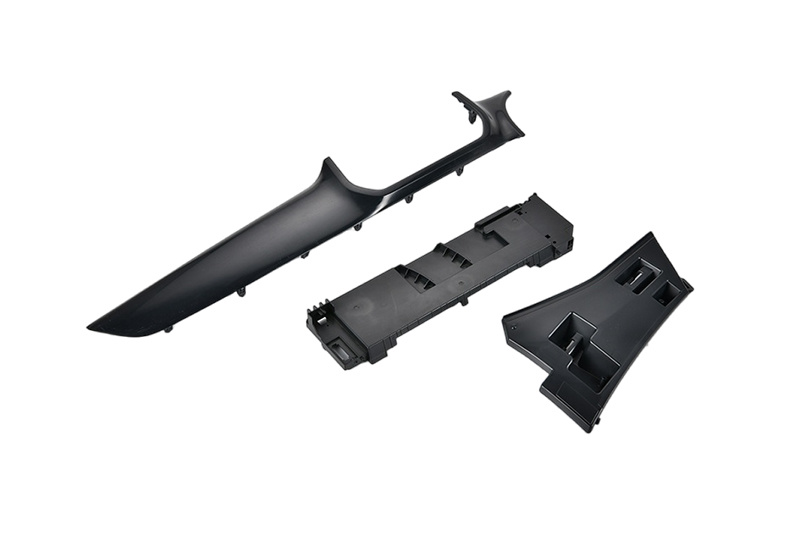
- **Complex Geometries**: The technology enables the creation of intricate designs and features that would be difficult or impossible to achieve using traditional manufacturing methods.
- **Multiple Materials**: Different plastics can be used in the same mold, allowing for the integration of various textures and colors to meet specific design requirements.
- **Rapid Prototyping**: Injection molding facilitates the quick production of prototypes, enabling designers to test and iterate on new dashboard concepts swiftly.
Sustainability: Eco-Friendly Manufacturing Practices
As environmental concerns gain prominence, the automotive industry is increasingly prioritizing sustainable manufacturing methods. Injection molding supports these initiatives through various means:
- **Material Efficiency**: The precision of injection molding minimizes waste, allowing manufacturers to use materials more efficiently. Additionally, many plastics used in injection molding are recyclable.
- **Lower Energy Consumption**: Compared to other manufacturing processes, injection molding often requires less energy, contributing to a reduced carbon footprint.
- **Sustainable Materials**: The industry has seen a rise in the use of bio-based and recycled plastics in injection molding, further enhancing sustainability efforts.
Enhanced Safety Features: Meeting Regulatory Standards
In the automotive industry, safety is non-negotiable. Dashboards must meet stringent safety regulations while providing an ergonomic experience for passengers. Injection molding aids in this objective by:
- **Impact Resistance**: The materials used in injection molded dashboards can be engineered to withstand impacts, enhancing passenger safety during accidents.
- **Integration of Safety Technology**: The flexibility of injection molding allows for the seamless incorporation of safety technologies, such as airbags and crash sensors, into dashboard designs.
Innovative Technologies in Injection Molding
Recent advancements in injection molding technology have further enhanced its capabilities in auto dashboard production. These innovations include the following:
- **3D Printing Integration**: Designers are now able to use 3D printing to create complex mold designs, significantly reducing lead times while allowing for rapid iterations.
- **Smart Manufacturing**: The integration of IoT (Internet of Things) in injection molding machines enhances monitoring and control, optimizing production processes and reducing downtime.
- **Advanced Materials**: The development of new polymer blends offers improved performance characteristics, such as increased strength and reduced weight, making dashboards more efficient.
Challenges in Injection Molding for Auto Dashboard Production
While the benefits of injection molding are substantial, it is important to consider potential challenges associated with this manufacturing process:
- **Initial Setup Costs**: The design and manufacturing of molds can be expensive and time-consuming, requiring significant upfront investment.
- **Maintenance**: Molds require regular maintenance to ensure they produce high-quality parts consistently.
- **Material Limitations**: Not all plastics are suitable for injection molding, which may limit design options.
Future Trends in Injection Molding for Automotive Dashboards
As technology continues to evolve, several trends are shaping the future of injection molding in auto dashboard production:
- **Smart Materials**: The development of smart materials that can change properties in response to environmental factors will likely influence dashboard design and functionality.
- **Increased Automation**: Automation will continue to play a pivotal role in improving efficiency and reducing labor costs in injection molding.
- **Focus on Sustainability**: The push for sustainable manufacturing will drive the adoption of eco-friendly materials and processes in injection molding.
Frequently Asked Questions (FAQs)
1. What are the main advantages of injection molding for auto dashboards?
Injection molding offers cost efficiency, precision, design flexibility, and sustainability, making it a preferred choice for auto dashboard production.
2. How does injection molding ensure high-quality production?
The process allows for tight tolerances and consistent production of identical parts, reducing quality variation in automotive components.
3. Can injection molding accommodate complex designs?
Yes, injection molding is capable of producing intricate and complex geometries that enhance the functionality and aesthetics of dashboards.
4. Are there environmental benefits to using injection molding?
Injection molding minimizes waste and energy consumption and supports the use of recyclable and bio-based materials, contributing to sustainable manufacturing practices.
5. What are the future trends in injection molding for auto dashboards?
Future trends include the use of smart materials, increased automation, and a continued focus on sustainable manufacturing processes.
Conclusion
In summary, the adoption of injection molding technology in auto dashboard production presents numerous benefits that enhance efficiency, quality, and sustainability. Its ability to produce high volumes of precision parts while accommodating innovative designs positions it as a cornerstone of modern automotive manufacturing. As the industry continues to evolve, leveraging the advantages of injection molding will be essential for manufacturers seeking to maintain a competitive edge, meet consumer demands, and embrace sustainable practices. Investing in this technology not only paves the way for improved automotive components but also contributes to the overall advancement of the automotive industry.
Related news