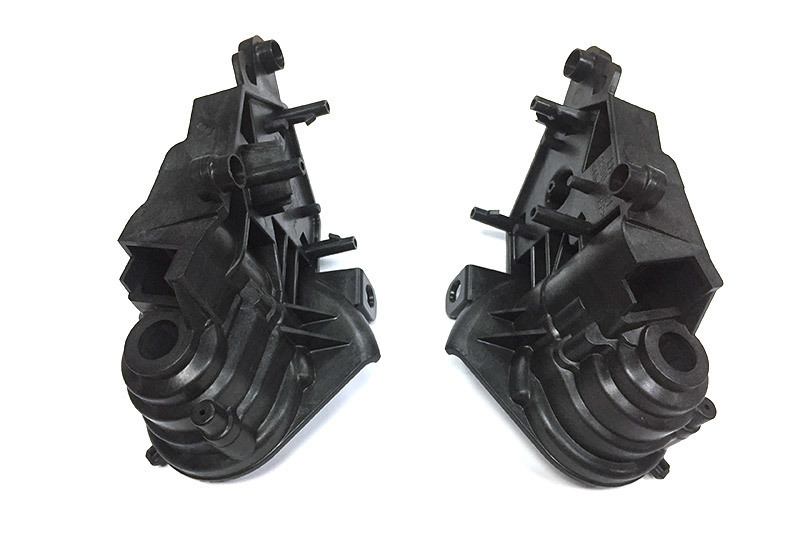
Understanding Plastic Injection Molding for Vehicle Trim: Key Insights and Best Practices
Plastic injection molding is a highly efficient manufacturing process that plays a vital role in producing high-quality components for vehicle trim. This method allows manufacturers to create complex shapes and designs that are essential for automotive interiors and exteriors. Understanding the nuances of plastic injection molding for vehicle trim can significantly impact the overall quality, perf
2026-01-22
Plastic injection molding is a highly efficient manufacturing process that plays a vital role in producing high-quality components for vehicle trim. This method allows manufacturers to create complex shapes and designs that are essential for automotive interiors and exteriors. Understanding the nuances of plastic injection molding for vehicle trim can significantly impact the overall quality, performance, and aesthetics of the finished product.
The process begins with the selection of appropriate thermoplastic materials, which must meet specific criteria, including durability, temperature resistance, and aesthetic appeal. Common materials used include ABS, polypropylene, and polycarbonate, each chosen for their unique properties that align with the functional requirements of vehicle trim. The careful selection of materials not only influences the mold design but also affects the final product's performance and longevity.
Designing an effective injection mold is crucial in ensuring optimal production efficiency and part quality. The mold must accommodate the precise dimensions and features of the trim components while allowing for efficient material flow. Factors such as wall thickness, draft angles, and gate locations need to be meticulously planned to prevent defects like warping, sink marks, and short shots during the injection process.
Another important consideration is the cooling phase of the injection molding process. Proper cooling can significantly reduce cycle times and ensure consistent part quality. Engineers must consider the placement of cooling channels within the mold to facilitate even temperature distribution, thus preventing issues that could arise from uneven cooling, such as dimensional instability.
Moreover, the production of vehicle trim requires attention to surface finish and aesthetic qualities. The end appearance of the trim can be enhanced through secondary processes such as painting, coating, or texturing, which can also contribute to the durability of the part. Manufacturers need to collaborate closely with designers to ensure that all aesthetic and functional requirements are met.
In summary, plastic injection molding for vehicle trim is a complex but rewarding process that necessitates careful consideration of material selection, mold design, cooling strategies, and finishing techniques. By understanding these critical elements, manufacturers can enhance their production capabilities and deliver high-quality vehicle trim components that meet the standards of modern automotive design. Whether you are a seasoned professional or new to the field, embracing these best practices will enable you to navigate the challenges of plastic injection molding effectively.
The process begins with the selection of appropriate thermoplastic materials, which must meet specific criteria, including durability, temperature resistance, and aesthetic appeal. Common materials used include ABS, polypropylene, and polycarbonate, each chosen for their unique properties that align with the functional requirements of vehicle trim. The careful selection of materials not only influences the mold design but also affects the final product's performance and longevity.
Designing an effective injection mold is crucial in ensuring optimal production efficiency and part quality. The mold must accommodate the precise dimensions and features of the trim components while allowing for efficient material flow. Factors such as wall thickness, draft angles, and gate locations need to be meticulously planned to prevent defects like warping, sink marks, and short shots during the injection process.
Another important consideration is the cooling phase of the injection molding process. Proper cooling can significantly reduce cycle times and ensure consistent part quality. Engineers must consider the placement of cooling channels within the mold to facilitate even temperature distribution, thus preventing issues that could arise from uneven cooling, such as dimensional instability.
Moreover, the production of vehicle trim requires attention to surface finish and aesthetic qualities. The end appearance of the trim can be enhanced through secondary processes such as painting, coating, or texturing, which can also contribute to the durability of the part. Manufacturers need to collaborate closely with designers to ensure that all aesthetic and functional requirements are met.
In summary, plastic injection molding for vehicle trim is a complex but rewarding process that necessitates careful consideration of material selection, mold design, cooling strategies, and finishing techniques. By understanding these critical elements, manufacturers can enhance their production capabilities and deliver high-quality vehicle trim components that meet the standards of modern automotive design. Whether you are a seasoned professional or new to the field, embracing these best practices will enable you to navigate the challenges of plastic injection molding effectively.
Related news