From Concept to Creation: The Journey of Automotive Molds for Dashboard Pipes
From Concept to Creation: The Journey of Automotive Molds for Dashboard Pipes Table of Contents 1. Introduction to Automotive Molds 2. Understanding Dashboard Pipes in Automotive Design 3. Conceptualization: The First Step in Mold Design 4. Material Selection for Automotive Molds 5. The Design Process: CAD and Prototyping 6. Manufacturing Techniques for Molds 7. Qualit
2026-03-31
From Concept to Creation: The Journey of Automotive Molds for Dashboard Pipes
Table of Contents
- 1. Introduction to Automotive Molds
- 2. Understanding Dashboard Pipes in Automotive Design
- 3. Conceptualization: The First Step in Mold Design
- 4. Material Selection for Automotive Molds
- 5. The Design Process: CAD and Prototyping
- 6. Manufacturing Techniques for Molds
- 7. Quality Assurance in Mold Production
- 8. Sustainability in Automotive Mold Production
- 9. Future Trends in Automotive Mold Technology
- 10. Conclusion
- 11. FAQs
1. Introduction to Automotive Molds
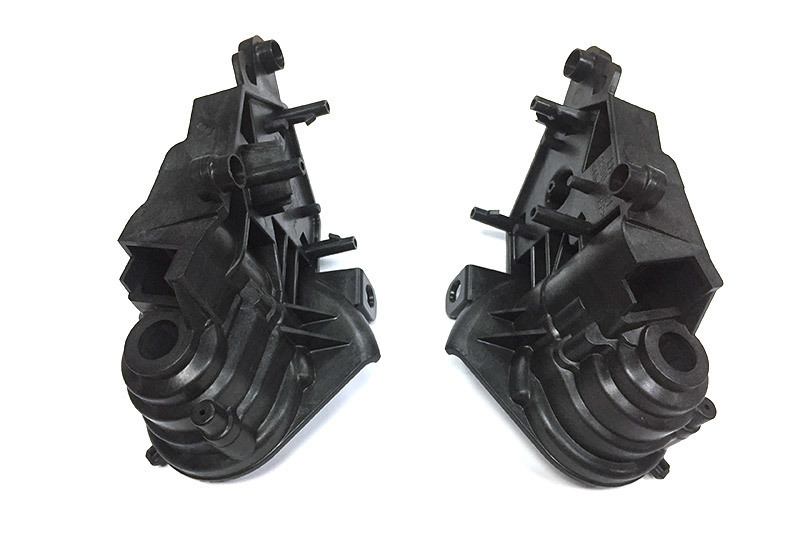
The automotive industry is characterized by its relentless pursuit of innovation and efficiency. One critical aspect of this industry is the production of automotive molds, particularly for components like dashboard pipes. These molds are essential for achieving the precision and quality required in modern vehicles. As we embark on the journey from concept to creation, we will explore the various stages involved in developing automotive molds specifically designed for dashboard pipes.
2. Understanding Dashboard Pipes in Automotive Design
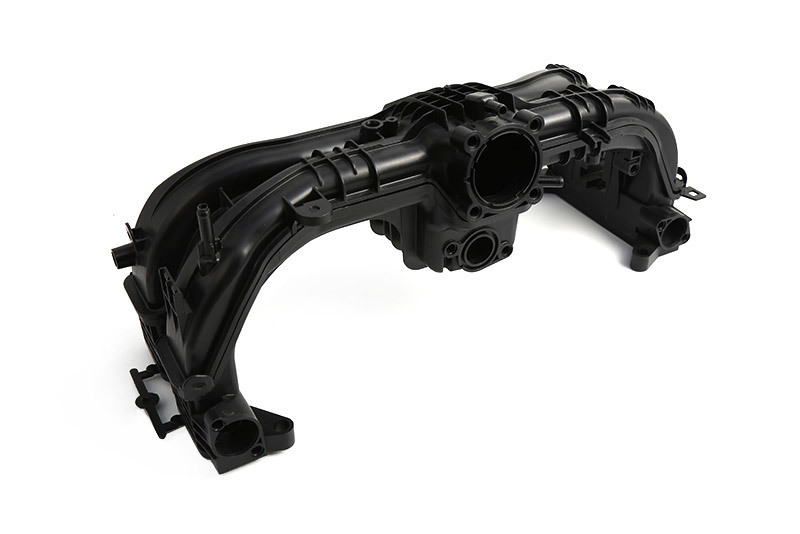
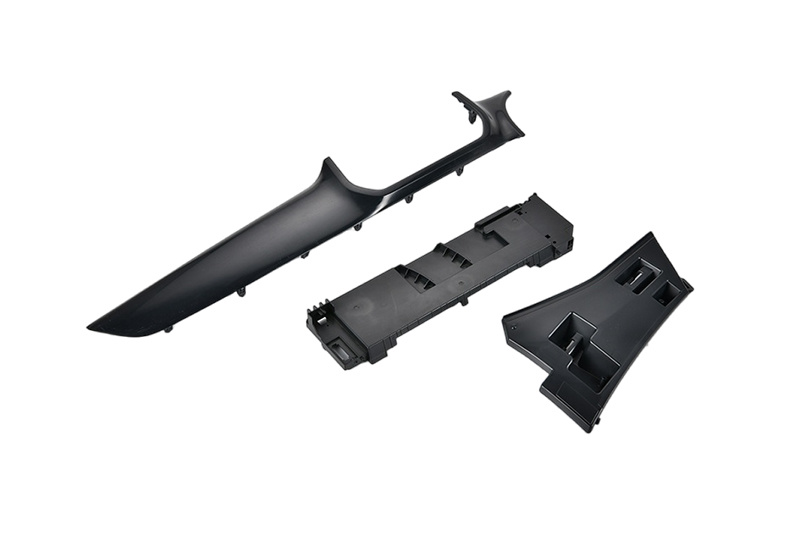
Dashboard pipes are integral components of a vehicle's interior, providing both functionality and aesthetic appeal. They are typically used for housing various electronic systems, including climate control and infotainment systems. Given their importance, the design and production of dashboard pipes must adhere to stringent industry standards. Understanding the specific requirements for these components is crucial for mold designers and manufacturers.
The Role of Dashboard Pipes
Dashboard pipes serve multiple functions, such as housing wiring and electronic components. They also contribute to the vehicle's overall design, influencing how consumers perceive the brand. As such, the design of dashboard pipes must balance form and function, ensuring that they are both visually appealing and practical.
3. Conceptualization: The First Step in Mold Design
The journey begins with the conceptualization phase, where ideas are transformed into tangible designs. This stage involves brainstorming sessions, sketching initial concepts, and determining the specific functions of the dashboard pipes. Design teams collaborate to define the dimensions, materials, and aesthetics, laying the groundwork for the subsequent stages.
Collaboration and Brainstorming
Successful conceptualization relies on collaboration among designers, engineers, and stakeholders. This teamwork ensures that all perspectives are considered, leading to a more comprehensive design. Advanced software tools can aid in visualizing concepts, allowing teams to experiment with different shapes and sizes before settling on a final design.
4. Material Selection for Automotive Molds
Choosing the right materials for automotive molds is critical for producing high-quality dashboard pipes. The materials selected must withstand the rigors of automotive environments, including temperature fluctuations and exposure to chemicals.
Common Materials Used
Popular materials for automotive molds include:
- **Steel**: Known for its durability and strength, steel is often used for molds that require high precision.
- **Aluminum**: Lightweight and resistant to corrosion, aluminum molds are ideal for smaller production runs.
- **Thermoplastics**: These materials are gaining traction due to their flexibility and ease of processing.
Evaluating Material Properties
When selecting materials, factors such as tensile strength, thermal stability, and cost must be considered. A thorough evaluation ensures that the chosen material aligns with the performance requirements of the dashboard pipes while remaining cost-effective.
5. The Design Process: CAD and Prototyping
Once materials are selected, the next phase involves detailed design work using Computer-Aided Design (CAD) software. This technology allows for precise modeling and simulation of the dashboard pipe molds.
Utilizing CAD Software
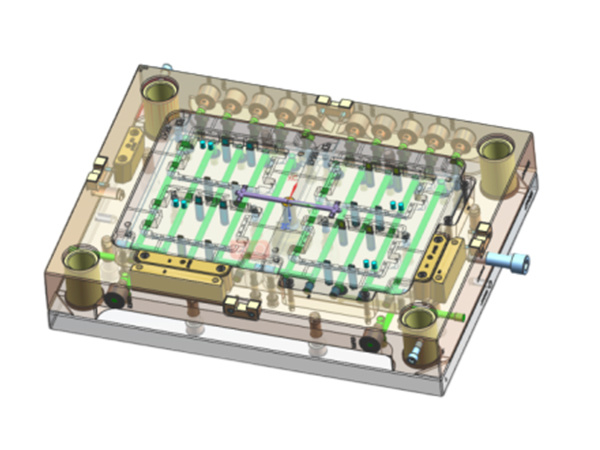
CAD software provides designers with powerful tools to create intricate designs. The software enables the visualization of how the mold will function and fit into the overall vehicle assembly. This step is essential for identifying potential issues early in the process.
Prototyping: Turning Designs into Reality
After completing the CAD design, prototypes are created. Prototyping allows teams to evaluate the physical aspect of the mold, making it possible to test the design's functionality and identify areas for improvement. This stage is crucial for ensuring that the final product meets all specifications.
6. Manufacturing Techniques for Molds
Once the design is finalized and prototypes approved, the production of automotive molds for dashboard pipes can commence. Various manufacturing techniques are employed to ensure efficiency and quality.
Injection Molding
Injection molding is one of the most widely used techniques in the automotive industry. It involves injecting molten material into a mold cavity, allowing for high precision and consistency in the production of dashboard pipes.
3D Printing
3D printing has emerged as a revolutionary technique in mold manufacturing. It allows for rapid prototyping and customization, making it easier to test new designs and materials. This technology can significantly reduce lead times and production costs.
7. Quality Assurance in Mold Production
Quality assurance is crucial in the production of automotive molds. It involves implementing stringent testing and inspection protocols to ensure that each mold meets the required standards.
Testing and Inspection Procedures
A variety of tests are conducted during the mold production process, including dimensional checks and material inspections. These procedures help identify any defects or inconsistencies early on, ensuring that the final molds are of the highest quality.
Adhering to Industry Standards
Automotive molds must comply with numerous industry standards, including ISO and TS certifications. Adhering to these guidelines not only ensures product quality but also enhances the manufacturer's reputation within the automotive sector.
8. Sustainability in Automotive Mold Production
As the automotive industry moves towards sustainability, mold manufacturers are adopting greener practices. This shift involves reducing waste, optimizing energy consumption, and utilizing recyclable materials.
Implementing Eco-Friendly Practices
Many manufacturers are integrating eco-friendly practices into their operations. This includes investing in energy-efficient machinery and sourcing sustainable materials. By prioritizing sustainability, manufacturers not only reduce their environmental footprint but also appeal to increasingly eco-conscious consumers.
9. Future Trends in Automotive Mold Technology
The future of automotive mold technology is marked by rapid advancements and innovations. Emerging technologies are set to transform the landscape of mold manufacturing.
Smart Manufacturing
The integration of smart technologies is revolutionizing the production process. Data analytics, IoT, and AI are being utilized to enhance efficiency and quality control, enabling manufacturers to make data-driven decisions that improve outcomes.
Advanced Materials
Research into advanced materials, such as composites and bioplastics, is paving the way for more sustainable and efficient mold production. These materials offer superior performance while minimizing environmental impact.
10. Conclusion
The journey from concept to creation of automotive molds for dashboard pipes is a complex and multifaceted process. It involves meticulous planning, collaboration, and innovative technologies that converge to produce high-quality components. As the automotive industry continues to evolve, embracing sustainability and technological advancements will ensure that mold production remains efficient and effective. Understanding this journey not only illuminates the intricacies of automotive manufacturing but also highlights the importance of precision and quality in creating components that contribute to the overall driving experience.
11. FAQs
What are automotive molds?
Automotive molds are specialized tools used to shape materials into specific components for vehicles, such as dashboard pipes.
How is injection molding used in automotive manufacturing?
Injection molding is a technique where molten material is injected into a mold to create parts with high precision and consistency.
What materials are commonly used for automotive molds?
Common materials include steel, aluminum, and thermoplastics, each chosen for their specific properties and applications.
Why is quality assurance important in mold production?
Quality assurance ensures that molds meet industry standards, which is critical for the performance and safety of automotive components.
What are the future trends in automotive mold technology?
Future trends include smart manufacturing technologies, advanced materials, and a focus on sustainability in the production process.
Related news