Understanding Injection Molding for Air Intake Pipe Assemblies
Injection molding is a crucial manufacturing process widely utilized in the production of various plastic components, including air intake pipe assemblies for automotive applications. This technique is favored for its ability to produce complex shapes with high precision, making it ideal for components that require specific geometry and tight tolerances. The air intake pipe assembly plays a vital
2026-03-19
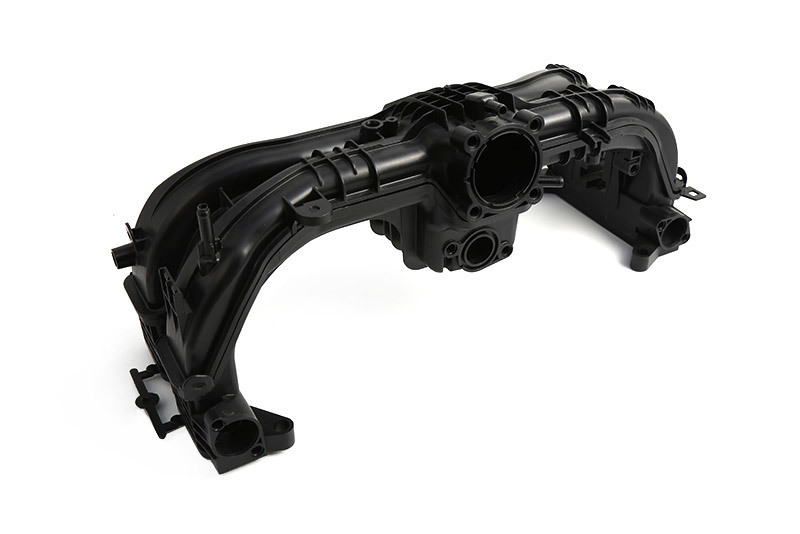
Injection molding is a crucial manufacturing process widely utilized in the production of various plastic components, including air intake pipe assemblies for automotive applications. This technique is favored for its ability to produce complex shapes with high precision, making it ideal for components that require specific geometry and tight tolerances.
The air intake pipe assembly plays a vital role in an engine's performance by directing air into the engine while minimizing turbulence and ensuring optimal airflow. The design of these components often incorporates intricate features that can be efficiently created through injection molding. The process begins with melting plastic granules and injecting the molten material into a precisely designed mold. Once cooled, the mold is opened, and the finished product is ejected.
One of the primary advantages of using injection molding for air intake pipe assemblies is the high level of repeatability it offers. Manufacturers can produce thousands of identical parts with consistent quality, which is essential in the automotive industry where reliability is paramount. Additionally, the process allows for the integration of different materials and colors, offering flexibility in design and functionality. This is particularly beneficial for air intake pipes that may need to meet specific industry standards or aesthetic requirements.
Another significant benefit of injection molding is its efficiency in large-scale production. Once the mold is created, the cycle time for each injection can be very short, leading to high output rates. This efficiency translates into reduced production costs over time, making it a cost-effective solution for manufacturers looking to scale operations.
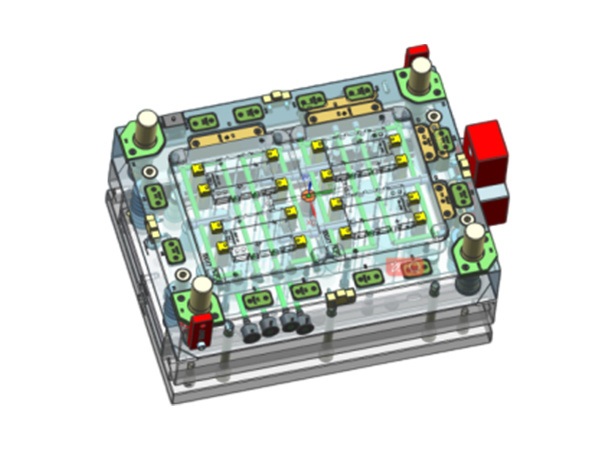
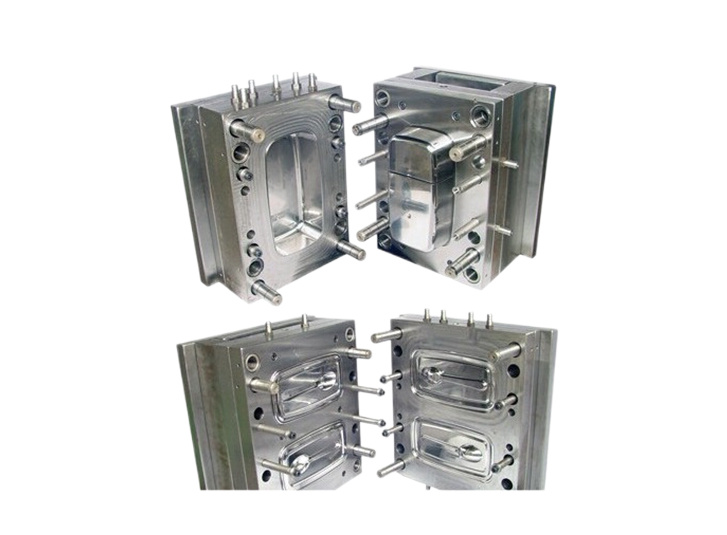
However, creating molds for air intake pipe assemblies does come with its challenges. Designing a mold that can withstand the high pressures and temperatures involved in the injection process requires expertise in materials and engineering principles. Additionally, any imperfections in the mold can lead to defects in the final product, necessitating careful quality control throughout the manufacturing process.
In conclusion, injection molding is an indispensable technique in the production of air intake pipe assemblies. Its capacity for high precision, efficiency, and adaptability makes it an ideal choice for manufacturers in the automotive sector. As the demand for high-performance vehicles continues to grow, understanding the intricacies of injection molding will be crucial for professionals involved in the manufacturing and design of automotive components. By leveraging the advancements in this technology, companies can ensure the production of superior quality parts that meet the rigorous standards of the industry.
The air intake pipe assembly plays a vital role in an engine's performance by directing air into the engine while minimizing turbulence and ensuring optimal airflow. The design of these components often incorporates intricate features that can be efficiently created through injection molding. The process begins with melting plastic granules and injecting the molten material into a precisely designed mold. Once cooled, the mold is opened, and the finished product is ejected.
One of the primary advantages of using injection molding for air intake pipe assemblies is the high level of repeatability it offers. Manufacturers can produce thousands of identical parts with consistent quality, which is essential in the automotive industry where reliability is paramount. Additionally, the process allows for the integration of different materials and colors, offering flexibility in design and functionality. This is particularly beneficial for air intake pipes that may need to meet specific industry standards or aesthetic requirements.
Another significant benefit of injection molding is its efficiency in large-scale production. Once the mold is created, the cycle time for each injection can be very short, leading to high output rates. This efficiency translates into reduced production costs over time, making it a cost-effective solution for manufacturers looking to scale operations.
However, creating molds for air intake pipe assemblies does come with its challenges. Designing a mold that can withstand the high pressures and temperatures involved in the injection process requires expertise in materials and engineering principles. Additionally, any imperfections in the mold can lead to defects in the final product, necessitating careful quality control throughout the manufacturing process.
In conclusion, injection molding is an indispensable technique in the production of air intake pipe assemblies. Its capacity for high precision, efficiency, and adaptability makes it an ideal choice for manufacturers in the automotive sector. As the demand for high-performance vehicles continues to grow, understanding the intricacies of injection molding will be crucial for professionals involved in the manufacturing and design of automotive components. By leveraging the advancements in this technology, companies can ensure the production of superior quality parts that meet the rigorous standards of the industry.
Related news