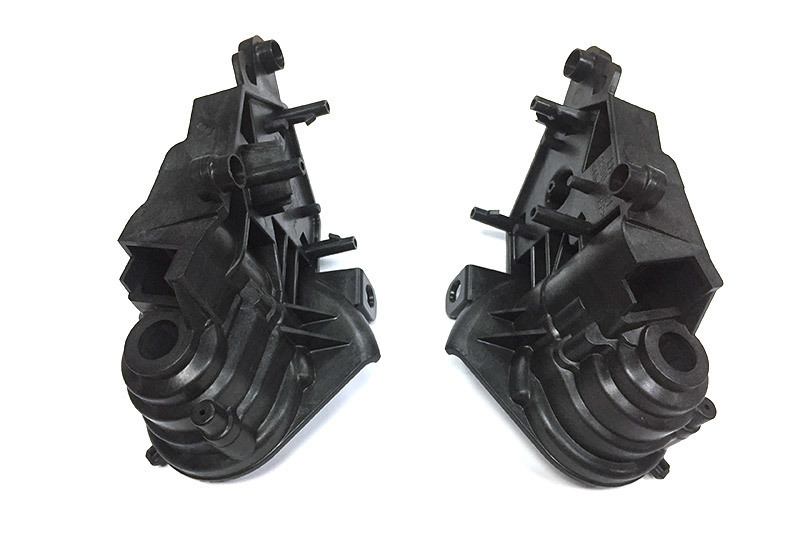
The Science Behind Automotive Molds: Perfecting Dashboard Pipe Creations
The Science Behind Automotive Molds: Perfecting Dashboard Pipe Creations Table of Contents 1. Introduction to Automotive Molding 2. Understanding Dashboard Pipe Designs 3. Key Materials Used in Automotive Molding 3.1 Thermoplastics vs. Thermosetting Plastics 3.2 The Role of Composite Materials 4. The Molding Process Explained 4.1 Injection Molding Techniques 4.2 Compression Molding Process 5. The
2026-03-07
The Science Behind Automotive Molds: Perfecting Dashboard Pipe Creations
Table of Contents
1. Introduction to Automotive Molding
2. Understanding Dashboard Pipe Designs
3. Key Materials Used in Automotive Molding
3.1 Thermoplastics vs. Thermosetting Plastics
3.2 The Role of Composite Materials
4. The Molding Process Explained
4.1 Injection Molding Techniques
4.2 Compression Molding Process
5. The Importance of Precision in Automotive Molds
6. Innovations in Automotive Mold Technology
6.1 3D Printing in Mold Creation
6.2 Automation and Robotics in Molding
7. Quality Control Measures for Dashboard Pipes
8. Future Trends in Automotive Molding
9. FAQs about Automotive Molding
10. Conclusion
1. Introduction to Automotive Molding
The automotive industry is a complex arena where engineering meets artistry. One of the essential components of this field is automotive molding, which plays a pivotal role in producing parts like dashboard pipes. Understanding the science of automotive molds not only highlights the technical sophistication involved but also showcases the innovation driving the industry forward.
2. Understanding Dashboard Pipe Designs
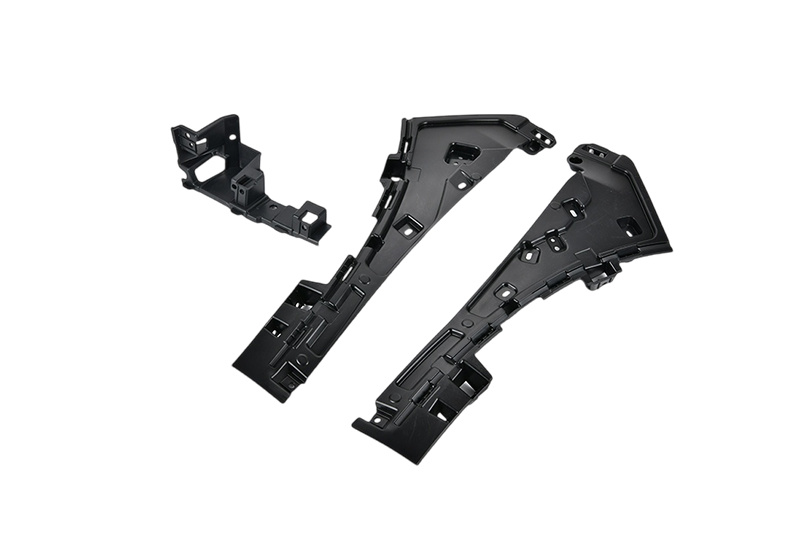
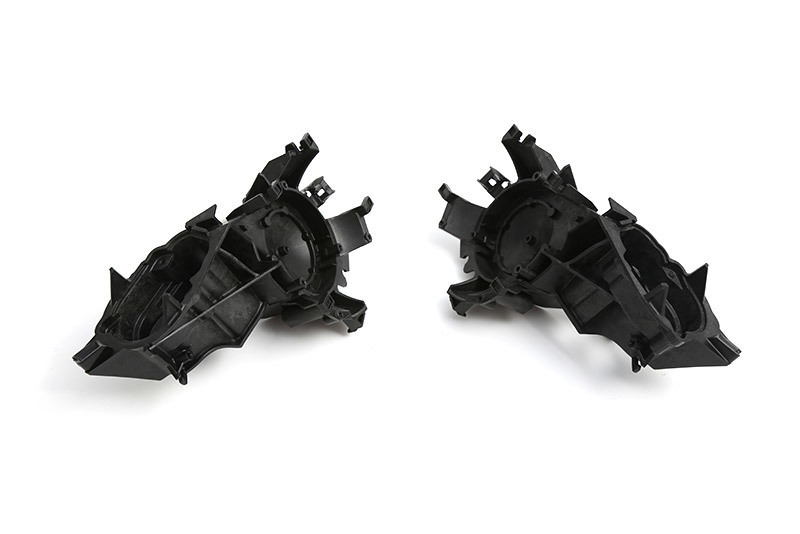
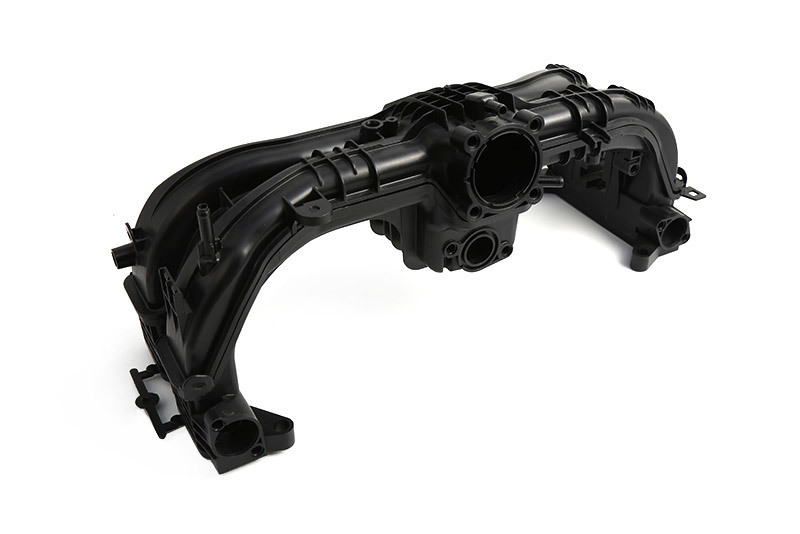
Dashboard pipes are integral to vehicle interiors, serving both functional and aesthetic purposes. These components are designed to accommodate various functionalities, such as housing electrical wiring, supporting air vents, and even adding to the overall visual appeal of the dashboard. Understanding the design requirements for dashboard pipes is crucial for any manufacturer aiming to create durable and visually appealing molds.
3. Key Materials Used in Automotive Molding
The selection of materials is fundamental in automotive molding, especially when creating dashboard pipe components. The materials chosen must endure diverse environmental conditions while maintaining high aesthetic standards.
3.1 Thermoplastics vs. Thermosetting Plastics
Thermoplastics are commonly used in automotive applications due to their flexibility and reusability. These materials can be melted and remolded, making them ideal for complex shapes and designs. On the other hand, thermosetting plastics offer superior strength and heat resistance, making them suitable for high-performance applications. Choosing between these two types depends on the specific requirements of the dashboard pipe and the desired performance characteristics.
3.2 The Role of Composite Materials
Composite materials, which combine different substances to achieve enhanced properties, are increasingly popular in automotive molding. By leveraging the strengths of various materials, manufacturers can create dashboard pipes that are both lightweight and highly durable. These composites can also be tailored to meet specific performance and aesthetic criteria.
4. The Molding Process Explained
Creating automotive molds involves several steps, each critical to ensuring the final product meets the desired specifications.
4.1 Injection Molding Techniques
Injection molding is one of the most widely used methods in automotive manufacturing. This technique involves injecting molten material into a pre-designed mold cavity, where it cools and solidifies into the desired shape. Precision in this process is vital, as even minor inaccuracies can lead to defects in the final product.
4.2 Compression Molding Process
Compression molding involves placing a premeasured amount of material into an open mold cavity, which is then closed to apply heat and pressure. This method is particularly effective for creating larger parts and allows for greater material flexibility. It is also energy-efficient, making it a sustainable choice for manufacturers focusing on eco-friendly practices.
5. The Importance of Precision in Automotive Molds
Precision in automotive molds is paramount for several reasons. First, the fit and finish of dashboard pipes directly impact the vehicle’s interior quality. Second, precise molds contribute to the overall safety and functionality of the vehicle. A slight misalignment in the dashboard pipe design can result in operational issues, making accuracy an unavoidable necessity.
6. Innovations in Automotive Mold Technology
As the automotive industry continues to evolve, so too does the technology used in mold creation.
6.1 3D Printing in Mold Creation
3D printing is revolutionizing the way automotive molds are designed and produced. This technology allows for rapid prototyping, enabling manufacturers to test and refine their designs before committing to large-scale production. Moreover, 3D printing offers unparalleled design freedom, allowing for the creation of complex geometries that traditional methods may struggle to achieve.
6.2 Automation and Robotics in Molding
The integration of automation and robotics into the molding process enhances efficiency, reduces human error, and increases production rates. By automating repetitive tasks, manufacturers can focus on quality control and innovation, ultimately leading to superior dashboard pipe creations.
7. Quality Control Measures for Dashboard Pipes
Maintaining quality throughout the production process is essential for delivering high-performing automotive components. Quality control measures should be implemented at every stage, from material selection to final inspection. Regular testing for durability, aesthetics, and functionality ensures that the dashboard pipes meet both industry standards and customer expectations.
8. Future Trends in Automotive Molding
Looking ahead, several trends are shaping the future of automotive molding. Sustainability is becoming increasingly critical, with manufacturers adopting eco-friendly materials and processes. Additionally, the rise of electric and autonomous vehicles is driving innovations in mold design to accommodate new technologies. Monitoring these trends will be vital for any manufacturer aiming to stay competitive in the automotive industry.
9. FAQs about Automotive Molding
What are the most common materials used in dashboard pipe production?
Common materials include thermoplastics, thermosetting plastics, and composite materials. Each material offers distinct advantages depending on the application.
How does the injection molding process work?
Injection molding involves heating plastic until it becomes molten, then injecting it into a mold where it cools and solidifies into the desired shape.
Why is precision important in automotive molds?
Precision ensures that parts fit correctly and function as intended, which is crucial for vehicle safety and performance.
What role does 3D printing play in automotive molding?
3D printing allows for rapid prototyping and the creation of complex designs that may be challenging to achieve with traditional molding techniques.
What are the emerging trends in automotive molding technology?
Key trends include increased sustainability, the use of advanced materials, and automation technologies that enhance production efficiency.
10. Conclusion
The science behind automotive molds, particularly in creating dashboard pipes, is a fascinating amalgamation of engineering, design, and technology. As we continue to explore innovative materials and processes, the quality and performance of automotive components will only improve. By focusing on precision, embracing new technologies, and adhering to rigorous quality control standards, the automotive industry can ensure that every dashboard pipe not only meets but exceeds expectations. The future of automotive molding is bright, and we are excited to see where this journey takes us.
Related news