How IML Plastic Injection Parts Can Significantly Enhance Your Product Line
How IML Plastic Injection Parts Can Significantly Enhance Your Product Line Table of Contents 1. What is In-Mold Labeling (IML)? 2. Key Benefits of IML Plastic Injection Parts 3. Cost Efficiency in Production 4. Design Possibilities and Versatility 5. Sustainability and Environmental Impact 6. The IML Process Explained 7. Applications of IML in Various Industries 8
2026-09-07
How IML Plastic Injection Parts Can Significantly Enhance Your Product Line
Table of Contents
- 1. What is In-Mold Labeling (IML)?
- 2. Key Benefits of IML Plastic Injection Parts
- 3. Cost Efficiency in Production
- 4. Design Possibilities and Versatility
- 5. Sustainability and Environmental Impact
- 6. The IML Process Explained
- 7. Applications of IML in Various Industries
- 8. The Future of IML Technology
- 9. FAQs About IML Plastic Injection Parts
- 10. Conclusion
1. What is In-Mold Labeling (IML)?
In-Mold Labeling (IML) is an advanced technique utilized in the plastic injection molding process. This method involves placing a pre-printed label into a mold before the injection of plastic. As the plastic material flows into the mold, it bonds with the label, creating a durable and visually appealing product. This innovative approach not only enhances the aesthetics of the product but also provides functional benefits such as increased durability and resistance to wear.
2. Key Benefits of IML Plastic Injection Parts
The incorporation of IML in your product line offers numerous advantages, making it a preferred choice among manufacturers. Here are some of the key benefits:
2.1 Enhanced Aesthetics
IML allows for high-quality graphics and vibrant colors, which significantly improve the visual appeal of the final product. Labels can feature intricate designs, textures, and finishes that traditional labeling methods cannot achieve.
2.2 Increased Durability
IML products benefit from an integrated label that is less prone to peeling or fading. The label is protected by the plastic, ensuring it retains its appearance even after extensive use.
2.3 Cost-Effective Production
IML reduces the need for additional labeling processes, cutting production time and labor costs. Manufacturers can streamline their operations by integrating labeling and molding into a single step.
2.4 Versatile Material Options
IML can be applied to various materials, including polypropylene, polystyrene, and polyethylene. This versatility allows manufacturers to choose the most suitable material for their specific applications.
3. Cost Efficiency in Production
One of the most compelling reasons to adopt IML technology is its cost-efficiency. By combining the labeling and molding processes, manufacturers can achieve:
3.1 Reduced Labor Costs
Eliminating the need for separate labeling operations minimizes labor costs. Fewer steps mean fewer workers are required, allowing companies to allocate resources more effectively.
3.2 Lower Material Waste
IML utilizes pre-printed labels, which means there is less waste compared to traditional labeling methods that often require excess material. This reduction in waste contributes to more sustainable manufacturing practices.
4. Design Possibilities and Versatility
The design possibilities with IML are virtually limitless. Manufacturers can explore innovative concepts that were previously unattainable with conventional labeling techniques.
4.1 Customization Options
IML enables intricate designs, allowing for customization that meets specific branding requirements. Companies can create unique products that stand out in the marketplace.
4.2 Textures and Finishes
IML allows for the incorporation of various textures and finishes onto the product surface. This capability enhances tactile experiences and can differentiate products in competitive markets.
5. Sustainability and Environmental Impact
Sustainability is a crucial consideration in modern manufacturing. IML technology supports environmental initiatives in several ways:
5.1 Reduced Environmental Footprint
By minimizing material waste and energy consumption during production, IML significantly reduces the overall environmental impact. Companies that adopt sustainable practices can enhance their corporate social responsibility profiles.
5.2 Recyclability
Products manufactured using IML techniques can be designed to be fully recyclable, aligning with the growing demand for eco-friendly products. This feature not only appeals to environmentally conscious consumers but also complies with increasingly stringent regulations.
6. The IML Process Explained
Understanding the IML process is essential for manufacturers looking to leverage this technology. Here’s a step-by-step overview of how IML works:
6.1 Preparation of Labels
Before the molding process begins, pre-printed labels are prepared. These labels can be customized with logos, graphics, and any necessary information.
6.2 Insertion of Labels into Molds
Once the labels are ready, they are placed into the injection molding machine’s molds. Precision is crucial here to ensure proper positioning and alignment.
6.3 Injection of Plastic Material
The chosen plastic material is heated until it reaches a molten state and is then injected into the mold. As the plastic cools, it fuses with the label, creating a seamless product.
6.4 Cooling and Ejection
After the plastic has cooled and solidified, the finished product is ejected from the mold. At this point, manufacturers have a completed item with an integrated label.
7. Applications of IML in Various Industries
IML technology is versatile and can be applied across a wide range of industries. Here are some notable applications:
7.1 Food Packaging
In the food industry, IML is employed for containers and packaging that require high standards of hygiene and aesthetics. The durability of IML labels is particularly beneficial in this context.
7.2 Consumer Products
From household items to personal care products, IML can elevate the branding and shelf appeal of consumer goods, making them more attractive to customers.
7.3 Automotive Components
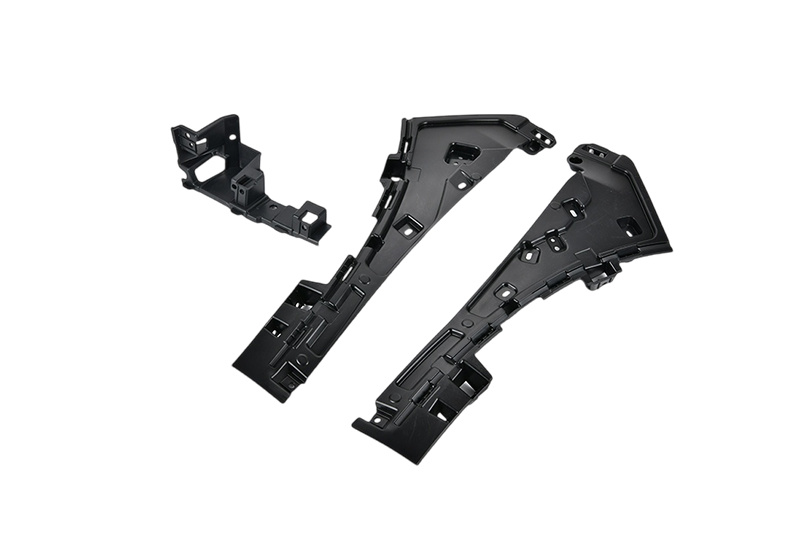
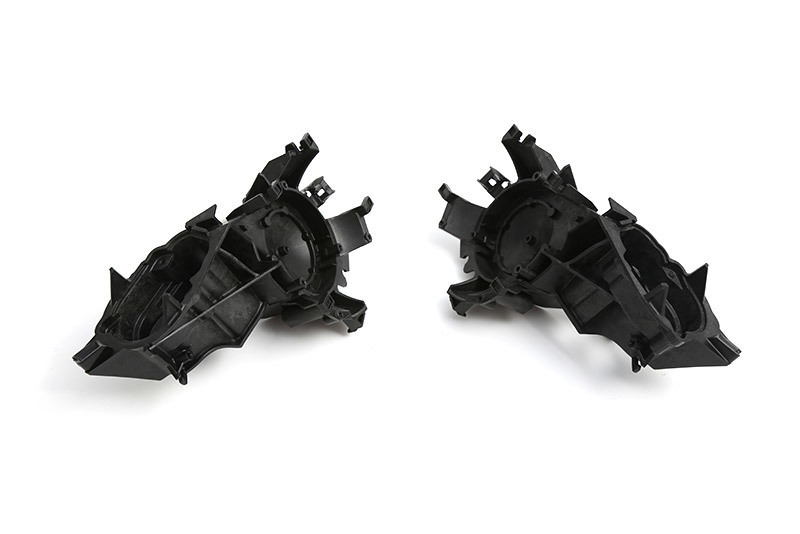
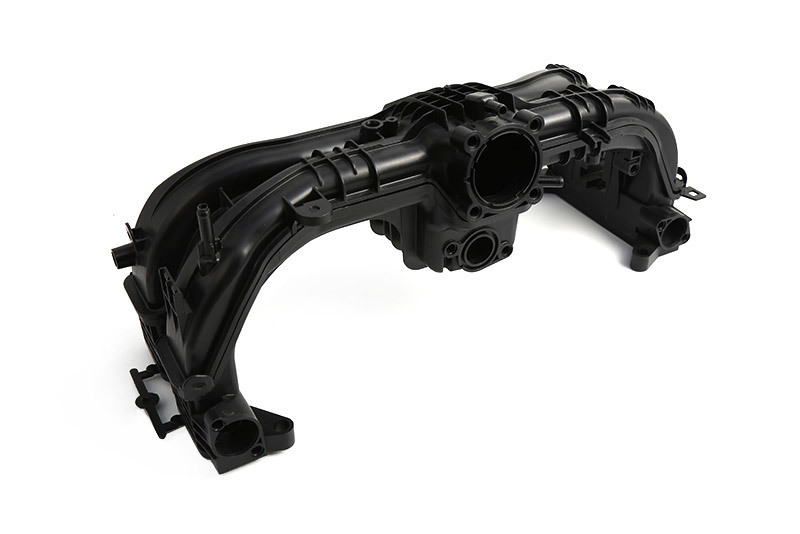
In the automotive sector, IML is used for various interior and exterior components where both durability and aesthetics are critical.
8. The Future of IML Technology
The future of IML holds promising advancements, particularly in automation and smart manufacturing. With the rise of Industry 4.0, IML technology is expected to become even more efficient, reducing costs and enhancing product quality.
8.1 Integration with Automation
As automation becomes more prevalent, the integration of IML processes with robotic systems could further streamline production, minimizing human error and increasing output.
8.2 Advancements in Materials
Future developments in materials science could lead to the creation of new substrates for IML, enhancing performance while addressing sustainability concerns.
9. FAQs About IML Plastic Injection Parts
9.1 What types of products can benefit from IML technology?
IML technology can enhance a variety of products, including food containers, consumer goods, and industrial components.
9.2 Is IML cost-effective compared to traditional labeling?
Yes, IML is often more cost-effective as it combines labeling and molding processes, reducing labor and material costs.
9.3 Can IML labels withstand harsh environments?
Absolutely. IML labels are designed to be durable and resistant to scratches, chemicals, and UV exposure.
9.4 How does IML contribute to sustainability?
IML reduces material waste and energy consumption, and products can be designed for recyclability.
9.5 What industries are adopting IML technology?
Industries such as food packaging, automotive, and consumer products are increasingly adopting IML technology for its advantages.
10. Conclusion
In conclusion, adopting **IML plastic injection parts** in your product line can yield significant advantages, including enhanced aesthetics, cost efficiency, and sustainability. As industries evolve, the integration of IML will likely become a key factor in competitive manufacturing. Embracing this innovative technology not only positions your brand for success but also aligns with consumer demands for quality and environmental responsibility. By understanding and leveraging the benefits of IML, businesses can enhance their product offerings and stand out in the marketplace.
Related news