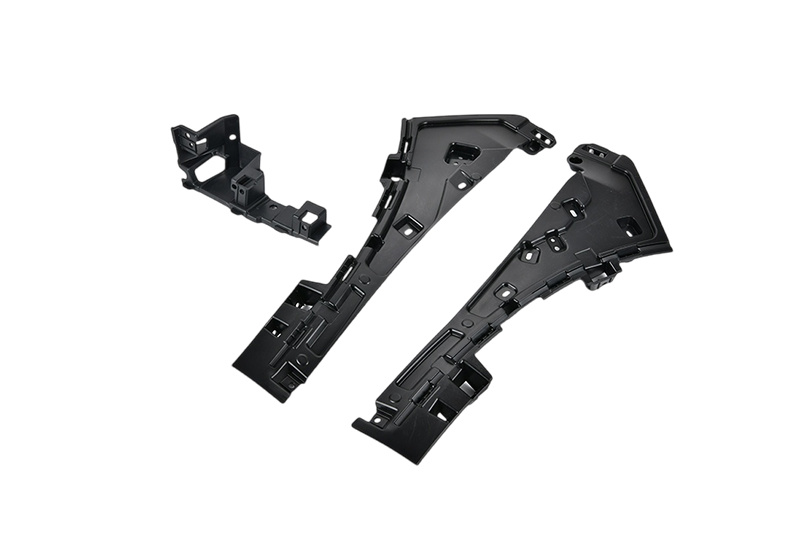
Automotive Molds: Essential Factors Impacting Dashboard Pipe Quality for Optimal Performance
Automotive Molds: Key Factors Influencing Dashboard Pipe Quality Introduction to Automotive Molds and Dashboard Pipes In the automotive industry, molds play a pivotal role in the manufacturing of various components, particularly dashboard pipes. These pipes not only serve functional purposes but also contribute to the aesthetic appeal and safety of vehicles. Understanding the key factors that
2026-09-15
Automotive Molds: Key Factors Influencing Dashboard Pipe Quality
Introduction to Automotive Molds and Dashboard Pipes
In the automotive industry, molds play a pivotal role in the manufacturing of various components, particularly dashboard pipes. These pipes not only serve functional purposes but also contribute to the aesthetic appeal and safety of vehicles. Understanding the key factors that influence the quality of automotive molds, specifically for dashboard pipes, is essential for manufacturers aiming to enhance performance and meet consumer expectations.
The Importance of Dashboard Pipes in Automotive Design
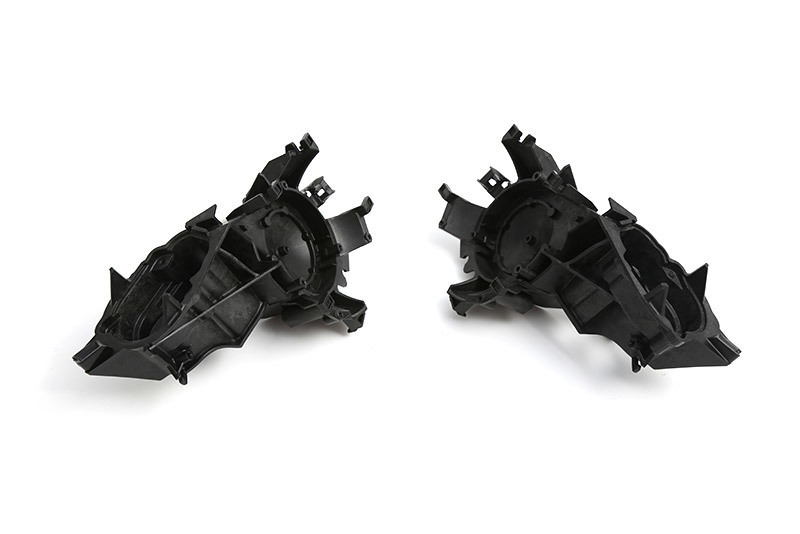
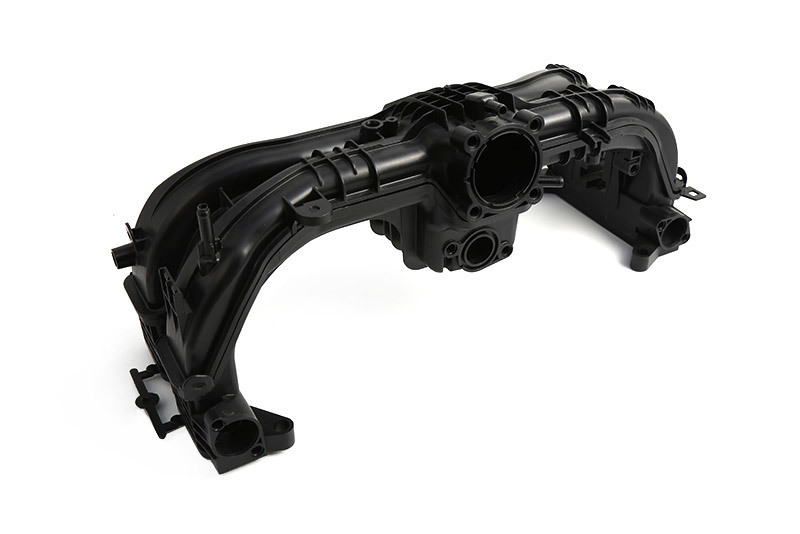
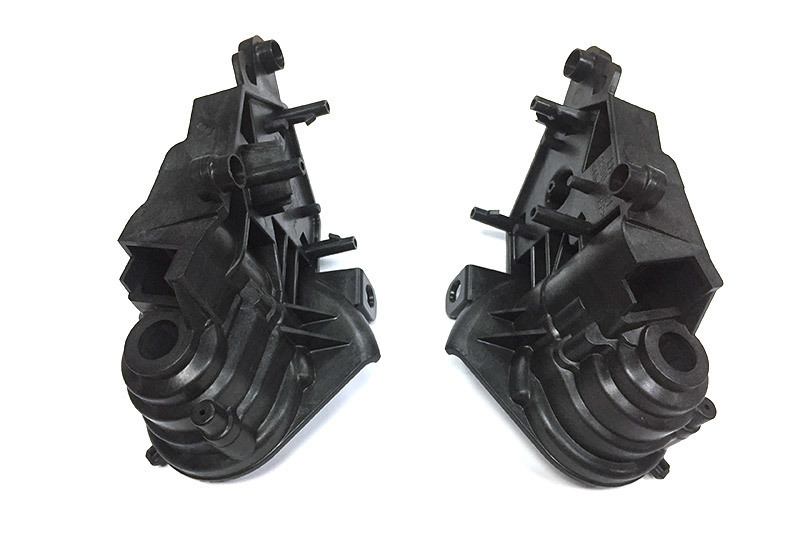
Dashboard pipes are integral to the automotive design, impacting both the functionality and comfort of the vehicle. They are responsible for housing essential components such as wiring, ventilation systems, and instrument panels. High-quality dashboard pipes ensure durability, resistance to environmental factors, and seamless integration with other vehicle elements.
Material Selection: The Foundation of Quality
The choice of materials significantly influences the quality of dashboard pipes. Manufacturers often opt for materials that offer a balance between strength, flexibility, and weight. Common materials include:
Polypropylene (PP)
Polypropylene is favored for its excellent chemical resistance and lightweight properties. It is often used in dashboard pipe production due to its durability and ease of molding.
Polyvinyl Chloride (PVC)
PVC is known for its versatility and good mechanical properties. It is often used in applications requiring better insulation and resistance to environmental stressors.
Thermoplastic Elastomers (TPE)
TPEs combine the characteristics of rubber and plastic, offering flexibility while maintaining structural integrity. They are increasingly popular for dashboard pipes due to their compatibility with various manufacturing processes.
Design Precision: The Art of Molding
Achieving high-quality dashboard pipes requires precise design and engineering. The design phase involves several critical considerations:
CAD Modeling and Simulation
Using computer-aided design (CAD) software, engineers can create detailed models of dashboard pipes. Simulation tools help identify potential design flaws, allowing for adjustments before the manufacturing process begins.
Tooling Engineering
The tooling used in the molding process must be meticulously crafted to ensure accurate reproduction of the dashboard pipe design. Poor tooling can lead to defects, impacting both the functionality and appearance of the final product.
Manufacturing Processes: Techniques That Matter
The manufacturing process is crucial in determining the quality of dashboard pipes. Several techniques are commonly employed:
Injection Molding
Injection molding is the predominant method used in producing dashboard pipes. This process allows for high precision and repeatability, resulting in consistent quality across mass production.
Blow Molding
Blow molding is employed for hollow dashboard components. This technique provides excellent thickness control and uniform strength, essential for certain designs.
3D Printing for Prototyping
In recent years, 3D printing has emerged as a valuable tool for prototyping dashboard pipes. It enables rapid iteration of designs, allowing manufacturers to test and refine concepts before committing to expensive tooling.
Quality Control Measures: Ensuring Excellence
Implementing robust quality control measures is vital to maintaining high standards in dashboard pipe production. These measures include:
Material Testing
Before production, materials must undergo rigorous testing to assess their properties and ensure they meet industry standards. This includes evaluating tensile strength, impact resistance, and thermal stability.
Dimensional Inspection
Using advanced measurement techniques, manufacturers must conduct dimensional inspections to ensure that dashboard pipes adhere to specified tolerances. Any deviations can lead to assembly issues or performance failures.
Performance Testing
Dashboard pipes should be subjected to performance testing under various environmental conditions. This includes exposure to extreme temperatures, humidity, and chemical agents to evaluate their durability and longevity.
Environmental Considerations: Sustainable Practices
With increasing awareness of environmental issues, manufacturers must consider sustainable practices in the production of dashboard pipes.
Recyclable Materials
Opting for recyclable materials not only helps reduce waste but also enhances the overall sustainability of the manufacturing process. Materials like polypropylene and certain types of TPE can be recycled, contributing to a circular economy.
Energy-Efficient Processes
Implementing energy-efficient manufacturing processes can significantly reduce the carbon footprint of dashboard pipe production. Techniques such as optimizing machine cycles and utilizing renewable energy sources contribute to sustainability.
Future Trends in Automotive Molding
As technology continues to evolve, several trends are shaping the future of automotive molding, particularly for dashboard pipes.
Smart Materials and Sensors
The integration of smart materials and sensors into dashboard pipes is becoming more popular. These innovations can enhance functionality, such as temperature regulation or monitoring the health of the vehicle, making dashboard pipes more than just structural components.
Advanced Manufacturing Technologies
Technologies such as additive manufacturing and automation are set to revolutionize the production of dashboard pipes. These advancements will enable greater customization, reduced lead times, and improved overall quality.
Case Studies: Successful Implementations of Quality Dashboard Pipes
Examining successful case studies can provide valuable insights into best practices for producing high-quality dashboard pipes.
Case Study 1: OEM Manufacturer A
Manufacturer A implemented a comprehensive quality control program that included advanced material testing and real-time monitoring during production. As a result, they achieved a significant reduction in defects and increased customer satisfaction.
Case Study 2: Tier 1 Supplier B
Supplier B leveraged innovative design techniques and 3D printing technology to rapidly prototype dashboard pipes. This approach allowed them to reduce time-to-market while maintaining high quality, positioning them as a leader in the supply chain.
FAQs About Automotive Molds and Dashboard Pipes
1. What materials are commonly used for dashboard pipes?
Common materials include polypropylene, PVC, and thermoplastic elastomers (TPE), each offering unique properties suitable for different applications.
2. How does injection molding impact dashboard pipe quality?
Injection molding allows for high precision and repeatability, ensuring that dashboard pipes are produced consistently and to exact specifications.
3. What are the key features to look for in dashboard pipe design?
Key features include dimensional accuracy, weight optimization, and the ability to integrate with other vehicle components seamlessly.
4. How can manufacturers ensure sustainability in their production processes?
Manufacturers can opt for recyclable materials and implement energy-efficient practices to reduce their environmental impact.
5. What role do quality control measures play in dashboard pipe production?
Quality control measures ensure that materials and finished products meet established standards, minimizing defects and enhancing performance.
Conclusion
In summary, the quality of automotive molds, particularly dashboard pipes, is influenced by a multitude of factors including material selection, design precision, manufacturing processes, and rigorous quality control. As technology advances and sustainability becomes a priority, manufacturers must adapt to these changes to maintain competitive advantage. By focusing on these critical areas, manufacturers can produce high-quality dashboard pipes that not only meet but exceed the expectations of the automotive industry. The future of automotive molds holds exciting possibilities, driving innovation and performance to new heights.
Related news