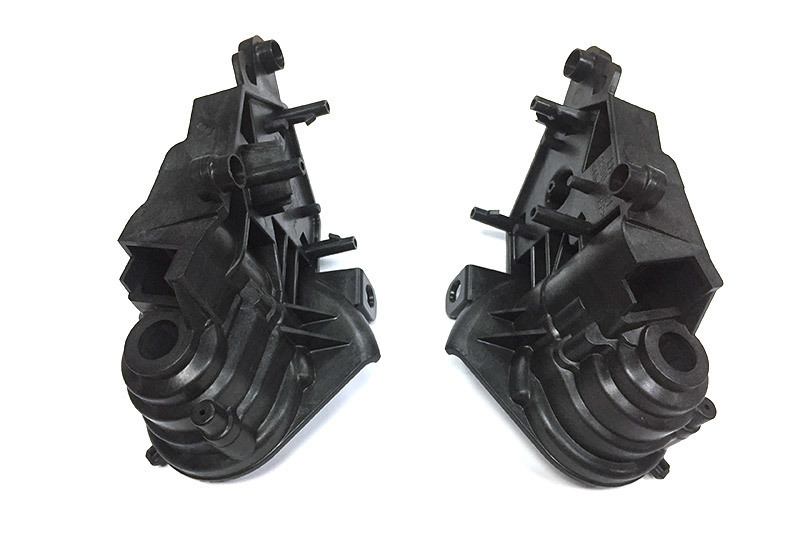
Optimizing Injection Molds for Efficient Air Intake Pipe Assembly
Injection mold design plays a crucial role in the manufacturing of air intake pipe assemblies, particularly in the automotive and aerospace industries. An efficient injection mold can significantly impact the overall performance, durability, and cost-effectiveness of the produced parts. Here, we will discuss key considerations and best practices for creating an injection mold for air intake pipe a
2026-09-03
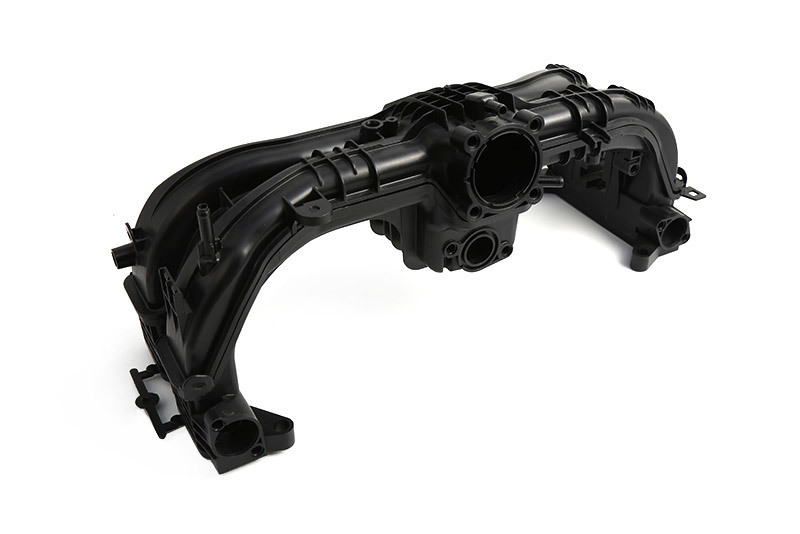
Injection mold design plays a crucial role in the manufacturing of air intake pipe assemblies, particularly in the automotive and aerospace industries. An efficient injection mold can significantly impact the overall performance, durability, and cost-effectiveness of the produced parts. Here, we will discuss key considerations and best practices for creating an injection mold for air intake pipe assembly.
First and foremost, understanding the specific requirements of air intake pipes is essential. These components must withstand high temperatures, vibrations, and exposure to various chemicals. Therefore, selecting the right material for the injection mold is crucial. Common materials used for air intake pipes include high-performance thermoplastics, which can offer excellent mechanical properties and resistance to heat and chemicals.
The design of the injection mold itself should focus on achieving uniform wall thickness. An even wall thickness helps prevent defects such as warping or sink marks during the injection molding process. Moreover, the use of proper cooling channels is vital for maintaining optimal temperatures throughout the mold, which in turn leads to consistent cycle times and reduced production delays.
Another significant aspect of injection mold design for air intake pipes is the incorporation of features that facilitate part ejection. This can include the use of ejector pins, slides, or a combination of both. Efficient part ejection minimizes the risk of damage to the molded parts and ensures a smooth transition from the mold to the production line.
Furthermore, incorporating advanced technologies such as computer-aided design (CAD) and computer-aided manufacturing (CAM) can enhance the precision and efficiency of the mold design process. These tools allow for detailed simulations and modifications before the actual production begins, ensuring that potential issues are addressed early on.
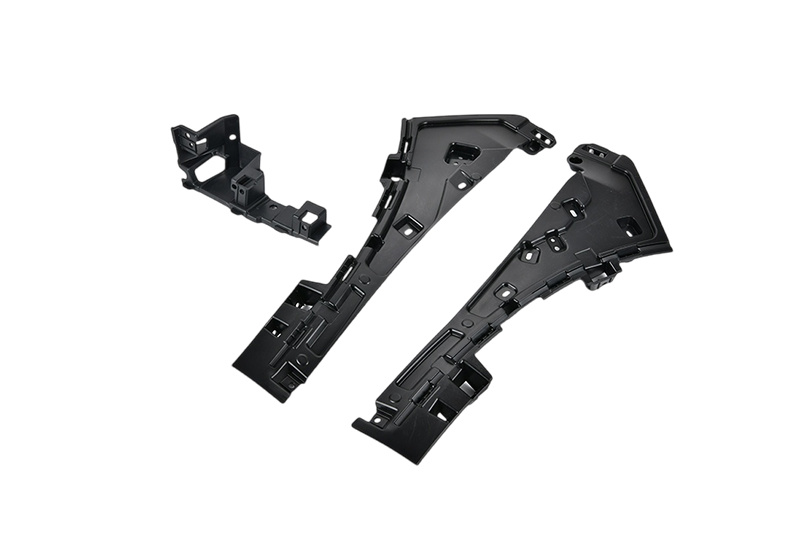
In addition, the assembly of air intake pipes often requires the integration of additional components such as sensors or brackets. Designing molds that accommodate these features can streamline the assembly process and improve the overall functionality of the end product.
Lastly, continuous evaluation and refinement of the injection mold design are essential. After initial production runs, gathering feedback and analyzing part performance can lead to improvements in mold design, material selection, and production techniques. This iterative approach helps manufacturers stay competitive in a rapidly evolving market.
In summary, creating an effective injection mold for air intake pipe assembly requires a comprehensive understanding of material properties, precise mold design, and a commitment to continuous improvement. By focusing on these aspects, manufacturers can produce high-quality air intake pipes that meet the rigorous demands of their respective industries.
First and foremost, understanding the specific requirements of air intake pipes is essential. These components must withstand high temperatures, vibrations, and exposure to various chemicals. Therefore, selecting the right material for the injection mold is crucial. Common materials used for air intake pipes include high-performance thermoplastics, which can offer excellent mechanical properties and resistance to heat and chemicals.
The design of the injection mold itself should focus on achieving uniform wall thickness. An even wall thickness helps prevent defects such as warping or sink marks during the injection molding process. Moreover, the use of proper cooling channels is vital for maintaining optimal temperatures throughout the mold, which in turn leads to consistent cycle times and reduced production delays.
Another significant aspect of injection mold design for air intake pipes is the incorporation of features that facilitate part ejection. This can include the use of ejector pins, slides, or a combination of both. Efficient part ejection minimizes the risk of damage to the molded parts and ensures a smooth transition from the mold to the production line.
Furthermore, incorporating advanced technologies such as computer-aided design (CAD) and computer-aided manufacturing (CAM) can enhance the precision and efficiency of the mold design process. These tools allow for detailed simulations and modifications before the actual production begins, ensuring that potential issues are addressed early on.
In addition, the assembly of air intake pipes often requires the integration of additional components such as sensors or brackets. Designing molds that accommodate these features can streamline the assembly process and improve the overall functionality of the end product.
Lastly, continuous evaluation and refinement of the injection mold design are essential. After initial production runs, gathering feedback and analyzing part performance can lead to improvements in mold design, material selection, and production techniques. This iterative approach helps manufacturers stay competitive in a rapidly evolving market.
In summary, creating an effective injection mold for air intake pipe assembly requires a comprehensive understanding of material properties, precise mold design, and a commitment to continuous improvement. By focusing on these aspects, manufacturers can produce high-quality air intake pipes that meet the rigorous demands of their respective industries.
Related news