Injection Molding Techniques That Enhance Auto Dashboard Aesthetics
Injection Molding Techniques That Enhance Auto Dashboard Aesthetics Table of Contents 1. Understanding Injection Molding in Automotive Design 2. The Importance of Aesthetic Appeal in Auto Dashboards 3. Key Injection Molding Techniques for Dashboard Manufacturing 3.1 Traditional Injection Molding 3.2 Gas-Assisted Injection Molding 3.3 Multicolor Injection Molding 3.4 Insert Molding Techniques 3.5 3
2026-03-15
Injection Molding Techniques That Enhance Auto Dashboard Aesthetics
Table of Contents
1. Understanding Injection Molding in Automotive Design
2. The Importance of Aesthetic Appeal in Auto Dashboards
3. Key Injection Molding Techniques for Dashboard Manufacturing
3.1 Traditional Injection Molding
3.2 Gas-Assisted Injection Molding
3.3 Multicolor Injection Molding
3.4 Insert Molding Techniques
3.5 3D Printing and Injection Molding Integration
4. Material Selection for Enhanced Aesthetics
4.1 Choosing the Right Plastics
4.2 Surface Finishing Techniques
5. Innovations in Dashboard Design
5.1 Ergonomics and User-Centered Design
5.2 Smart Dashboards: Integrating Technology
6. Environmental Considerations in Injection Molding
7. Future Trends in Auto Dashboard Aesthetics
8. Frequently Asked Questions (FAQs)
9. Conclusion
1. Understanding Injection Molding in Automotive Design
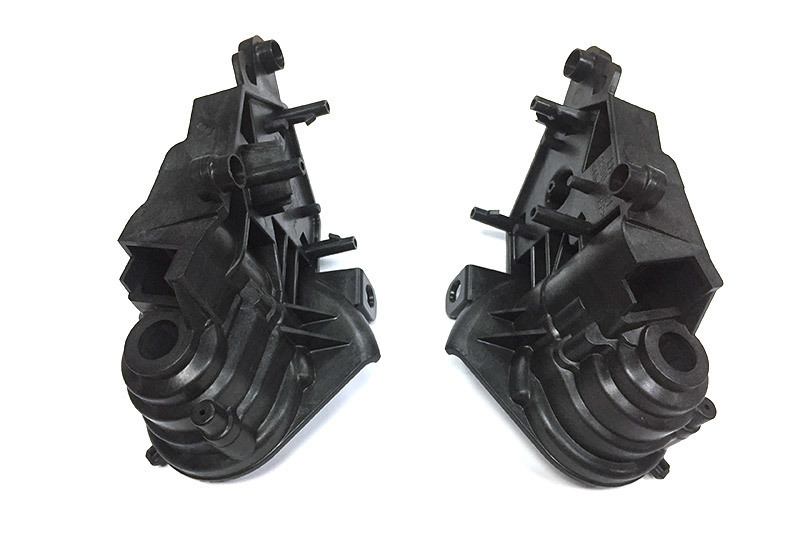
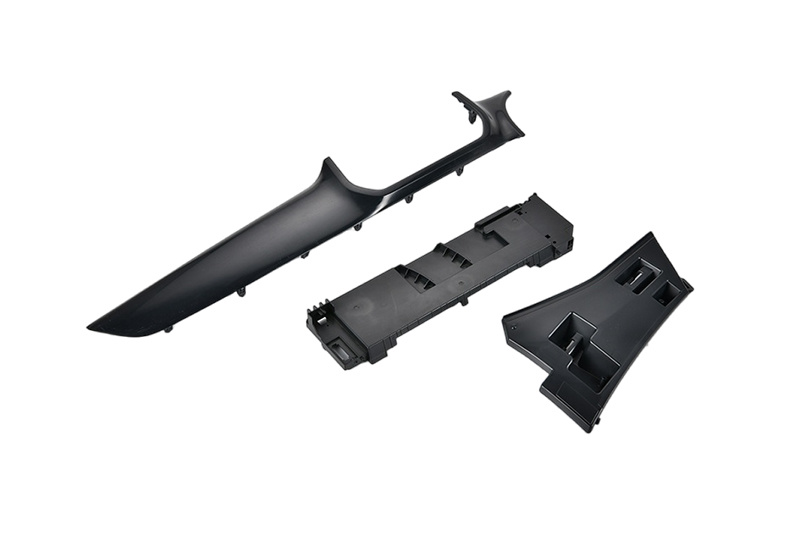
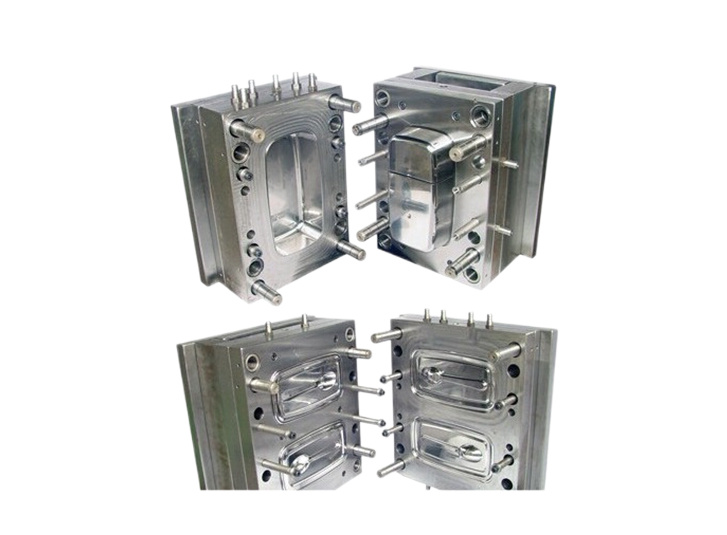
Injection molding is a manufacturing process widely utilized in the automotive industry to create complex parts with precision and efficiency. This method injects molten plastic materials into a mold to form the desired shape. In the context of auto dashboards, injection molding is essential for producing components that not only meet structural requirements but also enhance visual and tactile experiences. The automotive sector increasingly demands high-quality dashboard aesthetics that align with evolving consumer preferences and technological advancements.
2. The Importance of Aesthetic Appeal in Auto Dashboards
In automotive design, the dashboard serves as the focal point of the interior cabin. It not only houses critical controls and displays but also significantly influences the overall aesthetic appeal of the vehicle. An attractive dashboard can enhance user satisfaction, improve perceived value, and contribute to brand loyalty. As such, automotive manufacturers are continually exploring innovative injection molding techniques that enable them to create dashboards that are both functional and visually appealing.
3. Key Injection Molding Techniques for Dashboard Manufacturing
The following section delves into the various injection molding techniques that manufacturers utilize to meet aesthetic and performance demands in dashboard production.
3.1 Traditional Injection Molding
Traditional injection molding remains a cornerstone of dashboard manufacturing due to its ability to produce high volumes of parts consistently. The process involves melting plastic pellets, injecting them into molds, and allowing them to cool and solidify. This method is particularly effective for creating intricate designs that require uniformity and precision.
3.2 Gas-Assisted Injection Molding
Gas-assisted injection molding introduces gas into the mold during the injection process. This technique reduces material usage, minimizes weight, and enhances surface finish. By creating hollow spaces within components, manufacturers can achieve designs that are both lighter and more aesthetically pleasing. The result is a dashboard with smooth contours that can house advanced displays and controls.
3.3 Multicolor Injection Molding
Multicolor injection molding allows for the simultaneous injection of multiple colors of plastic into a single mold. This technique is ideal for creating dashboards with gradient effects or two-tone designs that enhance visual appeal. By integrating different colors directly into the manufacturing process, manufacturers can reduce post-production finishing work, resulting in cost savings and improved efficiency.
3.4 Insert Molding Techniques
Insert molding involves placing pre-manufactured components, such as electronic displays or decorative elements, directly into the mold before the injection process. This technique ensures that these components are securely integrated into the dashboard, enhancing both functionality and aesthetics. The seamless integration of technology into the dashboard design is crucial as vehicles become increasingly digital.
3.5 3D Printing and Injection Molding Integration
The integration of 3D printing with injection molding is revolutionizing the automotive manufacturing landscape. 3D printing enables rapid prototyping and design iterations, allowing manufacturers to test and refine their dashboard designs before mass production. By leveraging both technologies, manufacturers can produce unique dashboard features that enhance aesthetics and user experience while optimizing production efficiency.
4. Material Selection for Enhanced Aesthetics
Choosing the right materials is paramount when it comes to achieving enhanced aesthetics in auto dashboards. The selection of plastics and surface finishes plays a significant role in the final appearance and functionality of the dashboard.
4.1 Choosing the Right Plastics
Plastics such as ABS (Acrylonitrile Butadiene Styrene), PC (Polycarbonate), and PP (Polypropylene) are popular choices for dashboard components. These materials are lightweight, durable, and offer excellent surface quality. Additionally, the choice of plastic can impact the dashboard's tactile feel, which is essential for user satisfaction.
4.2 Surface Finishing Techniques
Surface finishing techniques, such as painting, coating, and texturing, can dramatically enhance the aesthetic appeal of dashboards. Techniques like soft-touch coatings provide a premium feel, while textured surfaces can reduce glare and improve grip. The combination of high-quality materials and advanced finishing techniques ensures that dashboards not only look good but also withstand daily wear and tear.
5. Innovations in Dashboard Design
Innovative design practices are transforming the way auto dashboards are conceptualized and manufactured. As consumer expectations evolve, manufacturers must adapt their design strategies to incorporate modern aesthetics and functionality.
5.1 Ergonomics and User-Centered Design
The emphasis on ergonomics in dashboard design ensures that controls are intuitively placed and easily accessible. User-centered design practices focus on enhancing the driver and passenger experience, making dashboards not only visually appealing but also functional and safe.
5.2 Smart Dashboards: Integrating Technology
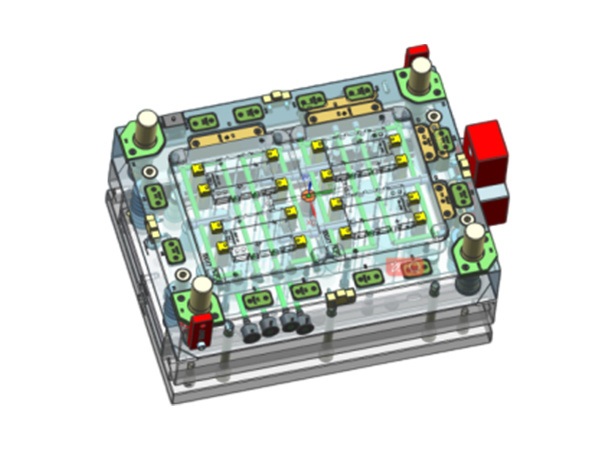
The advent of smart technology has led to the integration of digital displays, touchscreen interfaces, and connectivity features into dashboards. These advancements require manufacturers to consider how injection molding techniques can accommodate these technologies while maintaining aesthetic appeal. Custom molds are often designed to integrate screens and sensors seamlessly, ensuring a cohesive look and feel.
6. Environmental Considerations in Injection Molding
As sustainability becomes increasingly important in manufacturing, automotive companies are exploring eco-friendly injection molding practices. This includes using recycled plastics and developing processes that reduce energy consumption and waste. Sustainable practices not only appeal to environmentally conscious consumers but also contribute to a company’s overall brand reputation.
7. Future Trends in Auto Dashboard Aesthetics
Looking ahead, several trends are likely to shape the aesthetics of auto dashboards. These include the increased use of sustainable materials, the integration of augmented reality displays, and a focus on minimalistic designs that prioritize user experience. Understanding these trends will be crucial for manufacturers aiming to stay ahead in a competitive market.
8. Frequently Asked Questions (FAQs)
Q1: What materials are commonly used in auto dashboard production?
A1: Common materials include ABS, Polycarbonate, and Polypropylene, known for their durability, lightweight nature, and aesthetic flexibility.
Q2: How does gas-assisted injection molding improve dashboard aesthetics?
A2: Gas-assisted injection molding reduces material usage, minimizes weight, and enhances surface finish, leading to smoother designs with better aesthetics.
Q3: What is the role of ergonomics in dashboard design?
A3: Ergonomics ensures that controls are intuitively placed and accessible, enhancing user experience and safety.
Q4: How can 3D printing benefit dashboard manufacturing?
A4: 3D printing allows for rapid prototyping and design iterations, enabling manufacturers to test and refine designs before mass production.
Q5: What are some emerging trends in dashboard design?
A5: Trends include the use of sustainable materials, integration of smart technology, and a focus on minimalistic design aesthetics.
9. Conclusion
The automotive industry is witnessing a transformation in dashboard design driven by advancements in injection molding techniques and a growing focus on aesthetics. By leveraging innovative manufacturing processes, selecting high-quality materials, and embracing new technologies, manufacturers can create dashboards that not only look great but also enhance the overall driving experience. As consumer expectations continue to evolve, staying ahead of these trends will be crucial for success in the competitive automotive market.
Related news