IML Plastic Injection Parts: A Sustainable Approach to Manufacturing
IML Plastic Injection Parts: A Sustainable Approach to Manufacturing Table of Contents 1. Introduction to IML Plastic Injection Parts 2. What is In-Mold Labeling (IML)? 3. Benefits of IML in Plastic Injection Molding 4. Sustainability and Environmental Impact of IML 5. The IML Manufacturing Process Explained 6. Applications of IML in Various Industries 7. Challenges of
2026-02-27
IML Plastic Injection Parts: A Sustainable Approach to Manufacturing
Table of Contents
- 1. Introduction to IML Plastic Injection Parts
- 2. What is In-Mold Labeling (IML)?
- 3. Benefits of IML in Plastic Injection Molding
- 4. Sustainability and Environmental Impact of IML
- 5. The IML Manufacturing Process Explained
- 6. Applications of IML in Various Industries
- 7. Challenges of IML and How to Overcome Them
- 8. The Future of IML Technology in Manufacturing
- 9. Frequently Asked Questions (FAQs)
- 10. Conclusion
1. Introduction to IML Plastic Injection Parts
In the rapidly evolving landscape of manufacturing, **In-Mold Labeling (IML)** has emerged as a groundbreaking technique for producing plastic injection parts. The method combines the processes of labeling and molding, allowing manufacturers to create visually appealing and functional products in a single step. As businesses strive for more sustainable practices, IML presents an innovative solution that not only enhances product durability and aesthetics but also minimizes waste.
2. What is In-Mold Labeling (IML)?
IML is a sophisticated technique that involves placing a label within the mold cavity before the injection of plastic. Once the molten plastic is injected, it encapsulates the label, resulting in a seamless bond between the label and the product. This method is primarily used for products that require high-quality graphics and branding, making it a popular choice in industries such as food packaging, consumer goods, and automotive components.
The IML Process in Detail
The IML process can be broken down into several key steps:
1. **Label Preparation:** High-quality labels made from durable materials are printed and cut to size.
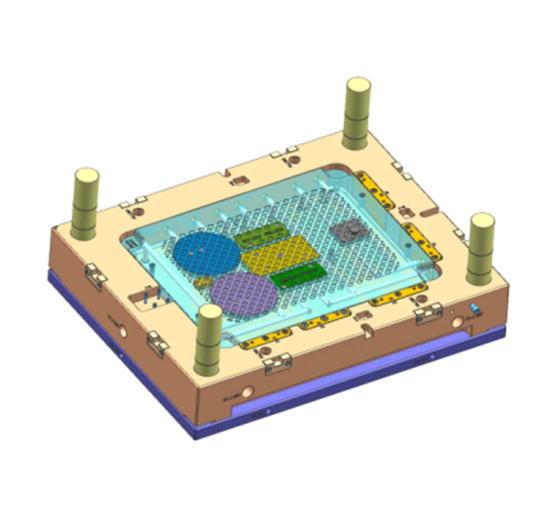
2. **Mold Setup:** The prepared labels are placed into the mold.
3. **Injection Molding:** Molten plastic is injected into the mold, encapsulating the labels.
4. **Cooling and Ejection:** The molded product is cooled, solidified, and ejected from the mold.
3. Benefits of IML in Plastic Injection Molding
IML offers a multitude of advantages over traditional labeling methods, making it an attractive choice for manufacturers:
Enhanced Aesthetics
The integration of labels in the molding process eliminates the need for secondary operations, providing a more polished and professional appearance.
Durability
IML labels are resistant to scratches, chemicals, and fading, ensuring that the product maintains its visual appeal over time.
Cost-Effective Production
By combining labeling and molding into one process, manufacturers can significantly reduce labor costs and production time.
Design Flexibility
IML allows for intricate designs and vibrant colors, enabling brands to create eye-catching packaging that stands out on store shelves.
4. Sustainability and Environmental Impact of IML
As industries face increasing pressure to adopt sustainable practices, IML shines as a responsible manufacturing option. The method contributes to sustainability in various ways:
Waste Reduction
IML minimizes waste by eliminating the need for adhesive labels, which often end up in landfills. Since the label is integrated into the product, there is no excess material to discard.
Recyclability
Products made using IML can be designed for easier recycling, as the materials used can often be processed together without contamination.
Lower Energy Consumption
The efficiency of the IML process can lead to lower energy consumption per unit produced, further reducing environmental impact.
5. The IML Manufacturing Process Explained
Understanding the intricacies of the IML manufacturing process is crucial for manufacturers looking to implement this technique effectively.
Material Selection
Choosing the right materials is essential for successful IML production. Common materials include polypropylene (PP) and polystyrene (PS), which are well-suited for injection molding.
Machine Requirements
IML production requires specialized equipment, including injection molding machines equipped with IML capabilities. These machines must be capable of precise temperature control and timing to ensure proper label placement and adhesion.
Quality Control
Implementing rigorous quality control measures throughout the IML process is vital. This includes regular inspections of labels, molds, and final products to ensure they meet industry standards.
6. Applications of IML in Various Industries
IML technology is versatile and can be adapted for use in numerous sectors:
Food and Beverage Packaging
IML is widely used for containers such as yogurt cups and food trays, where hygiene and durability are paramount.
Consumer Goods
Products like cosmetic containers and household items benefit from the attractive designs and robust labeling provided by IML.
Automotive Parts
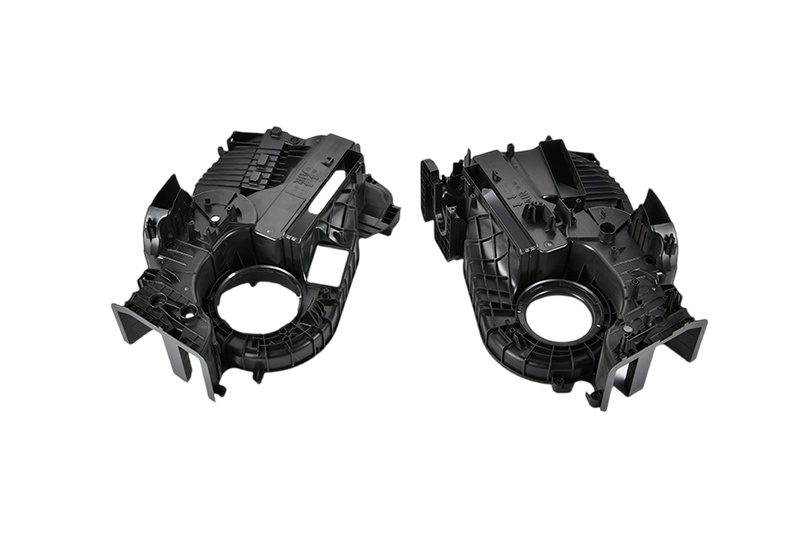
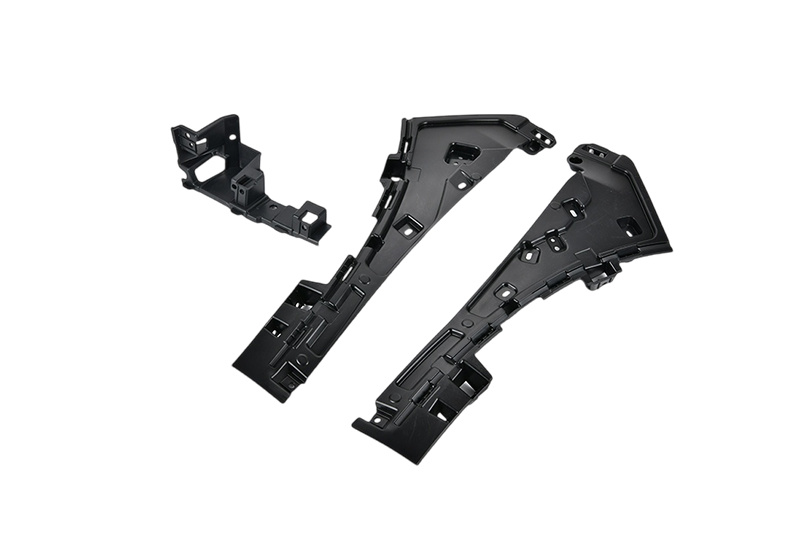
IML is increasingly being used in the automotive industry for interior components, providing both aesthetic appeal and resistance to wear and tear.
7. Challenges of IML and How to Overcome Them
While IML offers numerous benefits, there are also challenges that manufacturers may face:
Initial Investment Costs
The upfront costs of IML machinery and technology can be significant. However, manufacturers can offset these costs through long-term savings in production efficiency and waste reduction.
Technical Expertise
Implementing IML requires specialized knowledge and training. Companies can invest in training programs to equip their workforce with the necessary skills.
Design Limitations
Certain complex designs may pose challenges in the IML process. Manufacturers should work closely with design teams to develop feasible solutions that maintain product integrity.
8. The Future of IML Technology in Manufacturing
As industries continue to prioritize sustainability and efficiency, the future of IML technology looks promising. Innovations in materials, machinery, and processes are expected to enhance the capabilities of IML, making it an increasingly popular choice for manufacturers worldwide.
Growing Demand for Sustainable Solutions
As consumers become more environmentally conscious, the demand for sustainable manufacturing practices will drive the adoption of IML technology.
Advancements in 3D Printing
Integrating 3D printing with IML could revolutionize the production of complex shapes and designs, further expanding the application possibilities.
9. Frequently Asked Questions (FAQs)
What materials are commonly used in IML?
Common materials for IML include polypropylene (PP) and polystyrene (PS), known for their compatibility with the injection molding process.
Is IML environmentally friendly?
Yes, IML is considered environmentally friendly due to its waste reduction capabilities and potential for recyclability.
What industries benefit from IML technology?
IML technology is utilized in various industries, including food packaging, consumer goods, and automotive components, among others.
How does IML improve product durability?
IML labels are encapsulated within the molded product, making them resistant to scratches, chemicals, and fading, thereby enhancing overall durability.
What are the initial costs associated with implementing IML?
While the initial investment in IML machinery can be significant, companies can achieve long-term savings through reduced production costs and waste management.
10. Conclusion
IML plastic injection parts represent a significant advancement in the pursuit of sustainable manufacturing. By integrating labeling into the molding process, manufacturers can produce high-quality, durable products while minimizing waste and environmental impact. As industries continue to evolve, embracing IML technology will not only meet consumer demands for sustainability but also enhance operational efficiency and product appeal. The future of IML is bright, and those who adopt this innovative approach will undoubtedly gain a competitive edge in the market.
Related news