IML Plastic Injection Parts: A Comprehensive Overview for Engineers
IML Plastic Injection Parts: A Comprehensive Overview for Engineers Table of Contents What is In-Mold Labeling (IML)? The Importance of IML in Injection Molding How IML Works Advantages of IML Plastic Injection Parts Applications of IML Injection Molding Choosing the Right IML System for Your Needs Common Challenges and Solutions in IML Future Trends in IML Technol
2026-05-10
IML Plastic Injection Parts: A Comprehensive Overview for Engineers
Table of Contents
- What is In-Mold Labeling (IML)?
- The Importance of IML in Injection Molding
- How IML Works
- Advantages of IML Plastic Injection Parts
- Applications of IML Injection Molding
- Choosing the Right IML System for Your Needs
- Common Challenges and Solutions in IML
- Future Trends in IML Technology
- Frequently Asked Questions (FAQs)
What is In-Mold Labeling (IML)?
In-Mold Labeling (IML) is a cutting-edge manufacturing process that integrates labeling and plastic injection molding into a single operation. During this process, a pre-printed label is placed inside a mold before the plastic material is injected. As the plastic solidifies, it adheres to the label, resulting in a product that features both high-quality graphics and enhanced durability.
This innovative approach is increasingly favored in various industries due to its ability to produce visually appealing and functional plastic parts in a streamlined manner. By eliminating the need for secondary labeling processes, IML significantly reduces production time and operational costs.
The Importance of IML in Injection Molding
IML has revolutionized the way manufacturers approach plastic injection molding. Its significance lies in its ability to combine aesthetic appeal with functional performance. Here are several key reasons why IML is important in the industry:
1. Enhanced Product Quality
IML technology allows for the production of high-quality labels that are resistant to wear and tear. This results in products that not only look good but also have a longer shelf life. The encapsulation of the label within the plastic helps to protect it from scratches and fading, maintaining the product’s visual integrity.
2. Improved Production Efficiency
By merging the labeling and molding processes, IML streamlines production workflows. This efficiency reduces the overall manufacturing time and minimizes labor costs, making it an attractive option for companies looking to increase their profitability.
3. Eco-Friendly Alternatives
IML processes often utilize recyclable materials, aligning with the growing demand for sustainable manufacturing practices. This eco-conscious approach helps companies meet regulatory requirements and consumer expectations for environmentally friendly products.
How IML Works
The IML process involves several crucial steps:
1. Design and Preparation
The first step is designing the label, which can include intricate graphics, barcodes, or product information. The label is pre-printed on a substrate that is compatible with the molding process.
2. Mold Setup
Once the labels are ready, they are placed inside a specially designed mold. This mold is crucial for ensuring proper adhesion between the label and the injected plastic.
3. Injection Molding
After the labels are secured in the mold, the chosen plastic material is injected at high pressure. As the plastic fills the mold cavity, it encapsulates the label, bonding the two materials together.
4. Cooling and Ejection
Once the plastic has cooled and solidified, the mold opens, and the finished product is ejected. The result is a single unit that features a fully integrated label.
Advantages of IML Plastic Injection Parts
The adoption of IML technology offers numerous advantages for manufacturers and engineers alike:
1. Cost-Effectiveness
By reducing the need for separate labeling processes, IML minimizes material waste and labor costs. This leads to lower production costs overall, making it a cost-effective solution for businesses.
2. Aesthetic Versatility
IML allows for high-resolution graphics and intricate designs that would be challenging to achieve with traditional labeling methods. The result is a more visually appealing product that captures consumer attention.
3. Durability and Longevity
The labels produced through IML are resistant to various environmental factors, including moisture, UV light, and chemicals. This durability enhances the longevity of the product, making it suitable for both indoor and outdoor applications.
4. Customization Options
IML technology supports a wide range of customization options, allowing engineers to create unique products tailored to specific market needs. This adaptability can give businesses a competitive edge in their industry.
Applications of IML Injection Molding
IML plastic injection parts find applications across various industries, showcasing their versatility:
1. Food and Beverage Packaging
IML is widely used in the production of containers and packaging for food and beverage products. The labels can withstand moisture and thermal conditions, ensuring that they maintain their integrity throughout the product’s lifecycle.
2. Consumer Goods
From household products to personal care items, IML technology is employed to produce attractive and functional packaging that enhances brand appeal and facilitates consumer recognition.
3. Automotive Components
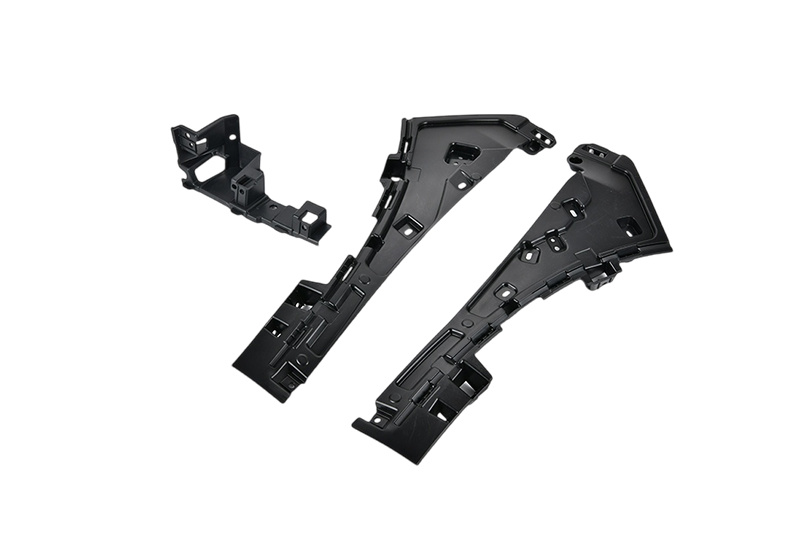
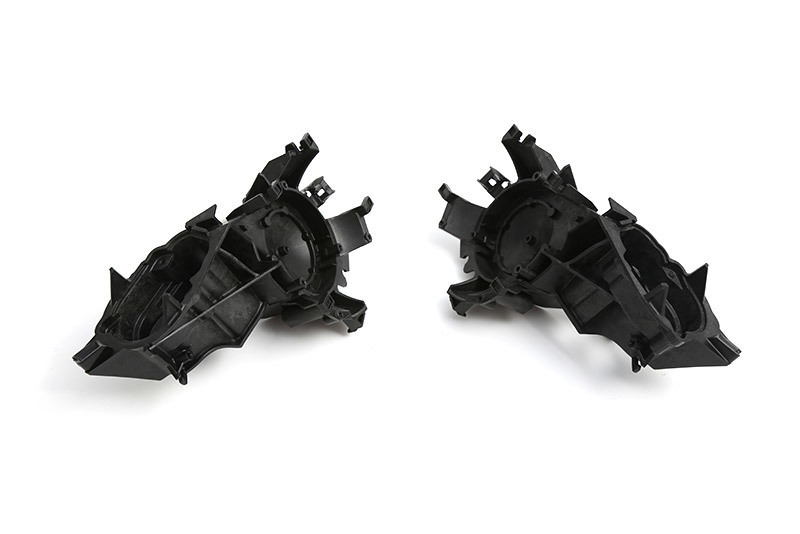
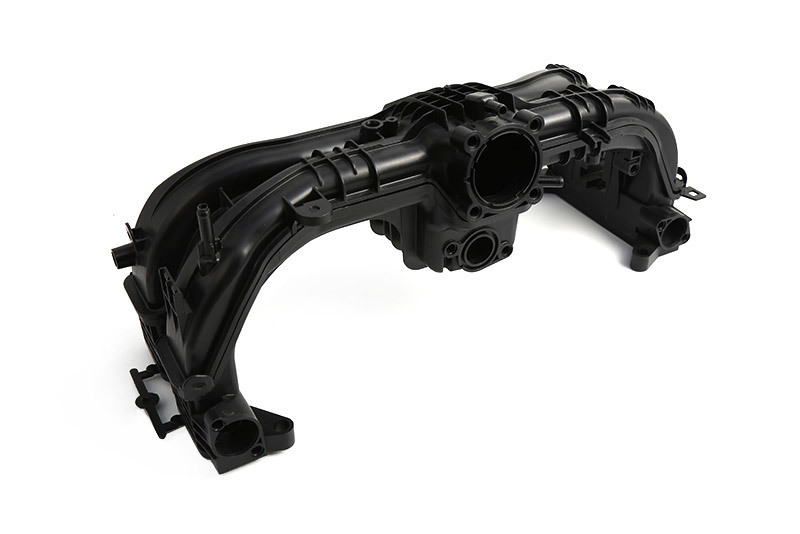
Many automotive manufacturers utilize IML for producing dashboard components, trim pieces, and other interior parts. The ability to create complex designs while ensuring durability makes IML an ideal choice in this sector.
4. Electronics and Appliances
IML is also prevalent in the electronics industry, where it is used for producing housings and casings that require both aesthetic appeal and resistance to wear and tear.
Choosing the Right IML System for Your Needs
Selecting the appropriate IML system is crucial for achieving optimal production outcomes. Engineers should consider several factors:
1. Material Compatibility
Ensure that the IML system is compatible with the specific types of plastic materials you intend to use. Different polymers may require unique processing conditions.
2. Production Volume
Determine the expected production volume to select a system that can efficiently meet your manufacturing demands. Larger volumes may necessitate more sophisticated machinery.
3. Design Complexity
The complexity of the designs you wish to implement will influence the choice of IML system. Advanced systems are capable of handling intricate label designs with ease.
4. Budget Constraints
Lastly, consider your financial resources. While investing in high-quality IML systems can yield better long-term results, it’s essential to find a solution that aligns with your budget.
Common Challenges and Solutions in IML
Despite its many advantages, the IML process can present challenges. Here are some common issues and their potential solutions:
1. Label Misalignment
Misalignment of labels during the injection process can lead to aesthetic flaws. To mitigate this, ensure precise mold design and utilize sensors to monitor label placement.
2. Adhesion Issues
Inadequate adhesion between the label and plastic can compromise product quality. Choosing the right adhesives and surface treatments can significantly enhance bonding.
3. Production Speed Limitations
Some IML systems may have slower cycle times compared to traditional methods. Investing in high-speed machinery can help overcome this challenge.
4. Design Limitations
Complex designs may pose challenges in terms of mold fabrication. Collaborating with experienced mold designers can provide innovative solutions to overcome design hurdles.
Future Trends in IML Technology
As technology continues to evolve, so do the capabilities of IML. Some anticipated trends include:
1. Smart Labeling
The integration of smart labeling technology, incorporating QR codes and augmented reality, is set to revolutionize how consumers interact with products, enhancing marketing opportunities.
2. Sustainability Focus
With growing environmental concerns, the development of biodegradable and recyclable materials for IML applications will likely become a priority, aligning with global sustainability goals.
3. Advanced Automation
The adoption of automation in IML processes is expected to increase, leading to greater efficiency and reduced labor costs.
4. Customization and Personalization
As consumer preferences shift towards personalization, IML technology will evolve to accommodate customized production runs, allowing businesses to cater to individual customer needs.
Frequently Asked Questions (FAQs)
1. What materials are compatible with IML?
IML is typically compatible with a variety of thermoplastics, including polypropylene, polyethylene, and polystyrene. Each material may require specific processing conditions.
2. How does IML compare to traditional labeling methods?
IML offers several advantages over traditional methods, including enhanced durability, improved aesthetics, and reduced production time, making it a preferred choice for many manufacturers.
3. Can IML be used for large production runs?
Yes, IML is highly efficient and suitable for large production runs, providing consistent quality and reducing costs associated with secondary labeling processes.
4. Are there any limitations to IML technology?
While IML has many advantages, it may not be suitable for all applications, particularly those requiring extreme flexibility or specific mechanical properties.
5. What industries benefit the most from IML?
Industries such as food and beverage, consumer goods, automotive, and electronics benefit significantly from IML technology due to its efficiency and quality enhancements.
Conclusion
In conclusion, IML plastic injection parts represent a significant advancement in the manufacturing sector, merging aesthetic appeal with functional performance. By understanding the intricacies of IML technology, engineers can leverage its benefits to enhance product quality, reduce costs, and streamline production processes. As we move forward, the future of IML promises even greater innovations, solidifying its place as a cornerstone in modern manufacturing. Embracing this technology will undoubtedly pave the way for engineers to create superior products that meet the ever-evolving demands of the market.
Related news