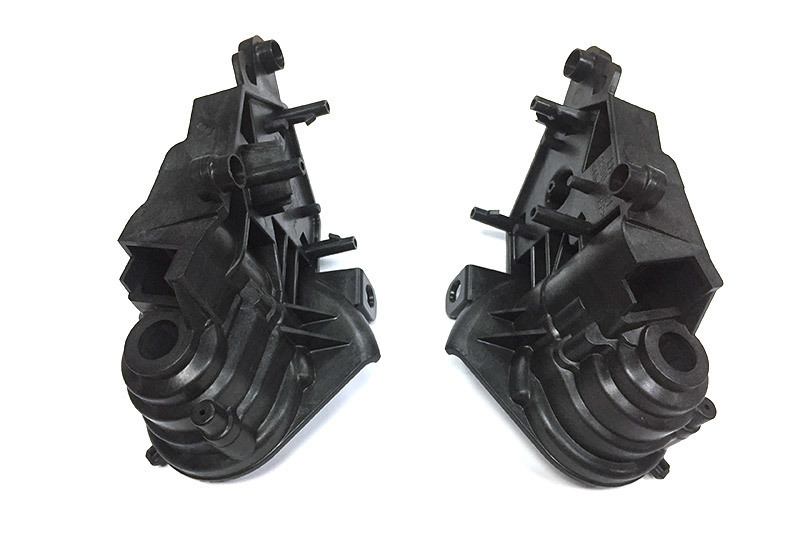
Understanding Plastic Injection Molds for Vehicle Trim: A Comprehensive Guide
Plastic injection molding is a vital process in the production of various automotive components, especially vehicle trim parts. These parts play a significant role in both the aesthetics and functionality of vehicles. When it comes to manufacturing vehicle trim, utilizing high-quality plastic injection molds is essential for achieving precise dimensions, intricate designs, and improved production
2026-04-28
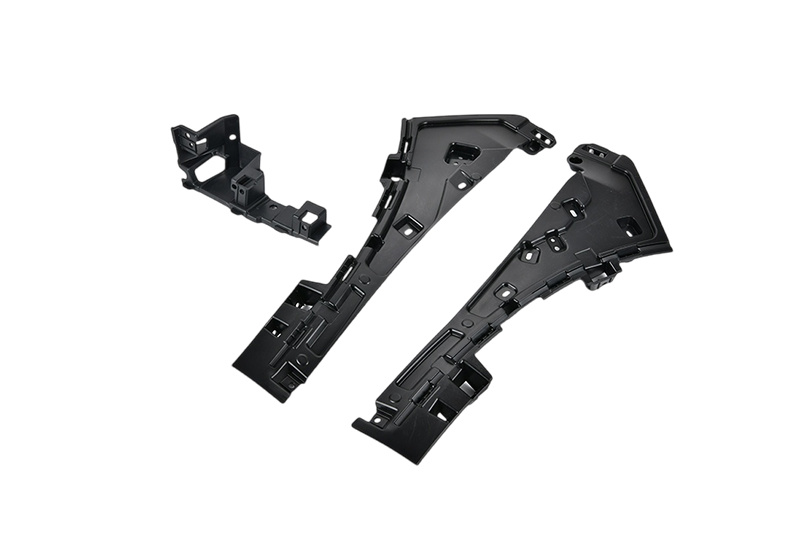
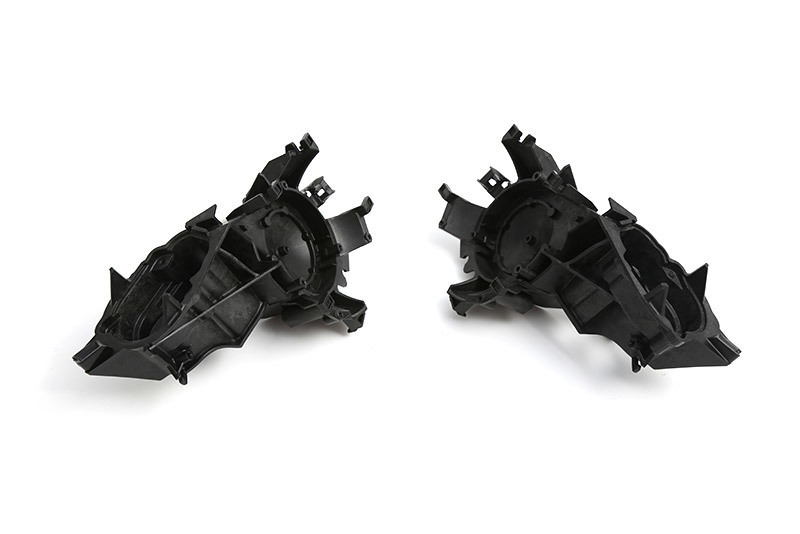
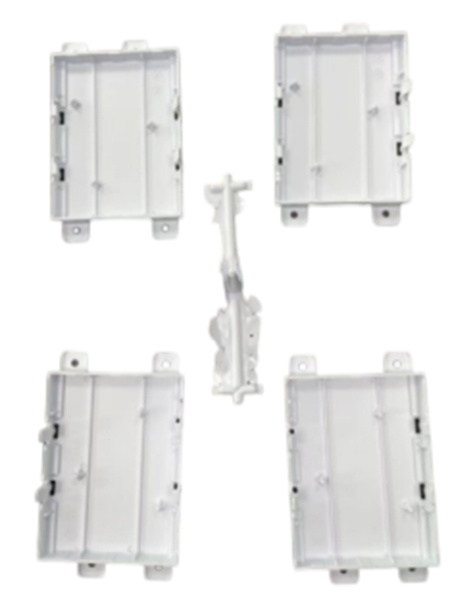
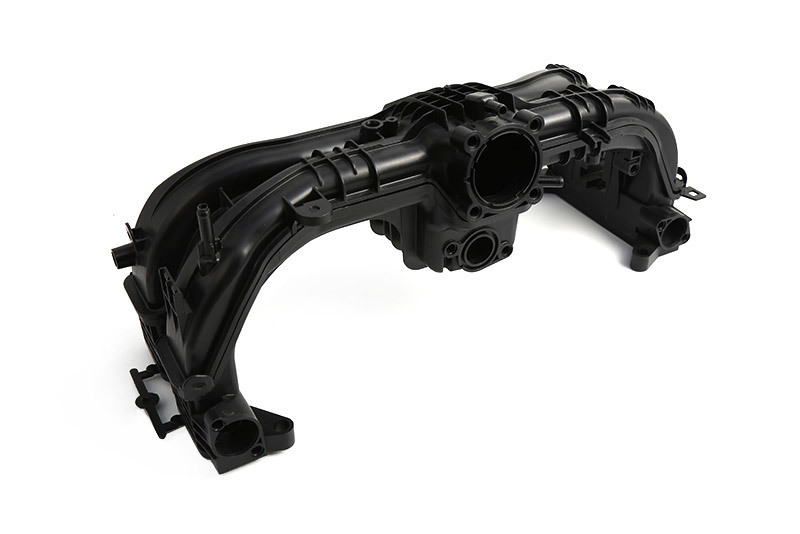
Plastic injection molding is a vital process in the production of various automotive components, especially vehicle trim parts. These parts play a significant role in both the aesthetics and functionality of vehicles. When it comes to manufacturing vehicle trim, utilizing high-quality plastic injection molds is essential for achieving precise dimensions, intricate designs, and improved production efficiency.
The process begins with the design of the mold, which serves as a blueprint for the final product. Engineers typically use computer-aided design (CAD) software to create detailed 3D models of the trim components. This stage is crucial, as it allows for the identification of any potential design flaws early in the process, ultimately saving time and resources.
Once the design is finalized, the production of the mold itself begins. Precision machining techniques are employed to ensure that every detail of the mold is replicated accurately. High-grade materials, such as steel or aluminum, are often selected for mold construction to ensure durability and longevity. This durability is particularly important in automotive applications, where molds may undergo extensive use over time.
The injection molding process involves heating plastic pellets until they melt, after which the molten plastic is injected into the mold under high pressure. This creates a solid component that takes on the shape of the mold. The ability to produce complex geometries and detailed features makes plastic injection molding an ideal choice for vehicle trim, as these parts often require unique shapes to fit seamlessly with the vehicle's design.
One of the significant advantages of plastic injection molds for vehicle trim is the efficiency of mass production. Once the mold is produced, it can be used to create thousands of identical parts at a rapid rate. This scalability not only reduces manufacturing costs but also shortens lead times, allowing for quicker response to market demands.
Additionally, plastic injection molds offer design flexibility, enabling manufacturers to incorporate various textures, colors, and finishes into the vehicle trim parts. This capability is essential in the automotive industry, where customization and brand differentiation are key factors in consumer appeal.
In conclusion, plastic injection molds for vehicle trim are an indispensable component of modern automotive manufacturing. Understanding their design, production process, and benefits can significantly enhance the efficiency and quality of vehicle trim production. By leveraging advanced technologies and materials, manufacturers can create superior trim components that meet the high standards of the automotive industry, ensuring that vehicles not only perform well but also look great.
The process begins with the design of the mold, which serves as a blueprint for the final product. Engineers typically use computer-aided design (CAD) software to create detailed 3D models of the trim components. This stage is crucial, as it allows for the identification of any potential design flaws early in the process, ultimately saving time and resources.
Once the design is finalized, the production of the mold itself begins. Precision machining techniques are employed to ensure that every detail of the mold is replicated accurately. High-grade materials, such as steel or aluminum, are often selected for mold construction to ensure durability and longevity. This durability is particularly important in automotive applications, where molds may undergo extensive use over time.
The injection molding process involves heating plastic pellets until they melt, after which the molten plastic is injected into the mold under high pressure. This creates a solid component that takes on the shape of the mold. The ability to produce complex geometries and detailed features makes plastic injection molding an ideal choice for vehicle trim, as these parts often require unique shapes to fit seamlessly with the vehicle's design.
One of the significant advantages of plastic injection molds for vehicle trim is the efficiency of mass production. Once the mold is produced, it can be used to create thousands of identical parts at a rapid rate. This scalability not only reduces manufacturing costs but also shortens lead times, allowing for quicker response to market demands.
Additionally, plastic injection molds offer design flexibility, enabling manufacturers to incorporate various textures, colors, and finishes into the vehicle trim parts. This capability is essential in the automotive industry, where customization and brand differentiation are key factors in consumer appeal.
In conclusion, plastic injection molds for vehicle trim are an indispensable component of modern automotive manufacturing. Understanding their design, production process, and benefits can significantly enhance the efficiency and quality of vehicle trim production. By leveraging advanced technologies and materials, manufacturers can create superior trim components that meet the high standards of the automotive industry, ensuring that vehicles not only perform well but also look great.
Related news