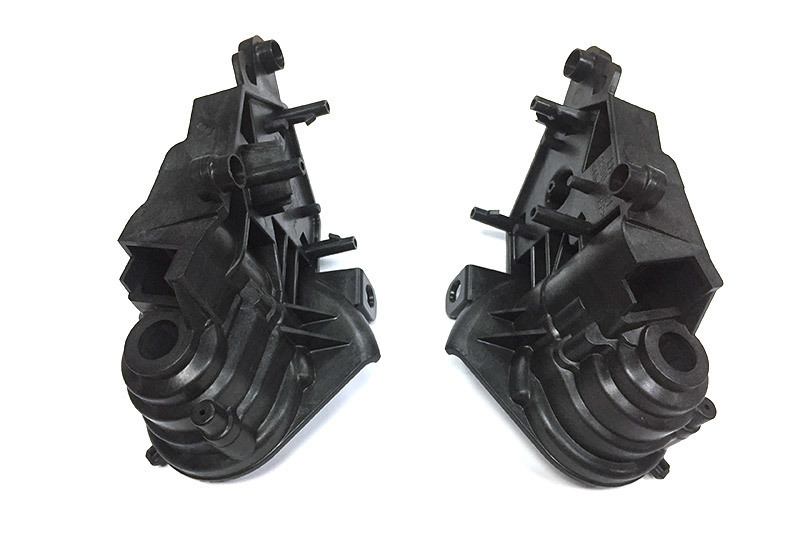
Optimizing Injection Molds for Efficient Drain Tray Production
Injection molds play a pivotal role in the manufacturing process of various plastic products, including drain trays. These trays are essential in numerous applications, such as kitchen, bathroom, and industrial settings, where efficient drainage and water management are required. Understanding the intricacies of injection molds for drain trays can significantly enhance production efficiency and pr
2026-04-20
Injection molds play a pivotal role in the manufacturing process of various plastic products, including drain trays. These trays are essential in numerous applications, such as kitchen, bathroom, and industrial settings, where efficient drainage and water management are required. Understanding the intricacies of injection molds for drain trays can significantly enhance production efficiency and product quality.
One of the primary considerations in the design of injection molds for drain trays is the mold geometry. A well-designed mold must accommodate the specific shape and features of the drain tray, including any intricate designs, drainage channels, and ribbing that facilitate water flow. The mold should also allow for adequate venting to prevent air traps, which can lead to defects in the final product. Hence, engaging with experienced mold designers can help ensure that the mold accurately reflects the intended design while minimizing production challenges.
Material selection is another crucial factor when creating injection molds for drain trays. The most commonly used materials include steel and aluminum, each offering distinct advantages. Steel molds are durable and can withstand high production volumes, while aluminum molds are lighter and more cost-effective for shorter runs. Additionally, the choice of plastic resins used to produce the drain trays, such as polypropylene or polyethylene, can influence the mold design and production process. Understanding the thermal properties of these materials is essential to achieving optimal cycle times and product characteristics.
When it comes to manufacturing efficiency, optimizing the injection molding process is vital. This includes selecting the appropriate injection speed, temperature, and pressure to ensure consistent filling and cooling of the mold. Employing advanced technologies such as computer-aided design (CAD) and computer-aided manufacturing (CAM) can further streamline the mold design and production processes, reducing lead times and enhancing precision.
Quality control is equally important in the production of drain trays. Implementing rigorous testing and inspection protocols ensures that the final products meet the required standards. This may involve checking for dimensional accuracy, surface finish, and functional performance, particularly the effectiveness of drainage features.
In conclusion, the successful production of drain trays using injection molds hinges on several critical factors, including mold design, material selection, and process optimization. By paying attention to these elements, manufacturers can improve efficiency, reduce waste, and deliver high-quality products that meet market demands. Investing time and resources into these aspects will ultimately lead to a more competitive position in the manufacturing landscape of plastic components.
One of the primary considerations in the design of injection molds for drain trays is the mold geometry. A well-designed mold must accommodate the specific shape and features of the drain tray, including any intricate designs, drainage channels, and ribbing that facilitate water flow. The mold should also allow for adequate venting to prevent air traps, which can lead to defects in the final product. Hence, engaging with experienced mold designers can help ensure that the mold accurately reflects the intended design while minimizing production challenges.
Material selection is another crucial factor when creating injection molds for drain trays. The most commonly used materials include steel and aluminum, each offering distinct advantages. Steel molds are durable and can withstand high production volumes, while aluminum molds are lighter and more cost-effective for shorter runs. Additionally, the choice of plastic resins used to produce the drain trays, such as polypropylene or polyethylene, can influence the mold design and production process. Understanding the thermal properties of these materials is essential to achieving optimal cycle times and product characteristics.
When it comes to manufacturing efficiency, optimizing the injection molding process is vital. This includes selecting the appropriate injection speed, temperature, and pressure to ensure consistent filling and cooling of the mold. Employing advanced technologies such as computer-aided design (CAD) and computer-aided manufacturing (CAM) can further streamline the mold design and production processes, reducing lead times and enhancing precision.
Quality control is equally important in the production of drain trays. Implementing rigorous testing and inspection protocols ensures that the final products meet the required standards. This may involve checking for dimensional accuracy, surface finish, and functional performance, particularly the effectiveness of drainage features.
In conclusion, the successful production of drain trays using injection molds hinges on several critical factors, including mold design, material selection, and process optimization. By paying attention to these elements, manufacturers can improve efficiency, reduce waste, and deliver high-quality products that meet market demands. Investing time and resources into these aspects will ultimately lead to a more competitive position in the manufacturing landscape of plastic components.
Related news