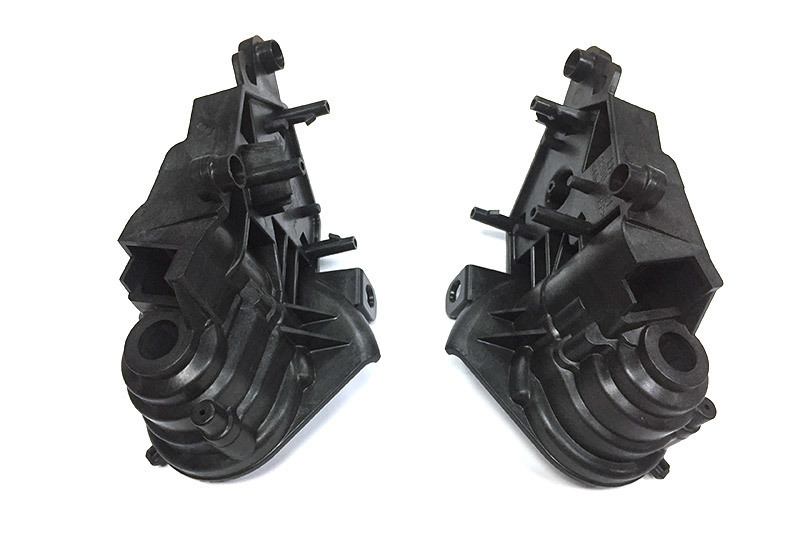
Key Considerations for Designing Injection Molds for Air Intake Pipe Assembly
Injection molding is a critical process in the manufacturing of components like air intake pipe assemblies, which play a significant role in automotive and aerospace applications. By employing precise and efficient injection molds, manufacturers can achieve high-quality parts with complex geometries. This article discusses key considerations in the design and production of injection molds specific
2026-05-06
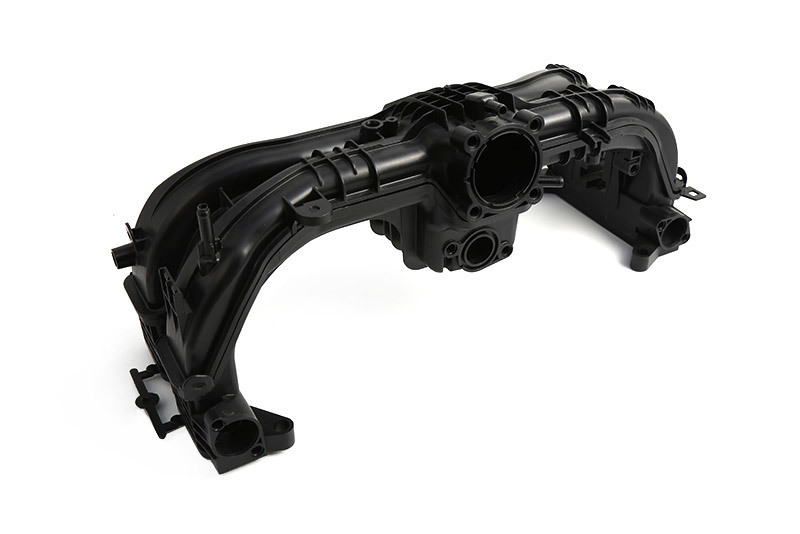
Injection molding is a critical process in the manufacturing of components like air intake pipe assemblies, which play a significant role in automotive and aerospace applications. By employing precise and efficient injection molds, manufacturers can achieve high-quality parts with complex geometries. This article discusses key considerations in the design and production of injection molds specifically for air intake pipe assemblies.
First and foremost, understanding the material selection is crucial when designing injection molds for air intake pipe assemblies. Typically, these components are made from high-performance plastics or polymers that withstand high temperatures and pressures associated with engine operations. Materials such as polyamide (nylon) or polypropylene are often preferred due to their excellent thermal resistance and mechanical properties. A thorough analysis of the material’s behavior during the injection molding process will aid in reducing defects and ensuring product longevity.
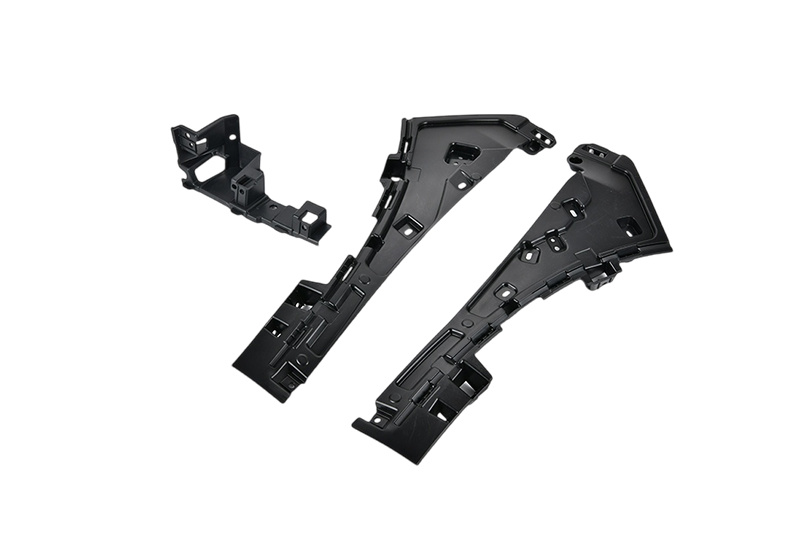
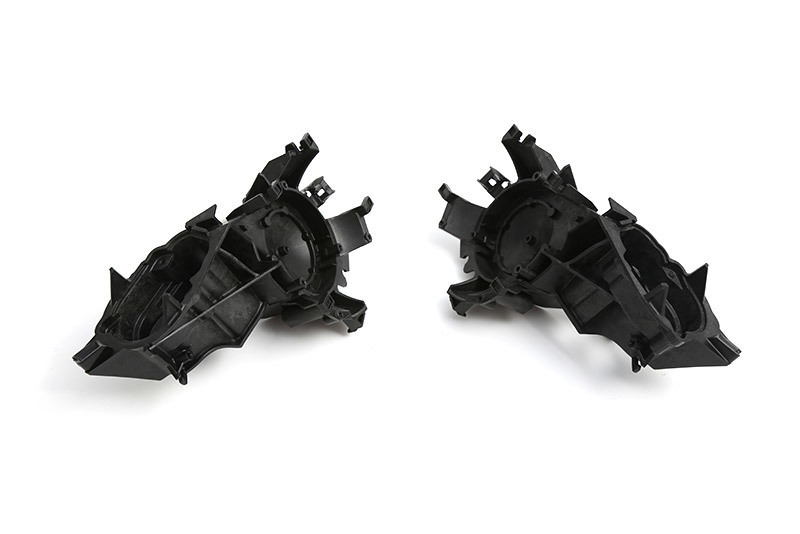
Next, the design of the mold itself must account for the intricate shapes and features of air intake pipes. This may involve incorporating features like ribs, bosses, or undercuts, which enhance the structural integrity of the final product. Mold flow analysis software can be beneficial in simulating the injection process, allowing designers to visualize how the molten material will flow through the mold cavities. This step is vital to identify potential issues such as air traps or incomplete filling that could compromise the quality of the part.
Another important consideration is the cooling system integrated into the mold. Proper cooling channels are essential for maintaining uniform temperatures throughout the injection cycle, thereby reducing cycle times and improving the overall efficiency of the manufacturing process. Precision in cooling design minimizes warpage and dimensional variations, which is critical for the precise fit required in air intake assemblies.
Furthermore, the manufacturing tolerances associated with injection molds for air intake pipe assemblies should be meticulously planned. Precision machining techniques must be employed to ensure that all mold components meet specified tolerances. This level of accuracy is particularly important because any deviations can lead to significant issues in the performance of the air intake system, potentially affecting engine efficiency.
Finally, consider the importance of a comprehensive quality control protocol during the injection molding process. Regular inspections and testing of sample parts can help identify defects early, allowing for immediate corrective actions. Techniques such as non-destructive testing and dimensional verification are essential to ensure that the molded parts meet the stringent standards expected in the automotive industry.
In conclusion, designing injection molds for air intake pipe assemblies involves a multifaceted approach that prioritizes material selection, mold design, cooling efficiency, tolerance management, and rigorous quality control. By focusing on these critical aspects, manufacturers can produce high-quality components that meet the demanding requirements of modern automotive applications.
First and foremost, understanding the material selection is crucial when designing injection molds for air intake pipe assemblies. Typically, these components are made from high-performance plastics or polymers that withstand high temperatures and pressures associated with engine operations. Materials such as polyamide (nylon) or polypropylene are often preferred due to their excellent thermal resistance and mechanical properties. A thorough analysis of the material’s behavior during the injection molding process will aid in reducing defects and ensuring product longevity.
Next, the design of the mold itself must account for the intricate shapes and features of air intake pipes. This may involve incorporating features like ribs, bosses, or undercuts, which enhance the structural integrity of the final product. Mold flow analysis software can be beneficial in simulating the injection process, allowing designers to visualize how the molten material will flow through the mold cavities. This step is vital to identify potential issues such as air traps or incomplete filling that could compromise the quality of the part.
Another important consideration is the cooling system integrated into the mold. Proper cooling channels are essential for maintaining uniform temperatures throughout the injection cycle, thereby reducing cycle times and improving the overall efficiency of the manufacturing process. Precision in cooling design minimizes warpage and dimensional variations, which is critical for the precise fit required in air intake assemblies.
Furthermore, the manufacturing tolerances associated with injection molds for air intake pipe assemblies should be meticulously planned. Precision machining techniques must be employed to ensure that all mold components meet specified tolerances. This level of accuracy is particularly important because any deviations can lead to significant issues in the performance of the air intake system, potentially affecting engine efficiency.
Finally, consider the importance of a comprehensive quality control protocol during the injection molding process. Regular inspections and testing of sample parts can help identify defects early, allowing for immediate corrective actions. Techniques such as non-destructive testing and dimensional verification are essential to ensure that the molded parts meet the stringent standards expected in the automotive industry.
In conclusion, designing injection molds for air intake pipe assemblies involves a multifaceted approach that prioritizes material selection, mold design, cooling efficiency, tolerance management, and rigorous quality control. By focusing on these critical aspects, manufacturers can produce high-quality components that meet the demanding requirements of modern automotive applications.
Related news