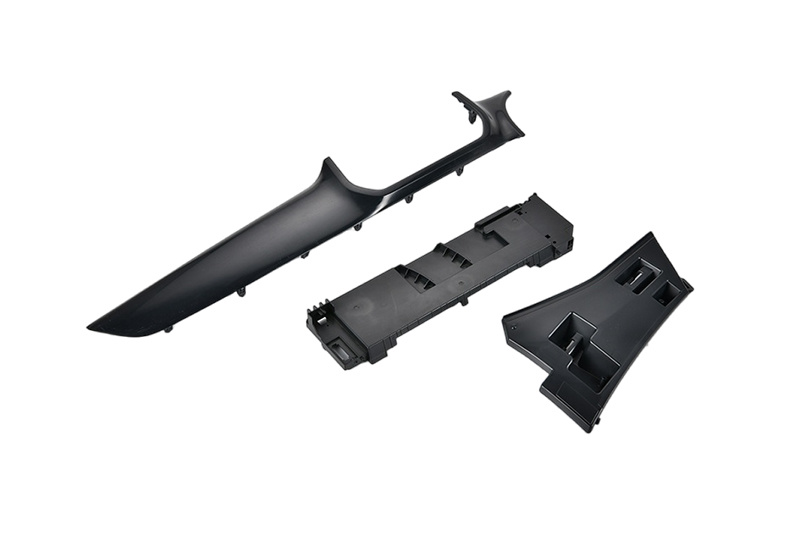
Common Challenges in Automotive Mold Manufacturing for Dashboard Pipes
Common Challenges in Automotive Mold Manufacturing for Dashboard Pipes In the rapidly evolving automotive industry, the production of dashboard pipes involves a complex blend of engineering precision and creative design. As manufacturers strive for efficiency and quality, several challenges emerge in the mold manufacturing process. This article will explore these challenges in depth, offering insi
2026-05-18
Common Challenges in Automotive Mold Manufacturing for Dashboard Pipes
In the rapidly evolving automotive industry, the production of dashboard pipes involves a complex blend of engineering precision and creative design. As manufacturers strive for efficiency and quality, several challenges emerge in the mold manufacturing process. This article will explore these challenges in depth, offering insights into effective solutions and best practices.
Table of Contents
1. Introduction to Dashboard Pipes and Their Importance
2. Mold Design Challenges in Dashboard Pipe Manufacturing
- 2.1 Dealing with Complex Geometries
- 2.2 Material Selection for Durability and Performance
3. Challenges in Manufacturing Processes
- 3.1 Precision Engineering Techniques
- 3.2 Optimizing Cycle Time for Efficiency
4. Quality Control Challenges in Mold Manufacturing
- 4.1 Effective Testing Methods for Dashboard Pipes
- 4.2 Importance of Non-Destructive Testing
5. Sustainability Considerations in Mold Manufacturing
6. Technological Advancements in Mold Manufacturing
7. Conclusion: Navigating the Challenges in Automotive Mold Manufacturing
8. Frequently Asked Questions (FAQs)
Introduction to Dashboard Pipes and Their Importance
Dashboard pipes play a crucial role in automotive design, providing not only functionality but also contributing to the aesthetics and overall user experience. These components must meet stringent safety regulations while maintaining a lightweight and durable design. As vehicles become more advanced, the demand for high-quality dashboard pipes intensifies, making effective mold manufacturing practices essential.
Mold Design Challenges in Dashboard Pipe Manufacturing
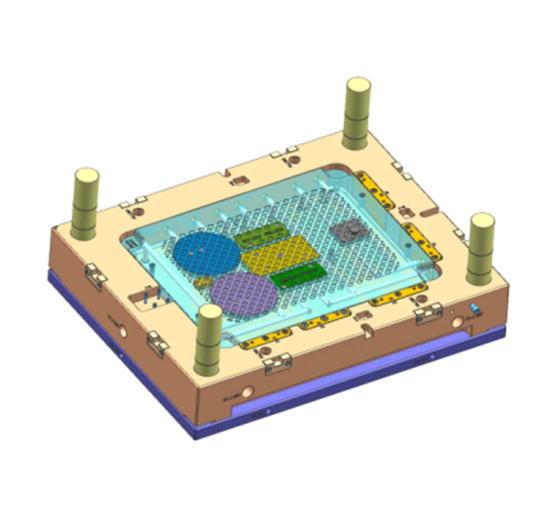
The design phase of mold manufacturing is fundamental to the success of producing dashboard pipes. Several challenges arise during this stage, which can significantly impact production efficiency and product quality.
Dealing with Complex Geometries
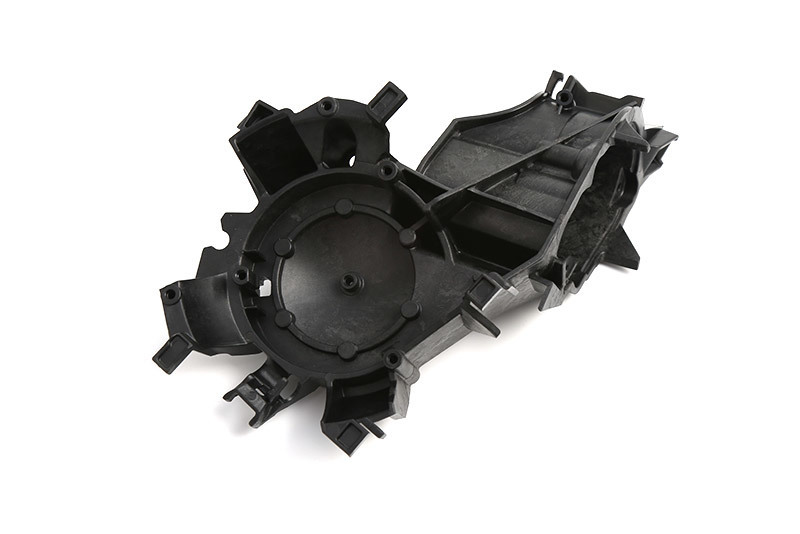
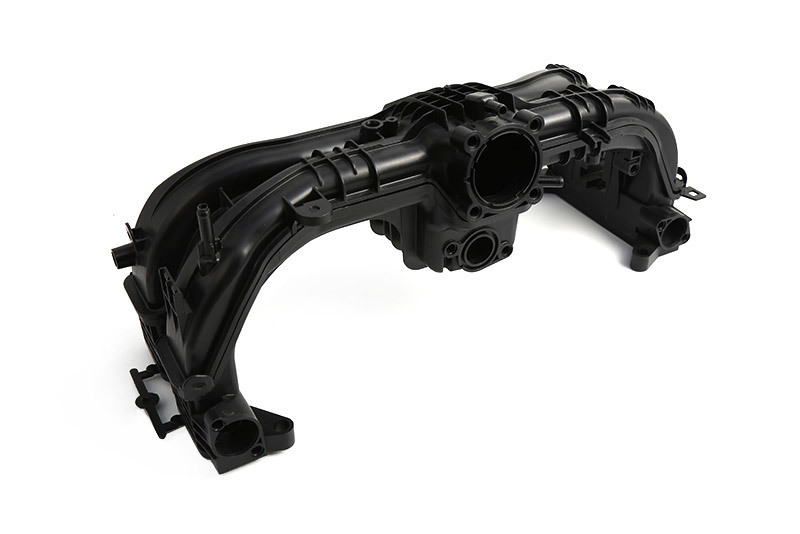
Modern automotive designs often necessitate intricate and complex geometries for dashboard pipes. Creating molds that accurately replicate these designs requires sophisticated software and advanced engineering techniques. Designers must overcome challenges such as:
- **Ensuring Parting Line Management**: Effective parting line design is crucial for preventing flash and ensuring a smooth surface finish.
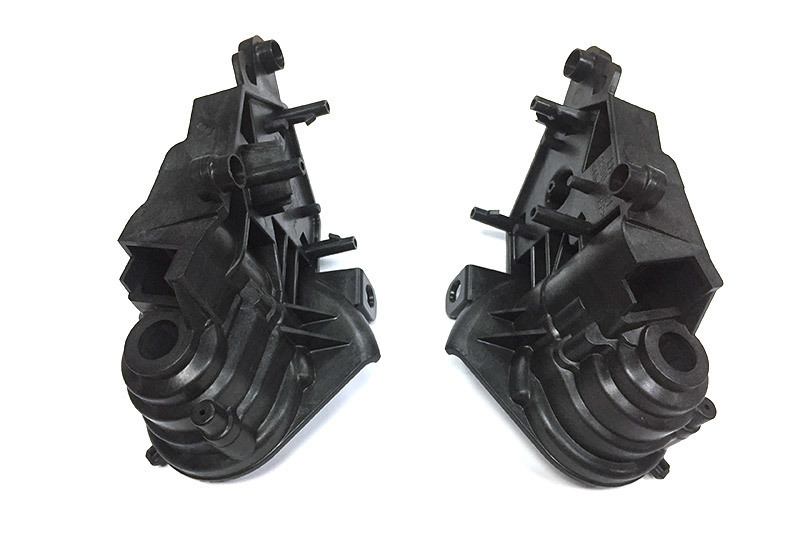
- **Incorporating Features**: Molds may need to accommodate features such as ribs, cut-outs, and mounting points, adding complexity to the design.
- **Draft Angles**: Properly calculating draft angles is essential to ensure easy ejection of the molded parts without damaging the surface finish.
Material Selection for Durability and Performance
Choosing the right materials for both the molds and the dashboard pipes themselves is a significant challenge. Factors to consider include:
- **Thermal Stability**: Molds must withstand high temperatures during the injection molding process, requiring materials that can maintain structural integrity.
- **Wear Resistance**: High-quality molds can wear down over time, necessitating the selection of durable materials to extend mold life.
- **Cost-Effectiveness**: Balancing cost with performance can be tricky, as high-performance materials often come with a higher price tag.
Challenges in Manufacturing Processes
Once the mold design is finalized, the next step involves the manufacturing processes, which come with their own set of challenges.
Precision Engineering Techniques
Achieving precision during the manufacturing process is critical to ensure the final product meets quality standards. Challenges include:
- **Machining Tolerances**: Maintaining tight tolerances is essential for proper fit and function, but can be difficult to achieve consistently.
- **Tooling Errors**: Errors during the tooling process can lead to defects in the dashboard pipes, necessitating thorough inspection and potential rework.
Optimizing Cycle Time for Efficiency
In today’s competitive automotive market, reducing cycle times without compromising quality is vital. Common challenges in optimizing cycle times include:
- **Cooling Time Management**: Properly managing cooling time is crucial, as overheating can lead to defects and increased cycle times.
- **Process Automation**: Implementing automated processes can streamline production, but requires significant investment in technology and training.
Quality Control Challenges in Mold Manufacturing
Ensuring the quality of dashboard pipes produced is paramount but can be fraught with challenges.
Effective Testing Methods for Dashboard Pipes
Implementing effective testing methods is essential to ensure compliance with safety and performance standards. Challenges include:
- **Identifying Defects**: Early detection of defects can minimize waste and rework, but requires sophisticated testing methods and equipment.
- **Consistency in Quality**: Maintaining consistent quality across large production runs can be difficult, necessitating rigorous quality control procedures.
Importance of Non-Destructive Testing
Non-destructive testing (NDT) methods are crucial for ensuring the integrity of the dashboard pipes without causing damage. Common challenges associated with NDT include:
- **Cost of Implementation**: The initial investment in NDT technology can be significant, deterring some manufacturers from adopting these practices.
- **Training and Expertise**: Effective use of NDT requires skilled professionals, which may pose a challenge in terms of resources and training.
Sustainability Considerations in Mold Manufacturing
With increasing focus on sustainability, automotive manufacturers face challenges in adopting eco-friendly practices. Key considerations include:
- **Material Sourcing**: Sourcing sustainable materials while maintaining performance and cost-effectiveness is a growing challenge for mold manufacturers.
- **Waste Management**: Establishing effective waste management systems is essential to minimize environmental impact during the manufacturing process.
Technological Advancements in Mold Manufacturing
The automotive industry is witnessing rapid technological advancements that are transforming mold manufacturing processes. Challenges associated with these advancements include:
- **Integration of New Technologies**: Adopting new technologies such as 3D printing and advanced simulation software requires investment and expertise.
- **Staying Competitive**: Manufacturers must continuously innovate to stay ahead of competitors, which can be challenging in a fast-paced market.
Conclusion: Navigating the Challenges in Automotive Mold Manufacturing
The production of dashboard pipes in the automotive industry presents a myriad of challenges, from complex mold designs to maintaining quality and efficiency. By understanding these challenges and implementing effective strategies, manufacturers can enhance their mold manufacturing processes and contribute to the overall success of the automotive sector. Continuous innovation, investment in technology, and a commitment to quality are essential for overcoming these challenges and achieving excellence in automotive mold manufacturing.
Frequently Asked Questions (FAQs)
1. What are dashboard pipes, and why are they important in automotive manufacturing?
Dashboard pipes are components that facilitate the routing of various systems within a vehicle's dashboard. They are crucial for the proper functioning of electronic systems and contribute to overall vehicle safety and user experience.
2. What are the main challenges in mold design for dashboard pipes?
Challenges include managing complex geometries, ensuring proper draft angles, and selecting the right materials for durability and performance.
3. How can manufacturers optimize cycle times in dashboard pipe production?
Manufacturers can optimize cycle times by effectively managing cooling times, automating processes, and continuously monitoring production efficiency.
4. Why is quality control important in automotive mold manufacturing?
Quality control ensures that dashboard pipes meet safety standards and perform effectively, reducing the risk of defects and enhancing customer satisfaction.
5. What role does technology play in modern mold manufacturing?
Technology, including automation and advanced simulation tools, plays a pivotal role in improving precision, reducing cycle times, and enhancing overall manufacturing efficiency.
Related news