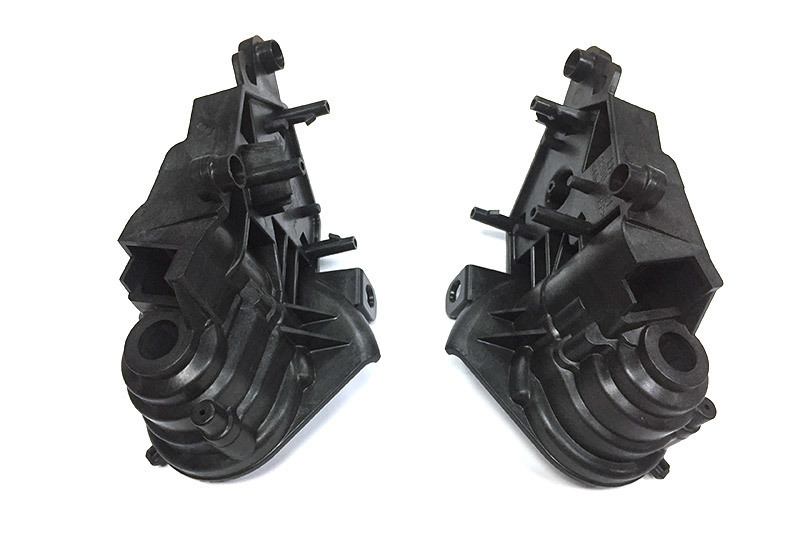
Essential Insights into Plastic Injection Molds for Vehicle Trim Manufacturing
Plastic injection molding is a pivotal process in the manufacturing of vehicle trim, which includes components such as moldings, bezels, and various interior parts. The efficiency of this process is largely determined by the quality and design of the plastic injection mold utilized. Understanding the intricacies of plastic injection molds for vehicle trim can significantly impact production effici
2026-05-22
Plastic injection molding is a pivotal process in the manufacturing of vehicle trim, which includes components such as moldings, bezels, and various interior parts. The efficiency of this process is largely determined by the quality and design of the plastic injection mold utilized. Understanding the intricacies of plastic injection molds for vehicle trim can significantly impact production efficiency and product quality.
The primary function of a plastic injection mold is to shape molten plastic into specific forms. For vehicle trim components, these molds must be designed to accommodate precise specifications that ensure a perfect fit and finish. Factors such as the mold's material, cooling channels, and ejection mechanisms play a crucial role in achieving optimal performance. High-quality molds can reduce cycle times and improve the overall manufacturing process, leading to cost savings and enhanced competitiveness in the automotive industry.
One of the most critical aspects to consider when designing a plastic injection mold for vehicle trim is the type of plastic material used. Different plastics possess unique properties that affect their suitability for specific applications. For instance, materials such as ABS, polycarbonate, and polypropylene are commonly used due to their favorable balance of strength, durability, and aesthetic qualities. Choosing the right material is essential not only for achieving the desired appearance but also for ensuring the longevity of the trim components in various environmental conditions.
In addition to material selection, the design of the mold itself must take into account factors such as draft angles, wall thickness, and surface finish. These elements are vital in ensuring ease of part release, reducing the likelihood of defects, and achieving the desired surface aesthetics. Utilizing computer-aided design (CAD) software during the mold design phase can significantly enhance the precision of these elements, facilitating better communication between design and manufacturing teams.
Furthermore, ongoing maintenance and regular inspections of plastic injection molds are crucial to sustain their performance over time. Routine maintenance can prevent issues that lead to downtime and production delays, ensuring that the molds continue to produce high-quality vehicle trim components.
In summary, the use of plastic injection molds in vehicle trim manufacturing is a complex but rewarding endeavor. By focusing on mold design, material selection, and maintenance, manufacturers can enhance the efficiency and quality of their production processes. As the automotive industry continues to evolve, staying informed about the advancements in plastic injection molding technology will be key to maintaining a competitive edge.
The primary function of a plastic injection mold is to shape molten plastic into specific forms. For vehicle trim components, these molds must be designed to accommodate precise specifications that ensure a perfect fit and finish. Factors such as the mold's material, cooling channels, and ejection mechanisms play a crucial role in achieving optimal performance. High-quality molds can reduce cycle times and improve the overall manufacturing process, leading to cost savings and enhanced competitiveness in the automotive industry.
One of the most critical aspects to consider when designing a plastic injection mold for vehicle trim is the type of plastic material used. Different plastics possess unique properties that affect their suitability for specific applications. For instance, materials such as ABS, polycarbonate, and polypropylene are commonly used due to their favorable balance of strength, durability, and aesthetic qualities. Choosing the right material is essential not only for achieving the desired appearance but also for ensuring the longevity of the trim components in various environmental conditions.
In addition to material selection, the design of the mold itself must take into account factors such as draft angles, wall thickness, and surface finish. These elements are vital in ensuring ease of part release, reducing the likelihood of defects, and achieving the desired surface aesthetics. Utilizing computer-aided design (CAD) software during the mold design phase can significantly enhance the precision of these elements, facilitating better communication between design and manufacturing teams.
Furthermore, ongoing maintenance and regular inspections of plastic injection molds are crucial to sustain their performance over time. Routine maintenance can prevent issues that lead to downtime and production delays, ensuring that the molds continue to produce high-quality vehicle trim components.
In summary, the use of plastic injection molds in vehicle trim manufacturing is a complex but rewarding endeavor. By focusing on mold design, material selection, and maintenance, manufacturers can enhance the efficiency and quality of their production processes. As the automotive industry continues to evolve, staying informed about the advancements in plastic injection molding technology will be key to maintaining a competitive edge.
Related news