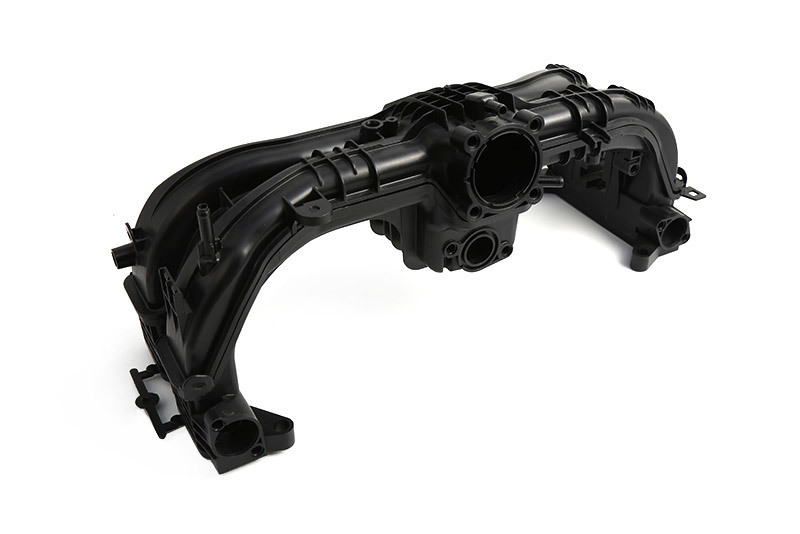
From Concept to Creation: The Journey of Injection Molding for Auto Dashboards
From Concept to Creation: The Journey of Injection Molding for Auto Dashboards Table of Contents 1. Introduction to Injection Molding in the Automotive Industry 2. Understanding Injection Molding: A Fundamental Overview 3. The Role of Auto Dashboards in Vehicle Design 4. Key Materials Used in Injection Molding for Dashboards 4.1 Thermoplastics: The Backbone of Dashboard Production 4.2 Thermosettin
2026-05-26
From Concept to Creation: The Journey of Injection Molding for Auto Dashboards
Table of Contents
1. Introduction to Injection Molding in the Automotive Industry
2. Understanding Injection Molding: A Fundamental Overview
3. The Role of Auto Dashboards in Vehicle Design
4. Key Materials Used in Injection Molding for Dashboards
4.1 Thermoplastics: The Backbone of Dashboard Production
4.2 Thermosetting Plastics: Advantages and Applications
5. The Step-by-Step Process of Injection Molding
5.1 Conceptualization: Designing the Perfect Dashboard
5.2 Prototyping: Creating the First Sample
5.3 Tooling: Manufacturing the Injection Molds
5.4 Production: The Actual Injection Molding Process
6. Innovations in Injection Molding Technology
7. Quality Control Measures in Dashboard Production
8. Challenges in Injection Molding for Auto Dashboards
9. Future Trends in Injection Molding for the Automotive Industry
10. Frequently Asked Questions (FAQs)
11. Conclusion
1. Introduction to Injection Molding in the Automotive Industry
Injection molding has revolutionized the automotive industry, providing efficient and cost-effective methods for manufacturing components. Among these, auto dashboards demand particular attention due to their complexity, aesthetics, and functionality. By utilizing advanced injection molding techniques, manufacturers can create dashboards that not only meet design specifications but also comply with safety standards and consumer preferences.
2. Understanding Injection Molding: A Fundamental Overview
Injection molding is a manufacturing process that involves injecting molten material into a mold to create a specific shape. This method is favored for its ability to produce large quantities of identical parts with high precision and minimal waste. The adaptability of this process allows for a wide range of materials and designs, making it ideal for components such as dashboards, which require intricate designs and robust performance.
3. The Role of Auto Dashboards in Vehicle Design
Auto dashboards serve as the central command center for vehicle operation. They house critical instruments such as speedometers, fuel gauges, and infotainment systems. The design of a dashboard is not merely about aesthetics; it significantly affects driver safety, comfort, and user experience. Therefore, manufacturers must focus on creating dashboards that seamlessly integrate form and function, enhancing the overall vehicle appeal.
4. Key Materials Used in Injection Molding for Dashboards
4.1 Thermoplastics: The Backbone of Dashboard Production
Thermoplastics are the most commonly used materials in the injection molding of auto dashboards. Materials such as ABS (Acrylonitrile Butadiene Styrene) and PC (Polycarbonate) are popular choices due to their excellent impact resistance, thermal stability, and ease of processing. Additionally, these materials can be readily colored and finished to meet aesthetic demands.
4.2 Thermosetting Plastics: Advantages and Applications
Thermosetting plastics are another category of materials used in dashboard manufacturing. Unlike thermoplastics, thermosetting materials, such as epoxy and phenolic resins, undergo a chemical change when heated, making them rigid and durable. Their resilience to heat and chemicals makes them suitable for specific applications in dashboard components, particularly where structural integrity is critical.
5. The Step-by-Step Process of Injection Molding
5.1 Conceptualization: Designing the Perfect Dashboard
The journey begins with the conceptualization phase, where designers and engineers collaborate to create the initial dashboard design. Utilizing CAD (Computer-Aided Design) software, they sketch and model various designs, considering ergonomics, aesthetics, and functionality. This stage is crucial as it lays the foundation for the entire manufacturing process.
5.2 Prototyping: Creating the First Sample
Once the design is finalized, prototyping takes place. This involves creating a physical model of the dashboard, often using 3D printing techniques. Prototypes allow for testing and validation of design elements, ensuring that all features function as intended before moving on to production.
5.3 Tooling: Manufacturing the Injection Molds
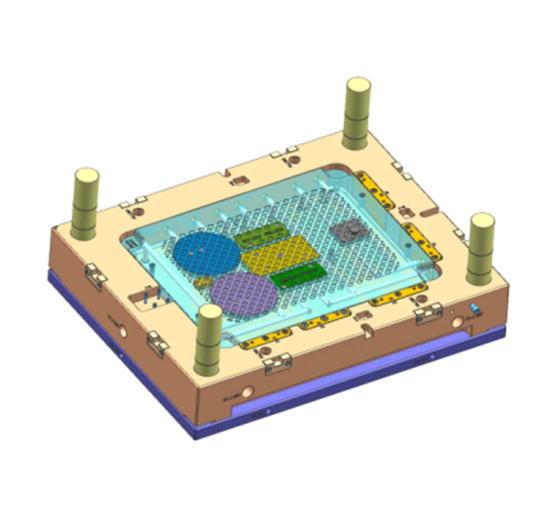
The tooling phase involves creating the molds used in the injection molding process. Molds are typically made from high-strength steel or aluminum and are designed according to the specifications of the dashboard. The precision of the mold design directly impacts the quality and accuracy of the final product.
5.4 Production: The Actual Injection Molding Process
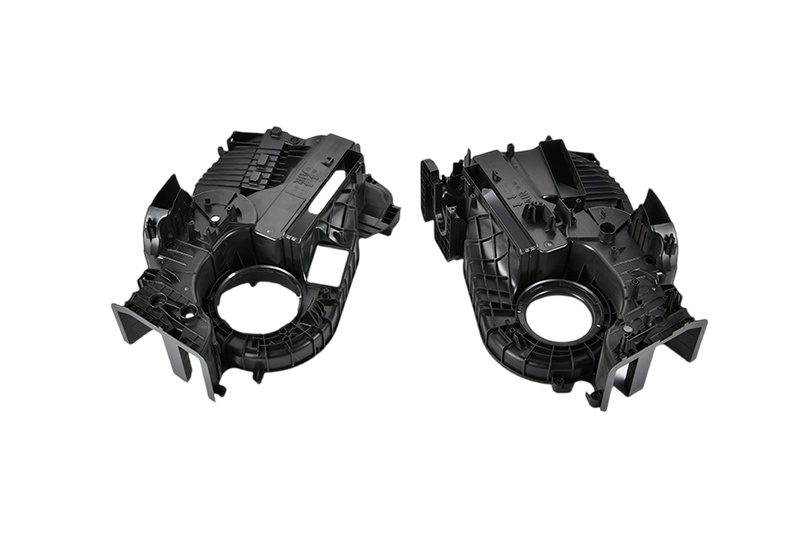
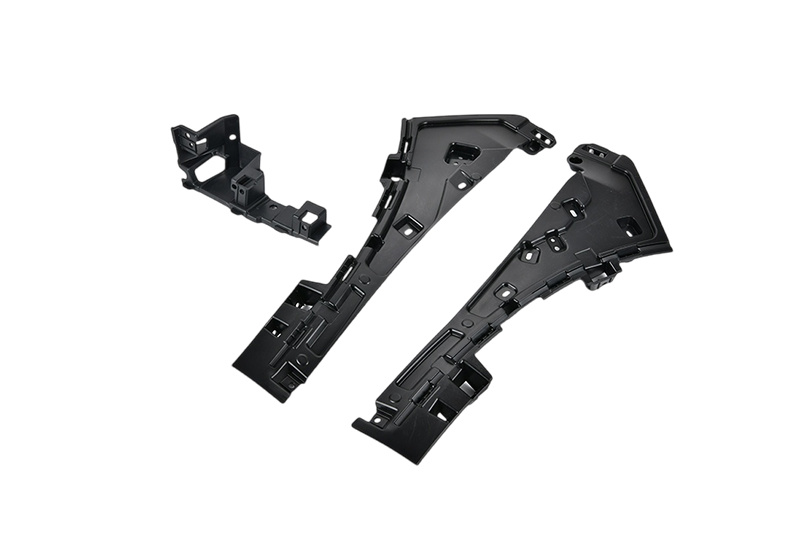
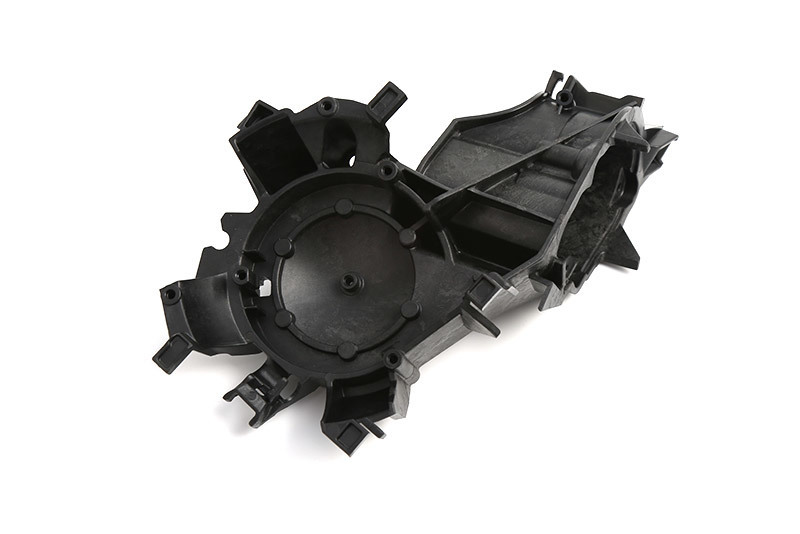
During the production phase, raw plastic material is heated until it melts and is then injected into the prepared molds under high pressure. Once cooled, the mold is opened, and the finished dashboard is ejected. This process can be repeated to produce thousands of identical parts efficiently.
6. Innovations in Injection Molding Technology
Recent advancements in injection molding technology have significantly enhanced the efficiency and quality of dashboard production. Innovations such as multi-material injection molding allow manufacturers to combine different materials in a single dashboard, creating parts with varied textures and functionalities. Additionally, advancements in automation and robotics have streamlined the production process, reducing labor costs and increasing output.
7. Quality Control Measures in Dashboard Production
Maintaining high-quality standards in dashboard production is essential to ensure safety and consumer satisfaction. Quality control measures include rigorous testing for durability, impact resistance, and surface finish. Manufacturers often implement a combination of automated inspections and manual checks to identify defects and ensure that each dashboard meets the required specifications.
8. Challenges in Injection Molding for Auto Dashboards
While injection molding offers numerous advantages, it is not without challenges. High tooling costs, particularly for complex mold designs, can be a significant barrier for manufacturers. Additionally, variations in material properties can lead to inconsistencies in the final product. Addressing these challenges requires careful planning, investment in technology, and a commitment to continuous improvement.
9. Future Trends in Injection Molding for the Automotive Industry
As the automotive industry evolves, so too does the technology used in injection molding. A major trend is the growing emphasis on sustainability. Manufacturers are increasingly exploring bio-based plastics and recyclable materials to reduce environmental impact. Furthermore, the integration of smart technologies into dashboards, such as touch interfaces and connected features, is reshaping design strategies and production methods.
10. Frequently Asked Questions (FAQs)
1. What is injection molding, and how is it used in dashboard production?
Injection molding is a manufacturing process that involves injecting molten plastic into a mold to create parts. In dashboard production, it allows for high-volume, precise manufacturing of complex shapes.
2. What materials are commonly used in the injection molding of auto dashboards?
Common materials include thermoplastics like ABS and PC, as well as thermosetting plastics such as epoxy resins, which provide durability and resistance to environmental factors.
3. How long does it take to produce a dashboard using injection molding?
The timeline can vary but typically ranges from several weeks to a few months, depending on the complexity of the design, tooling, and production volume.
4. What are the main benefits of using injection molding for dashboard manufacturing?
Benefits include high production efficiency, cost-effectiveness for large volumes, excellent precision, and the ability to produce intricate designs with various material properties.
5. How do manufacturers ensure the quality of injected dashboards?
Manufacturers implement stringent quality control measures, including automated and manual inspections, testing for durability and performance, and adherence to industry standards.
11. Conclusion
The journey of injection molding for auto dashboards is a fascinating blend of art and science. From the initial concept to the final product, each step requires careful consideration of materials, design, and technology. As the industry continues to evolve, staying abreast of innovations and trends will be essential for manufacturers aiming to produce high-quality, functional, and aesthetically pleasing dashboards. Through a commitment to quality and sustainability, the future of injection molding in the automotive sector holds immense potential.
Related news