Understanding Injection Molds for Air Intake Pipe Assemblies
Injection molding is one of the most efficient and cost-effective manufacturing processes in the production of plastic components, particularly for air intake pipe assemblies. These components play a crucial role in automotive systems, directing air into the engine for optimal performance. The design and quality of injection molds used in this process directly affect the functionality and durabili
2026-02-23
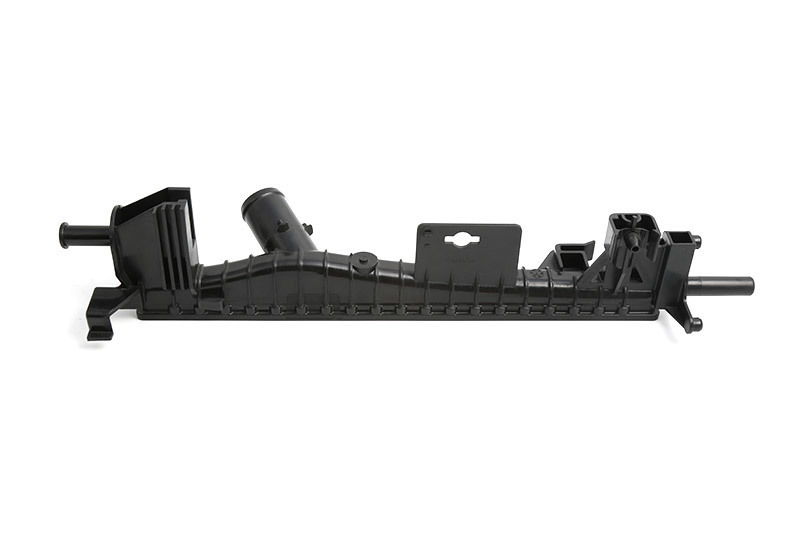
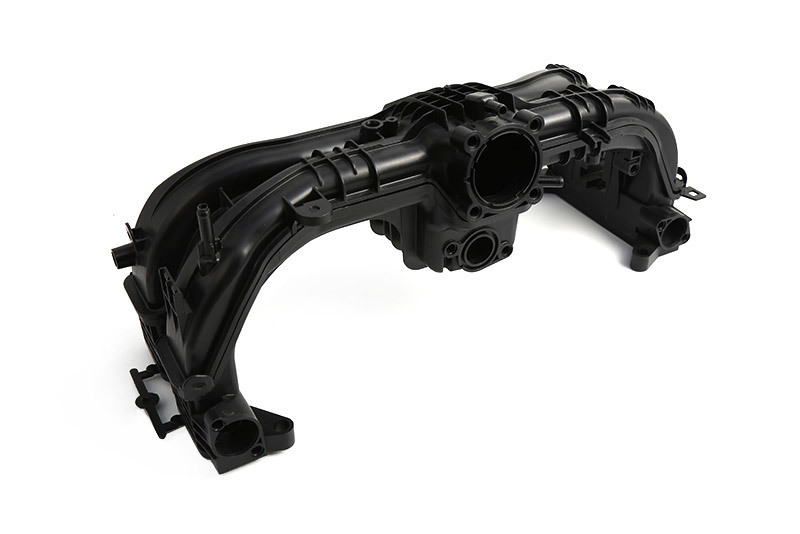
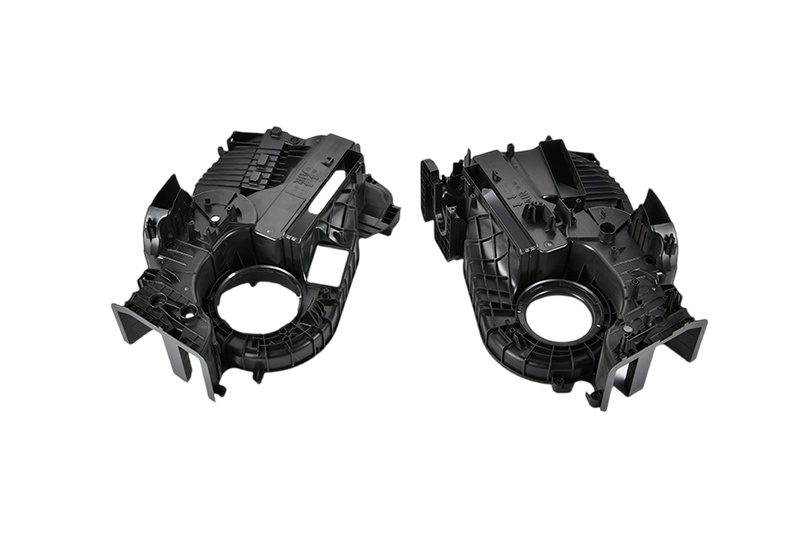
Injection molding is one of the most efficient and cost-effective manufacturing processes in the production of plastic components, particularly for air intake pipe assemblies. These components play a crucial role in automotive systems, directing air into the engine for optimal performance. The design and quality of injection molds used in this process directly affect the functionality and durability of the final product.
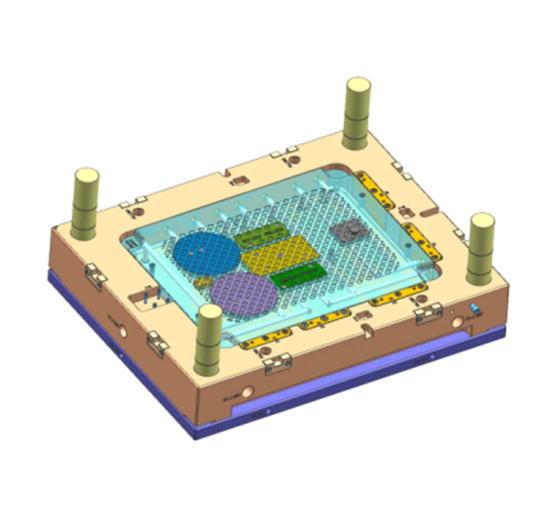
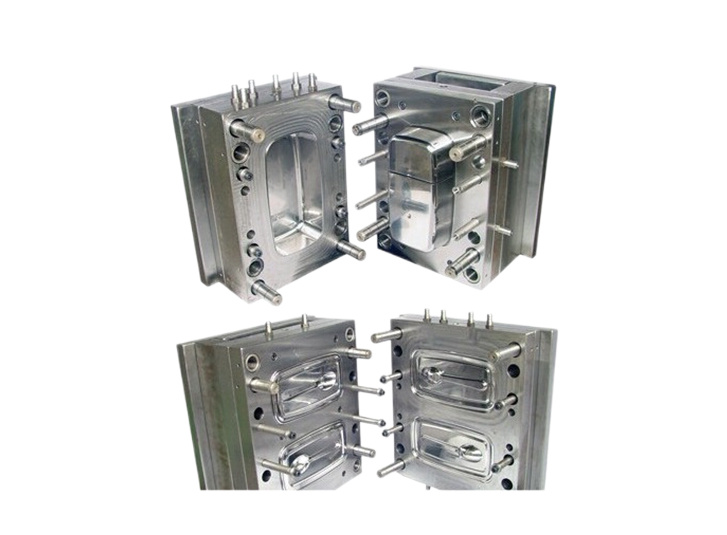
An injection mold for an air intake pipe assembly typically consists of two halves: the core and the cavity. The core creates the inner shape of the pipe, while the cavity forms the outer structure. These molds are meticulously designed using computer-aided design (CAD) software, allowing engineers to develop precise specifications that meet stringent automotive industry standards. The accuracy of the mold design ensures that the air intake pipes fit seamlessly within the engine compartment, minimizing the risk of leaks or performance issues.
The choice of materials for injection molds is another critical factor. High-quality steel or aluminum is often utilized due to their strength and durability, which can withstand the high pressures and temperatures during the injection molding process. Additionally, these materials are resistant to wear and tear, ensuring a longer lifespan for the mold itself. For air intake pipe assemblies, the selected plastic material must also possess characteristics such as heat resistance, chemical stability, and lightweight properties. Commonly used plastics include polypropylene and polyamide, which provide the necessary performance attributes while optimizing fuel efficiency.
One of the primary advantages of using injection molds for air intake pipe assemblies is the ability to produce large quantities of parts with high precision and consistency. This efficiency reduces production time, lowers labor costs, and minimizes waste, making it a favorable option for manufacturers aiming to meet market demands swiftly. Furthermore, injection molding allows for complex geometries and intricate designs that would be challenging to achieve with other manufacturing methods.
In addition to production efficiency, injection molding offers design flexibility. Engineers can easily modify mold designs to accommodate new specifications or enhance functionality without significant downtime. This adaptability is especially beneficial in the automotive industry, where rapid advancements in technology and changing regulations require manufacturers to stay ahead of the curve.
In conclusion, injection molds for air intake pipe assemblies are vital components in the manufacturing process, contributing to the overall performance and reliability of automotive systems. Understanding the intricacies of these molds, from design to material selection, can help manufacturers optimize their production processes while ensuring high-quality outputs. As the automotive industry continues to evolve, the importance of effective mold design and manufacturing techniques will remain paramount in delivering innovative solutions for air intake systems.
An injection mold for an air intake pipe assembly typically consists of two halves: the core and the cavity. The core creates the inner shape of the pipe, while the cavity forms the outer structure. These molds are meticulously designed using computer-aided design (CAD) software, allowing engineers to develop precise specifications that meet stringent automotive industry standards. The accuracy of the mold design ensures that the air intake pipes fit seamlessly within the engine compartment, minimizing the risk of leaks or performance issues.
The choice of materials for injection molds is another critical factor. High-quality steel or aluminum is often utilized due to their strength and durability, which can withstand the high pressures and temperatures during the injection molding process. Additionally, these materials are resistant to wear and tear, ensuring a longer lifespan for the mold itself. For air intake pipe assemblies, the selected plastic material must also possess characteristics such as heat resistance, chemical stability, and lightweight properties. Commonly used plastics include polypropylene and polyamide, which provide the necessary performance attributes while optimizing fuel efficiency.
One of the primary advantages of using injection molds for air intake pipe assemblies is the ability to produce large quantities of parts with high precision and consistency. This efficiency reduces production time, lowers labor costs, and minimizes waste, making it a favorable option for manufacturers aiming to meet market demands swiftly. Furthermore, injection molding allows for complex geometries and intricate designs that would be challenging to achieve with other manufacturing methods.
In addition to production efficiency, injection molding offers design flexibility. Engineers can easily modify mold designs to accommodate new specifications or enhance functionality without significant downtime. This adaptability is especially beneficial in the automotive industry, where rapid advancements in technology and changing regulations require manufacturers to stay ahead of the curve.
In conclusion, injection molds for air intake pipe assemblies are vital components in the manufacturing process, contributing to the overall performance and reliability of automotive systems. Understanding the intricacies of these molds, from design to material selection, can help manufacturers optimize their production processes while ensuring high-quality outputs. As the automotive industry continues to evolve, the importance of effective mold design and manufacturing techniques will remain paramount in delivering innovative solutions for air intake systems.
Related news