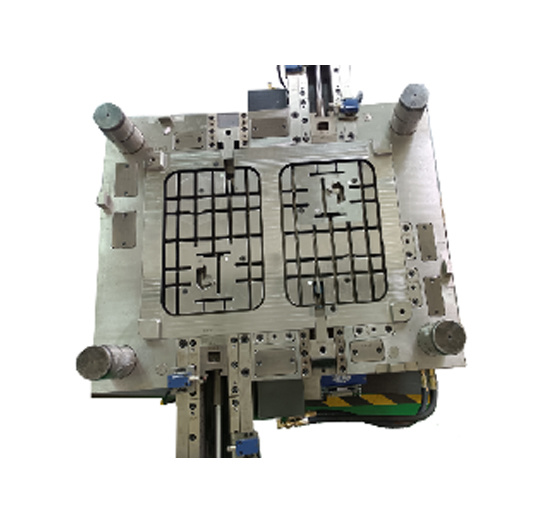
The Essential Guide to Plastic Injection Molds for Vehicle Trim
Plastic injection molding is a pivotal manufacturing technique in the automotive industry, especially when it comes to producing vehicle trim. This process involves injecting molten plastic into a mold to create various components that are not only functional but also enhance the aesthetic appeal of vehicles. Understanding the significance of plastic injection molds for vehicle trim is essential f
2026-03-11
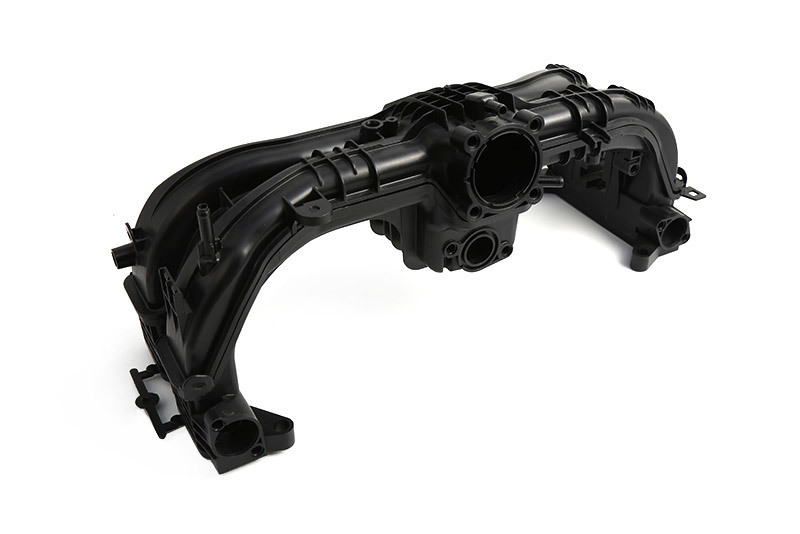
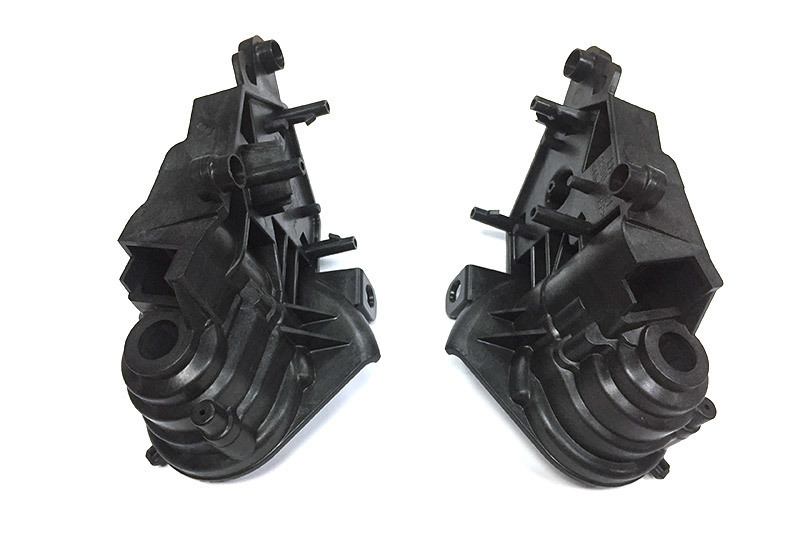
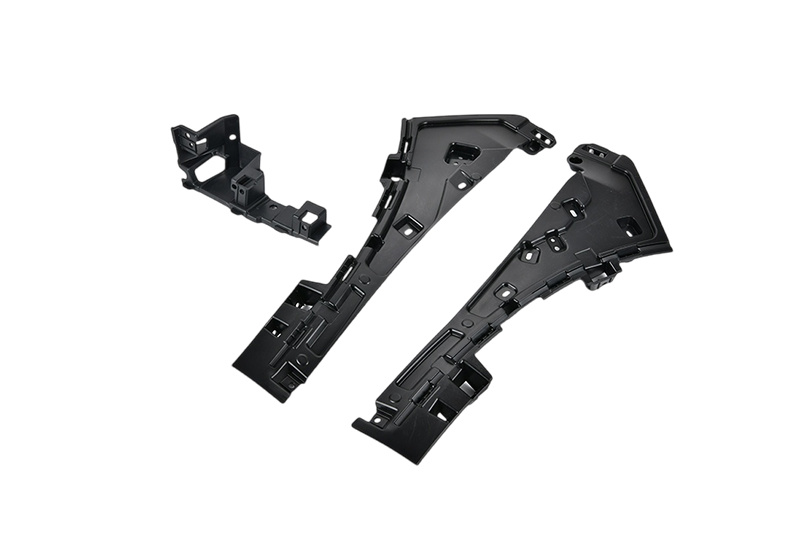
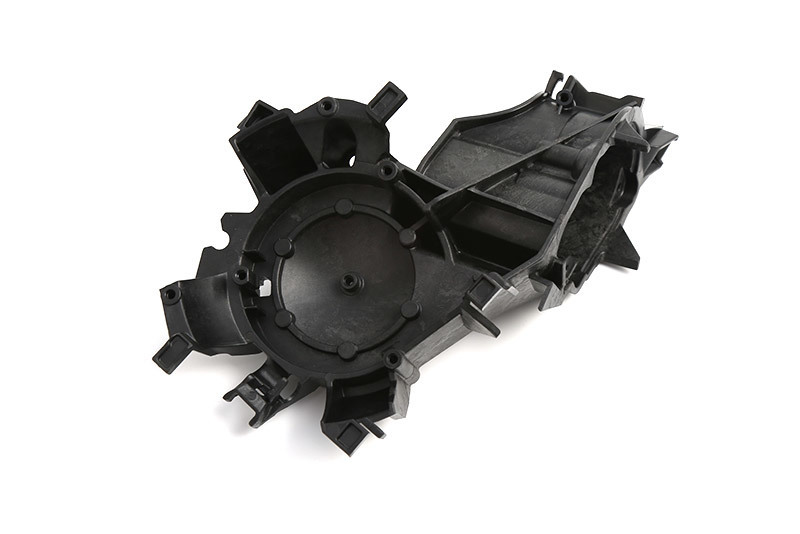
Plastic injection molding is a pivotal manufacturing technique in the automotive industry, especially when it comes to producing vehicle trim. This process involves injecting molten plastic into a mold to create various components that are not only functional but also enhance the aesthetic appeal of vehicles. Understanding the significance of plastic injection molds for vehicle trim is essential for professionals involved in manufacturing and processing machinery.
The vehicle trim serves multiple purposes, including functional roles such as protecting the vehicle's structure and providing a finished look to its exterior and interior. Components such as door handles, dashboards, and decorative elements are typically made using plastic injection molds, making it a crucial aspect of vehicle design and production.
One of the primary benefits of using plastic injection molds is their ability to produce intricate and detailed designs with high precision. The molds can be crafted to accommodate complex shapes and geometries, which is vital for modern vehicle design that often demands both innovation and style. Additionally, the repeatability of the injection molding process ensures that each component produced is uniform, which is critical in maintaining quality standards across mass production.
Another advantage of plastic injection molding is its efficiency. The process allows for rapid production runs, which can significantly reduce lead times in manufacturing. This efficiency is particularly important in the automotive industry, where time-to-market can impact competitiveness. Coupled with the ability to use a variety of thermoplastic materials, manufacturers can achieve desired properties such as durability, flexibility, and lightweight designs, which are increasingly important in vehicle performance and fuel efficiency.
Sustainability is also a growing consideration in the production of vehicle trim. Manufacturers are increasingly looking to use recyclable materials and reduce waste throughout the injection molding process. Innovations in this area are leading to more eco-friendly practices that not only meet regulatory requirements but also appeal to environmentally conscious consumers.
In conclusion, plastic injection molds play a vital role in the creation of vehicle trim, combining efficiency, precision, and versatility to meet the demands of the automotive industry. For professionals in the manufacturing sector, staying informed about advancements in injection molding technology and materials can lead to improved product offerings and competitive advantages in a rapidly evolving market. Understanding these elements is key to succeeding in the landscape of manufacturing and processing machinery.
The vehicle trim serves multiple purposes, including functional roles such as protecting the vehicle's structure and providing a finished look to its exterior and interior. Components such as door handles, dashboards, and decorative elements are typically made using plastic injection molds, making it a crucial aspect of vehicle design and production.
One of the primary benefits of using plastic injection molds is their ability to produce intricate and detailed designs with high precision. The molds can be crafted to accommodate complex shapes and geometries, which is vital for modern vehicle design that often demands both innovation and style. Additionally, the repeatability of the injection molding process ensures that each component produced is uniform, which is critical in maintaining quality standards across mass production.
Another advantage of plastic injection molding is its efficiency. The process allows for rapid production runs, which can significantly reduce lead times in manufacturing. This efficiency is particularly important in the automotive industry, where time-to-market can impact competitiveness. Coupled with the ability to use a variety of thermoplastic materials, manufacturers can achieve desired properties such as durability, flexibility, and lightweight designs, which are increasingly important in vehicle performance and fuel efficiency.
Sustainability is also a growing consideration in the production of vehicle trim. Manufacturers are increasingly looking to use recyclable materials and reduce waste throughout the injection molding process. Innovations in this area are leading to more eco-friendly practices that not only meet regulatory requirements but also appeal to environmentally conscious consumers.
In conclusion, plastic injection molds play a vital role in the creation of vehicle trim, combining efficiency, precision, and versatility to meet the demands of the automotive industry. For professionals in the manufacturing sector, staying informed about advancements in injection molding technology and materials can lead to improved product offerings and competitive advantages in a rapidly evolving market. Understanding these elements is key to succeeding in the landscape of manufacturing and processing machinery.
Related news