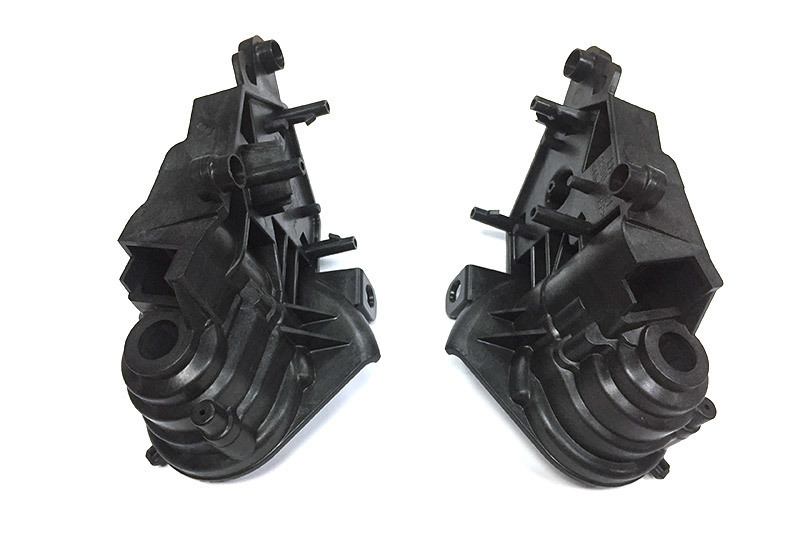
Understanding Injection Molds for Drain Trays: A Comprehensive Guide
Injection molding is an essential manufacturing process widely used to produce plastic parts, including drain trays. These trays are crucial in various industries, serving the purpose of draining excess liquids effectively, whether in kitchen settings, industrial applications, or even agricultural contexts. Understanding the intricacies of injection molds for drain trays can significantly impact p
2026-03-27
Injection molding is an essential manufacturing process widely used to produce plastic parts, including drain trays. These trays are crucial in various industries, serving the purpose of draining excess liquids effectively, whether in kitchen settings, industrial applications, or even agricultural contexts. Understanding the intricacies of injection molds for drain trays can significantly impact product quality and production efficiency.
The design of injection molds for drain trays must take into account several factors, ensuring maximum functionality and efficiency. One of the primary considerations is the material used for the mold itself. Molds must be made from durable materials that can withstand high temperatures and pressures during the injection process. Common materials include steel and aluminum, each offering different benefits in terms of longevity and cost-effectiveness.
Another vital aspect is the mold design, which must incorporate features that facilitate the proper drainage of liquids. This includes considerations such as hole sizing, spacing, and positioning, which directly affect the tray's performance. Proper drainage design minimizes issues like water pooling and ensures that the trays function as intended.
The production process for creating injection molds for drain trays involves several stages, from initial design and prototyping to final manufacturing. Advanced software tools are often employed to create precise 3D models of the mold, allowing engineers to simulate the injection process and identify potential issues before physical production begins. This proactive approach not only saves time but also reduces costs associated with rework or modifications.
In addition to functionality, the aesthetic appeal of drain trays can also be enhanced through thoughtful mold design. Customization options such as textures or logos can be integrated into the mold, allowing for a unique product that stands out in the market. This aspect of design could play a significant role in consumer preferences, especially in competitive markets.
Furthermore, the efficiency of the injection molding process can be optimized through careful planning of the production cycle. Factors such as cycle time, material waste, and energy consumption are critical metrics that manufacturers monitor to improve their processes continually. Using advanced technologies like automation and real-time data tracking can significantly enhance the overall efficiency of molding operations.
In summary, understanding the complexities of injection molds for drain trays is essential for professionals in the manufacturing industry. By focusing on material selection, mold design, production processes, and efficiency optimization, manufacturers can create high-quality drain trays that meet the demands of various applications. As the industry continues to evolve, staying informed about best practices in injection molding will be crucial for success.
The design of injection molds for drain trays must take into account several factors, ensuring maximum functionality and efficiency. One of the primary considerations is the material used for the mold itself. Molds must be made from durable materials that can withstand high temperatures and pressures during the injection process. Common materials include steel and aluminum, each offering different benefits in terms of longevity and cost-effectiveness.
Another vital aspect is the mold design, which must incorporate features that facilitate the proper drainage of liquids. This includes considerations such as hole sizing, spacing, and positioning, which directly affect the tray's performance. Proper drainage design minimizes issues like water pooling and ensures that the trays function as intended.
The production process for creating injection molds for drain trays involves several stages, from initial design and prototyping to final manufacturing. Advanced software tools are often employed to create precise 3D models of the mold, allowing engineers to simulate the injection process and identify potential issues before physical production begins. This proactive approach not only saves time but also reduces costs associated with rework or modifications.
In addition to functionality, the aesthetic appeal of drain trays can also be enhanced through thoughtful mold design. Customization options such as textures or logos can be integrated into the mold, allowing for a unique product that stands out in the market. This aspect of design could play a significant role in consumer preferences, especially in competitive markets.
Furthermore, the efficiency of the injection molding process can be optimized through careful planning of the production cycle. Factors such as cycle time, material waste, and energy consumption are critical metrics that manufacturers monitor to improve their processes continually. Using advanced technologies like automation and real-time data tracking can significantly enhance the overall efficiency of molding operations.
In summary, understanding the complexities of injection molds for drain trays is essential for professionals in the manufacturing industry. By focusing on material selection, mold design, production processes, and efficiency optimization, manufacturers can create high-quality drain trays that meet the demands of various applications. As the industry continues to evolve, staying informed about best practices in injection molding will be crucial for success.
Related news