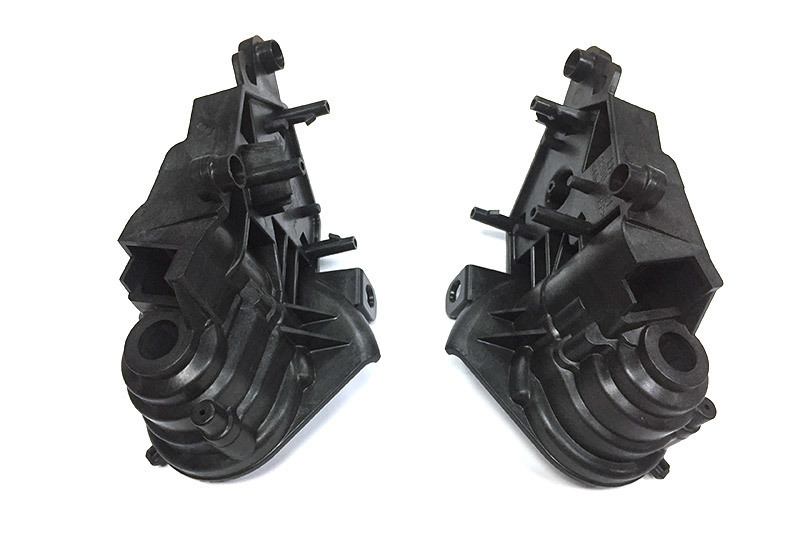
The Evolution of IML Plastic Injection Parts in the Digital Age: A Comprehensive Overview
The Evolution of IML Plastic Injection Parts in the Digital Age Introduction to IML Plastic Injection Molding In-mold labeling (IML) represents a breakthrough in plastic injection molding, allowing manufacturers to incorporate labels directly into the molding process. This innovative technique is not only revolutionizing the way plastic parts are produced but is also setting new standards for aest
2026-03-23
The Evolution of IML Plastic Injection Parts in the Digital Age
Introduction to IML Plastic Injection Molding
In-mold labeling (IML) represents a breakthrough in plastic injection molding, allowing manufacturers to incorporate labels directly into the molding process. This innovative technique is not only revolutionizing the way plastic parts are produced but is also setting new standards for aesthetics, efficiency, and sustainability. As we navigate through the digital age, the evolution of IML plastic injection parts unveils a fascinating narrative of technological advancements, market demands, and eco-friendly practices.
Understanding IML Technology
What is In-Mold Labeling (IML)?
In-mold labeling is a process that integrates a label into the plastic part during the injection molding cycle. Unlike traditional labeling methods, IML ensures that the label becomes a part of the product itself, resulting in enhanced durability and visual appeal. The IML process typically involves three key stages: pre-drying of labels, injection molding, and cooling. This method not only streamlines production but also enhances the functionality of the final product.
The Components of IML Systems
IML systems consist of several integral components, including:
- **Injection Molding Machine:** This is the heart of the IML process, where raw plastic is melted and injected into molds.
- **Labeling Equipment:** This equipment places labels into the mold before the plastic is injected.
- **Molds:** Precision-engineered molds are crucial for shaping the plastic parts and accommodating labels effectively.
- **Cooling Systems:** These systems ensure that the molded parts solidify correctly, maintaining structural integrity and appearance.
Digital Transformation in IML Technology
The Role of Digital Technologies in IML
The digital transformation has significantly impacted the manufacturing landscape, particularly in the realm of IML plastic injection parts. Technologies such as **3D printing, artificial intelligence (AI), and the Internet of Things (IoT)** are enhancing the capabilities and efficiency of IML processes. These advancements enable manufacturers to produce more complex designs, optimize production lines, and reduce waste.
3D Printing and Its Impact on IML
3D printing technology allows for rapid prototyping and the production of intricate designs that were previously unattainable with traditional methods. By integrating 3D printing into the IML process, manufacturers can experiment with new label designs and molding techniques at a fraction of the time and cost. This agility fosters innovation and opens doors to customized solutions tailored to specific market demands.
Artificial Intelligence in Manufacturing
AI is transforming IML processes by enhancing quality control and predictive maintenance. Machine learning algorithms analyze production data to detect anomalies, enabling manufacturers to rectify issues in real-time. This leads to reduced downtime and increased efficiency, making AI a vital component of modern IML operations.
Sustainability and IML Plastic Injection Parts
The Push for Eco-Friendly Solutions
Sustainability has become a cornerstone of modern manufacturing practices. The IML process supports sustainability in several ways, including reduced waste, energy efficiency, and the ability to use recycled materials. By integrating sustainable practices into the IML process, manufacturers can significantly lower their environmental footprint.
Recyclability of IML Products
One of the key advantages of IML plastic injection parts is their recyclability. Since the label is molded into the part, there is no need for additional adhesives or processes that could hinder recycling efforts. This attribute not only appeals to environmentally conscious consumers but also aligns with global initiatives aimed at reducing plastic waste.
Market Trends Influencing IML Plastic Injection Parts
Rising Consumer Demand for Customization
Today's consumers are more informed and discerning than ever before. They seek products that reflect their individuality and values. The ability to customize IML plastic injection parts enables manufacturers to cater to this demand effectively. By leveraging advanced technologies, companies can produce personalized products that resonate with their target audience.
Growth of E-Commerce and Its Impact on Packaging
The surge in e-commerce has led to a heightened focus on packaging. Brands are increasingly looking for innovative packaging solutions that stand out on virtual shelves. IML provides a unique opportunity to enhance packaging aesthetics and functionality, making products more appealing to online shoppers.
Integration of Smart Packaging Solutions
Smart packaging is the future of the packaging industry, and IML is at the forefront of this trend. By incorporating NFC (Near Field Communication) and QR codes into the IML process, manufacturers can create interactive packaging that enhances consumer engagement. This integration not only provides additional information but also fosters brand loyalty.
Challenges Facing IML Technology
High Initial Investment Costs
While the benefits of IML technology are substantial, the initial investment in equipment and training can be a barrier for some manufacturers. The costs associated with high-precision molds and advanced machinery can deter smaller companies from adopting this technology. However, the long-term savings and efficiency gains often outweigh these initial challenges.
Quality Control and Standardization
Maintaining consistent quality in IML products can be challenging, especially when dealing with variations in raw materials and production settings. Implementing stringent quality control measures is crucial for ensuring that the final products meet industry standards and consumer expectations.
Future Outlook for IML Plastic Injection Parts
Innovations on the Horizon
As we look to the future, the IML plastic injection industry is poised for continued growth and innovation. Emerging technologies such as **biodegradable materials** and **advanced automation** will further revolutionize the processes involved in IML production. Manufacturers who embrace these changes will be well-positioned to lead in an increasingly competitive market.
The Role of Collaboration in Advancing IML
Collaboration between manufacturers, technology providers, and research institutions will be essential for advancing IML technology. By working together, stakeholders can share insights, develop new solutions, and address challenges that arise in the industry. This collaborative approach will drive innovation and position IML as a pivotal technology in the future of manufacturing.
Conclusion
The evolution of IML plastic injection parts in the digital age marks a significant shift in manufacturing practices. With advancements in technology, growing consumer demand for customization, and an urgent need for sustainable solutions, IML is redefining the landscape of plastic manufacturing. As we move forward, embracing innovation and collaboration will be crucial for companies aiming to thrive in this dynamic environment. By adopting IML technology, manufacturers can not only enhance product quality and efficiency but also play a pivotal role in driving sustainability in the industry.
FAQs
1. What are the primary benefits of IML in plastic injection molding?
IML offers benefits such as improved aesthetics, durability, reduced production costs, and enhanced recyclability.
2. How does IML contribute to sustainability?
IML minimizes waste by integrating labels into the molding process, allows for the use of recycled materials, and enhances the recyclability of the final products.
3. What technologies are driving the evolution of IML?
Technologies such as 3D printing, AI, and IoT are significantly enhancing IML processes, enabling more complex designs and improving efficiency.
4. What challenges do manufacturers face when adopting IML technology?
Manufacturers may encounter high initial investment costs and quality control challenges when implementing IML processes.
5. What is the future outlook for IML plastic injection parts?
The future of IML is promising, with ongoing innovations in materials, automation, and smart packaging solutions driving growth and transformation in the industry.
Related news