Understanding Plastic Injection Molds for Vehicle Trim: A Comprehensive Guide
Plastic injection molding has become a cornerstone in the production of vehicle trim components, offering a range of advantages that meet the demands of modern automotive design and manufacturing. Understanding the process and its applications can greatly enhance efficiency and quality in vehicle production. Plastic injection molds for vehicle trim are specialized tools used to shape molten plasti
2025-12-05
Plastic injection molding has become a cornerstone in the production of vehicle trim components, offering a range of advantages that meet the demands of modern automotive design and manufacturing. Understanding the process and its applications can greatly enhance efficiency and quality in vehicle production.
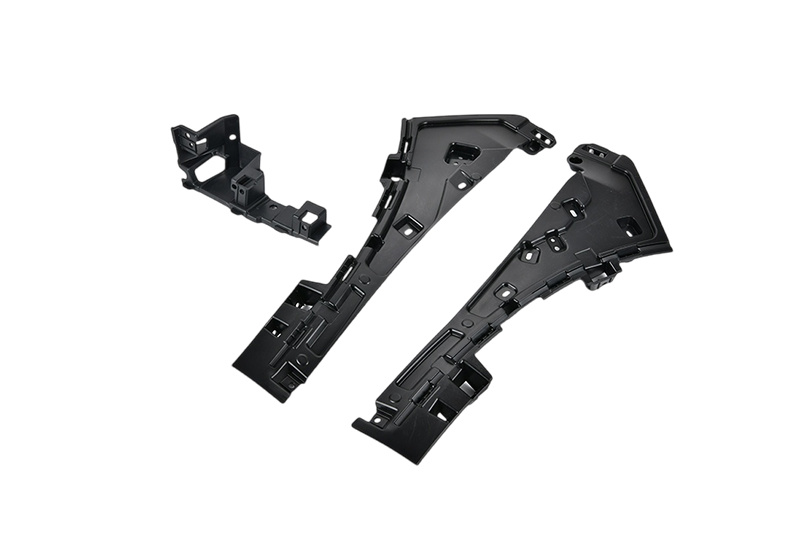
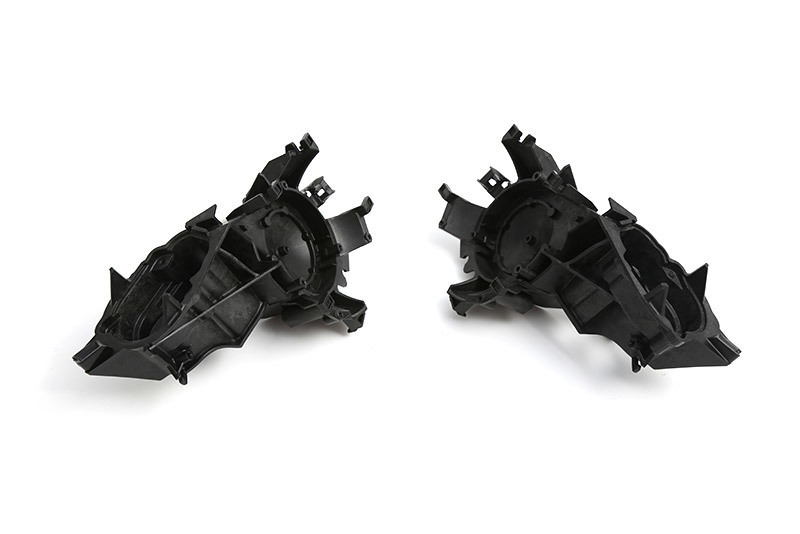
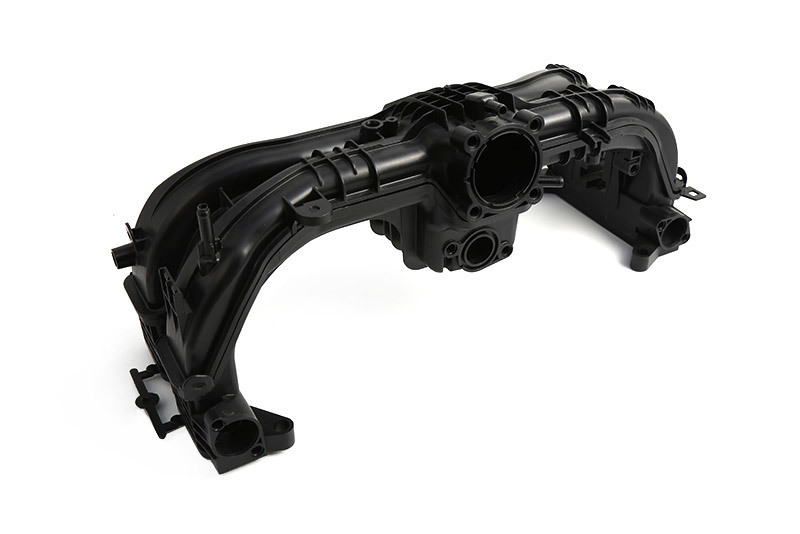
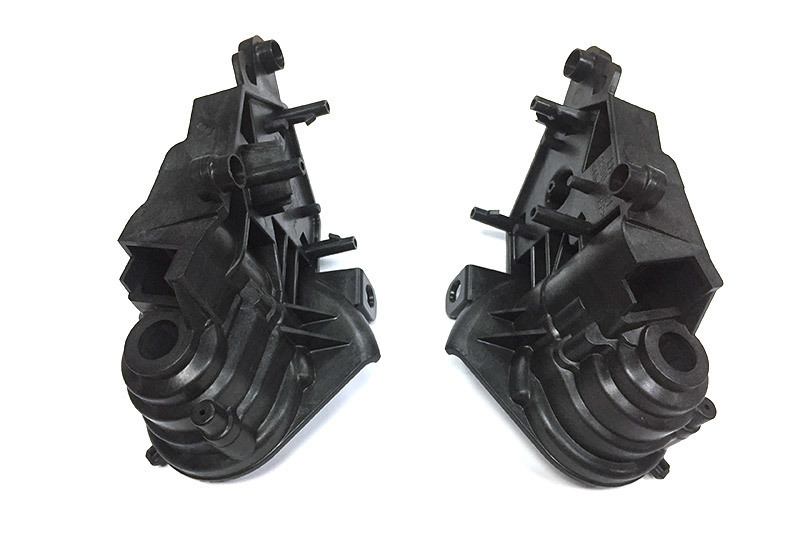
Plastic injection molds for vehicle trim are specialized tools used to shape molten plastic into specific designs that fit seamlessly into the automotive structure. These molds are designed to produce high volumes of parts with precision and consistency. The vehicle trim includes various components such as dashboards, door panels, and exterior moldings, which necessitate both aesthetic appeal and functionality.
One of the primary benefits of using plastic injection molds is the capability to create complex geometries that would be challenging or impossible to achieve with traditional manufacturing methods. The molds can be designed to include intricate details, improving the overall look of the vehicle while maintaining lightweight properties, which is crucial for enhancing fuel efficiency and performance.
When developing plastic injection molds for vehicle trim, several factors must be considered. Material selection is critical; the choice of plastic influences the durability, weight, and finish of the final product. Common materials used include acrylonitrile butadiene styrene (ABS) and polycarbonate, both known for their strength and resistance to impact.
The mold design itself also plays a significant role in the production process. Advanced computer-aided design (CAD) software allows manufacturers to simulate the molding process, ensuring that potential issues are identified and addressed before physical production begins. This not only saves time but also reduces material waste, contributing to more sustainable manufacturing practices.
In addition to design considerations, the injection molding process involves precise temperature control and pressure management to ensure that the plastic flows evenly into the mold cavities. Proper cooling techniques are equally important to minimize cycle times and improve productivity.
Quality control is another critical aspect of producing vehicle trim via plastic injection molding. Regular inspections and testing should be carried out to ensure that each part meets the required specifications and standards. This is particularly important in the automotive sector, where safety and reliability are paramount.
In conclusion, plastic injection molds for vehicle trim represent a sophisticated blend of technology and creativity. By understanding the manufacturing process, material selections, design considerations, and quality control measures, stakeholders can optimize their production workflows and deliver high-quality vehicle components. As the automotive industry continues to evolve, embracing innovations in plastic injection molding will remain essential for maintaining competitive advantages.
Plastic injection molds for vehicle trim are specialized tools used to shape molten plastic into specific designs that fit seamlessly into the automotive structure. These molds are designed to produce high volumes of parts with precision and consistency. The vehicle trim includes various components such as dashboards, door panels, and exterior moldings, which necessitate both aesthetic appeal and functionality.
One of the primary benefits of using plastic injection molds is the capability to create complex geometries that would be challenging or impossible to achieve with traditional manufacturing methods. The molds can be designed to include intricate details, improving the overall look of the vehicle while maintaining lightweight properties, which is crucial for enhancing fuel efficiency and performance.
When developing plastic injection molds for vehicle trim, several factors must be considered. Material selection is critical; the choice of plastic influences the durability, weight, and finish of the final product. Common materials used include acrylonitrile butadiene styrene (ABS) and polycarbonate, both known for their strength and resistance to impact.
The mold design itself also plays a significant role in the production process. Advanced computer-aided design (CAD) software allows manufacturers to simulate the molding process, ensuring that potential issues are identified and addressed before physical production begins. This not only saves time but also reduces material waste, contributing to more sustainable manufacturing practices.
In addition to design considerations, the injection molding process involves precise temperature control and pressure management to ensure that the plastic flows evenly into the mold cavities. Proper cooling techniques are equally important to minimize cycle times and improve productivity.
Quality control is another critical aspect of producing vehicle trim via plastic injection molding. Regular inspections and testing should be carried out to ensure that each part meets the required specifications and standards. This is particularly important in the automotive sector, where safety and reliability are paramount.
In conclusion, plastic injection molds for vehicle trim represent a sophisticated blend of technology and creativity. By understanding the manufacturing process, material selections, design considerations, and quality control measures, stakeholders can optimize their production workflows and deliver high-quality vehicle components. As the automotive industry continues to evolve, embracing innovations in plastic injection molding will remain essential for maintaining competitive advantages.
Related news