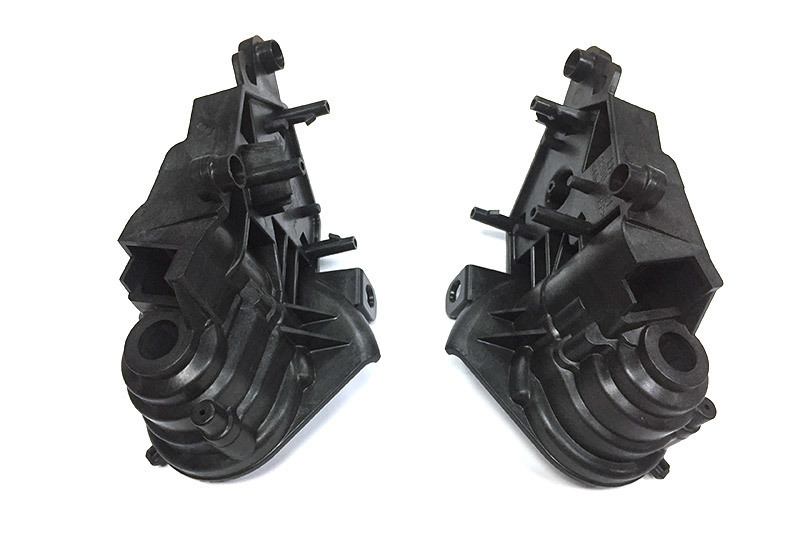
Unlocking Efficiency: Innovations in Automotive Molds for Dashboard Pipe Design
Unlocking Efficiency: Innovations in Automotive Molds for Dashboard Pipe Design The automotive industry is experiencing a transformation driven by advancements in technology and design. Among the many components that make up a vehicle's interior, dashboard pipe designs play a pivotal role in aesthetics, functionality, and overall user experience. As manufacturers strive for greater efficiency and
2025-12-01
Unlocking Efficiency: Innovations in Automotive Molds for Dashboard Pipe Design
The automotive industry is experiencing a transformation driven by advancements in technology and design. Among the many components that make up a vehicle's interior, dashboard pipe designs play a pivotal role in aesthetics, functionality, and overall user experience. As manufacturers strive for greater efficiency and performance, innovations in automotive molds are becoming crucial. In this article, we will explore the latest developments in automotive molds for dashboard pipe design, discussing materials, techniques, and future trends that can enhance efficiency and effectiveness.
Table of Contents
- Introduction to Automotive Molds and Dashboard Pipe Design
- The Importance of Innovative Design in Automotive Molds
- Advancements in Materials for Dashboard Pipe Molds
- Cutting-Edge Manufacturing Techniques in Mold Production
- The Impact of Automation on Mold Design and Production
- Sustainability and Eco-Friendly Practices in Mold Manufacturing
- Challenges in Automotive Mold Design and Innovative Solutions
- Future Trends in Dashboard Pipe Design and Mold Innovations
- Conclusion
- Frequently Asked Questions
Introduction to Automotive Molds and Dashboard Pipe Design
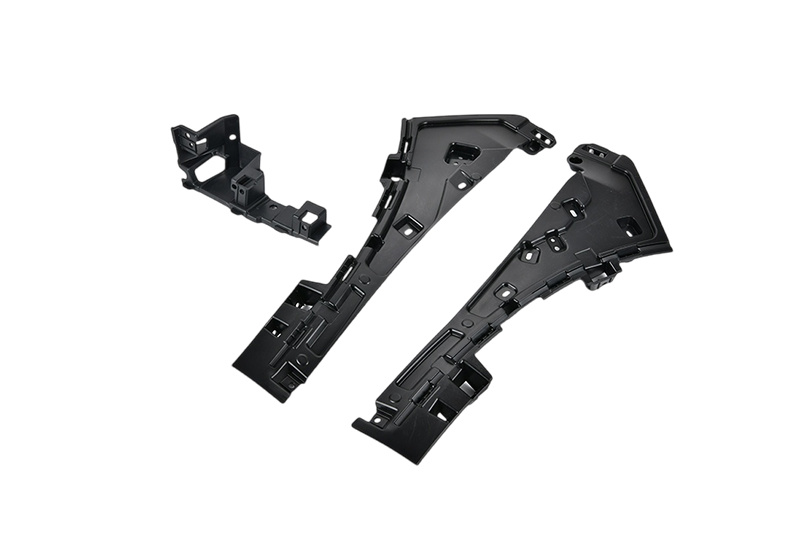
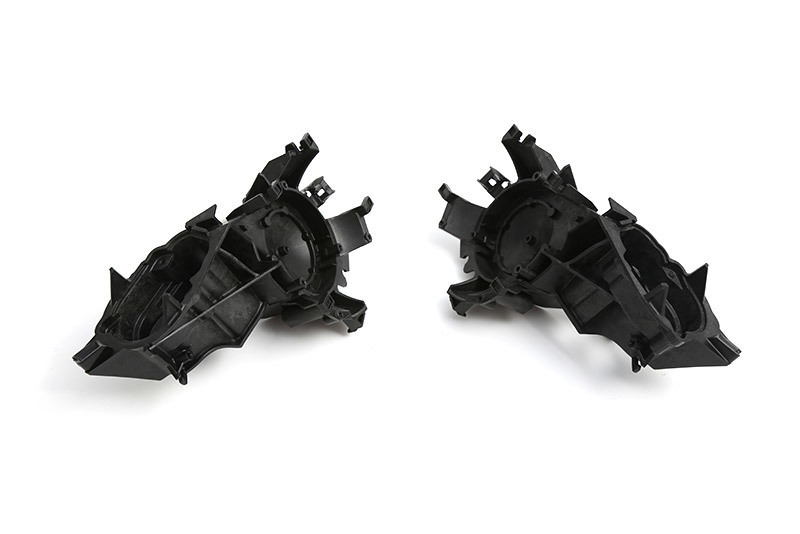
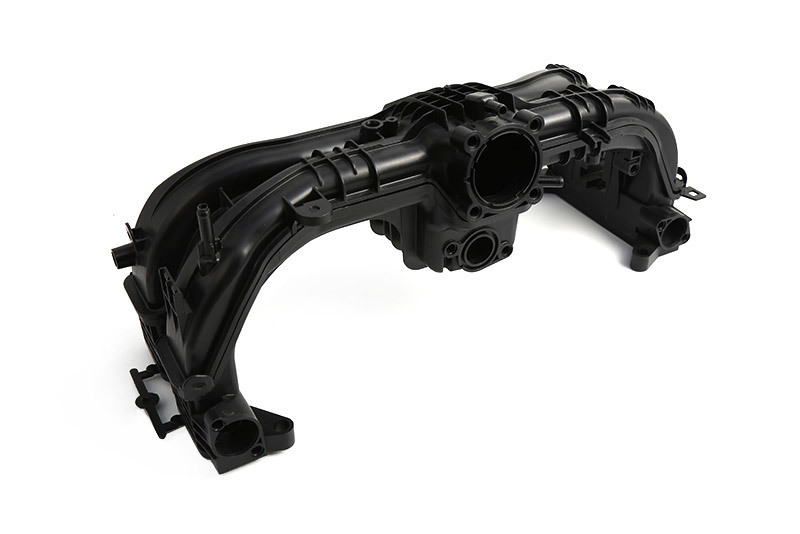
Automotive molds are essential tools used in the manufacturing process of various vehicle components, including dashboard pipes. These molds shape the materials into functional and aesthetically pleasing parts that meet the rigorous standards of the automotive industry. The dashboard pipe serves not only as a crucial element in vehicle ergonomics but also as an integral part of the overall dashboard assembly. As demand for more efficient, lightweight, and durable components increases, so does the need for advanced mold design and production techniques.
The Importance of Innovative Design in Automotive Molds
Innovative design in automotive molds directly influences the quality, performance, and cost-effectiveness of dashboard pipe production. Manufacturers are increasingly recognizing that an effective mold design can significantly enhance productivity and minimize material waste. Key aspects include:
Enhanced Customization
Modern mold designs allow for greater customization, enabling manufacturers to create parts that meet specific requirements. This flexibility is vital for addressing diverse consumer preferences and regulatory standards.
Improved Production Efficiency
Advanced mold technologies, such as multi-cavity molds, can produce multiple parts simultaneously, significantly increasing throughput and reducing cycle times. This efficiency is crucial in meeting the high demands of the automotive market.
Advancements in Materials for Dashboard Pipe Molds
The materials used in mold production greatly impact the durability and functionality of the final product. Recent advancements have introduced several innovative materials that enhance the performance of dashboard pipe molds.
High-Performance Thermoplastics
Thermoplastics are increasingly favored for dashboard pipe molds due to their lightweight nature and excellent thermal stability. These materials also offer superior design flexibility, enabling intricate designs that were previously challenging to achieve.
Composite Materials
Composite materials combine different substances to enhance strength while minimizing weight. This innovation allows manufacturers to produce dashboard pipes that meet modern standards for safety and performance without compromising on aesthetics.
Biodegradable Materials
As sustainability becomes a priority, biodegradable materials are gaining traction in the automotive industry. These materials reduce environmental impact while still providing the necessary performance characteristics for dashboard pipe applications.
Cutting-Edge Manufacturing Techniques in Mold Production
To unlock efficiency in mold production, manufacturers are adopting several cutting-edge techniques that streamline the process and enhance the quality of the final products.
3D Printing Technology
3D printing, or additive manufacturing, is revolutionizing mold production by allowing for rapid prototyping and the creation of complex geometries. This technology reduces lead times and costs while enabling manufacturers to test designs before mass production.
CNC Machining
Computer Numerical Control (CNC) machining allows for high precision and accuracy in mold production. This technology ensures that molds are manufactured to exact specifications, resulting in a better fit and finish in the final molded parts.
Injection Molding Innovations
Advancements in injection molding techniques, such as gas-assisted injection molding, are improving the efficiency of producing hollow parts like dashboard pipes. These innovations allow for thinner walls and lighter parts without sacrificing strength.
The Impact of Automation on Mold Design and Production
Automation is shaping the future of mold design and production, driving efficiency and reducing human error. Here’s how automation is impacting the industry:
Increased Production Rates
Automated processes enable manufacturers to achieve higher production rates by minimizing downtime and speeding up the manufacturing cycle. This is particularly important in meeting the growing demand for automotive components.
Quality Control and Consistency
Automation facilitates rigorous quality control measures, ensuring that each mold produced meets predefined specifications. This consistency is vital for maintaining the performance and reliability of dashboard pipes.
Cost Reduction
By reducing manual labor and streamlining processes, automation helps in lowering production costs. This financial efficiency can be reinvested into further innovation and research, driving the industry forward.
Sustainability and Eco-Friendly Practices in Mold Manufacturing
As the automotive industry faces increasing pressure to adopt eco-friendly practices, mold manufacturers are exploring sustainable options to reduce their environmental footprint.
Recycling and Reusing Materials
Innovative practices in recycling and reusing materials are being adopted to minimize waste. Manufacturers are now able to recycle scrap material from the molding process, significantly reducing overall material costs and environmental impact.
Energy-Efficient Production Processes
Investing in energy-efficient machinery and processes helps manufacturers reduce energy consumption during mold production. This not only lowers operational costs but also aligns with global sustainability goals.
Life Cycle Assessment (LCA)
Implementing Life Cycle Assessment in mold design helps manufacturers understand the environmental impact of their products throughout their entire lifecycle, leading to more sustainable design choices.
Challenges in Automotive Mold Design and Innovative Solutions
Despite the advancements in technology, several challenges persist in automotive mold design and production. Identifying these challenges and providing innovative solutions is essential for continued progress.
Complexity in Design
As designs become more intricate, manufacturing molds that can accurately reproduce these complexities becomes challenging. Solutions include advanced CAD software for designing molds and employing simulation technologies to predict potential issues.
Material Limitations
While there are many advancements in materials, some limitations still exist regarding performance under extreme conditions. Research into new composites and alloys could offer solutions to these material challenges.
Cost Management
Managing production costs while maintaining high quality is a constant challenge. Adopting lean manufacturing principles can help streamline processes and reduce waste, ultimately lowering costs.
Future Trends in Dashboard Pipe Design and Mold Innovations
The future of dashboard pipe design is poised for significant evolution, driven by trends such as:
Smart Materials
Smart materials that respond to environmental changes are expected to play a role in future dashboard pipe designs, enhancing functionality and interactivity within the vehicle.
Integration of Technology
The integration of technology, including sensors and connectivity features, will influence the design and production of dashboard pipes, making them more than just structural components.
Customization and Personalization
As consumer demand for personalized vehicles grows, mold manufacturers will need to adapt rapidly to offer customizable dashboard pipe options, enhancing the consumer experience.
Conclusion
Innovations in automotive molds for dashboard pipe design are paving the way for greater efficiency, sustainability, and performance in the automotive industry. As we embrace advanced materials, cutting-edge manufacturing techniques, and automation, the future of mold design promises to be more dynamic and responsive to consumer needs. By prioritizing innovative practices, manufacturers can enhance product quality and production efficiency, ultimately leading to a better experience for drivers and passengers alike.
Frequently Asked Questions
1. What are automotive molds used for?
Automotive molds are used to shape materials into various components, including dashboard pipes, that are essential for vehicle assembly and functionality.
2. Why is the design of dashboard pipes important?
The design of dashboard pipes is crucial for both aesthetics and functionality, affecting the overall look and user experience within a vehicle.
3. What materials are commonly used in dashboard pipe molds?
Common materials include high-performance thermoplastics, composites, and biodegradable materials that enhance strength and reduce environmental impact.
4. How does automation improve mold production?
Automation increases production rates, ensures consistent quality, and reduces costs by minimizing manual labor and streamlining processes.
5. What future trends are shaping dashboard pipe design?
Future trends include the use of smart materials, technology integration, and increased customization options to meet consumer demands.
Related news