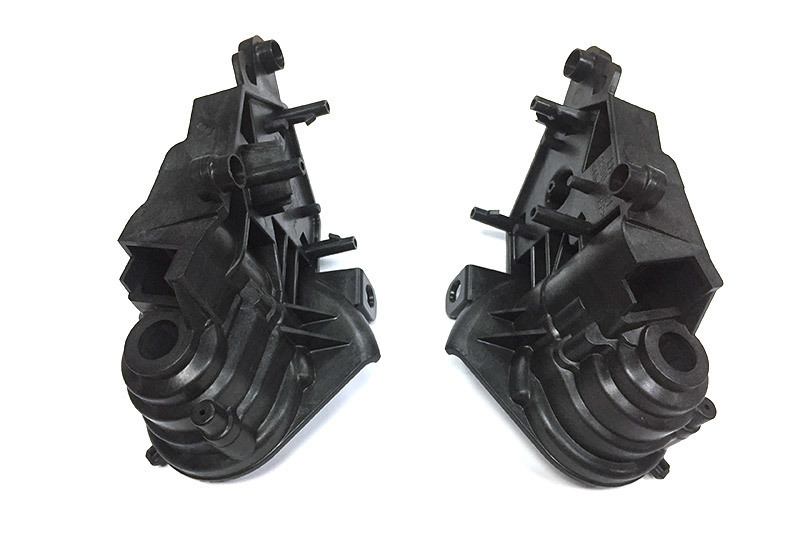
Understanding Injection Molding for Drain Tray Manufacturing
Injection molding is a widely utilized manufacturing process in the production of plastic components, including items like drain trays. These trays are essential in various applications, from industrial settings to household uses, serving critical roles in fluid management and drainage systems. Understanding the injection molding process for drain trays can significantly benefit manufacturers in t
2025-11-27
Injection molding is a widely utilized manufacturing process in the production of plastic components, including items like drain trays. These trays are essential in various applications, from industrial settings to household uses, serving critical roles in fluid management and drainage systems. Understanding the injection molding process for drain trays can significantly benefit manufacturers in terms of efficiency, cost-effectiveness, and product quality.
One of the primary advantages of using injection molds for producing drain trays is the high level of precision and consistency they offer. The process involves injecting molten plastic into a pre-designed mold, which then cools and solidifies into the final product. This method ensures that each tray produced meets the exact specifications, reducing the likelihood of defects and variations that can occur with other manufacturing processes.
When designing an injection mold for drain trays, several factors must be considered. Firstly, the mold design should accommodate the specific dimensions and features of the tray, including drainage holes and structural reinforcements that enhance durability. Additionally, material selection plays a critical role; manufacturers often choose materials like polypropylene or polyethylene for their excellent chemical resistance and strength, which are essential for drain tray applications.
Another crucial aspect of the injection molding process is cycle time optimization. The time it takes to inject the plastic, cool the mold, and eject the finished product directly impacts production efficiency. Manufacturers can streamline operations by optimizing the cooling channels within the mold and utilizing advanced temperature control systems. This not only increases output but also improves the overall quality of the drain trays produced.
It is also essential to consider post-processing methods for the molded drain trays. Depending on the intended application, additional treatments such as surface finishing or coating may be necessary to enhance the trays' performance and aesthetic appeal. Implementing these processes can further improve customer satisfaction and broaden the product's marketability.
In conclusion, the use of injection molding for drain tray manufacturing offers numerous benefits, including precision, efficiency, and the potential for customization. By understanding the critical aspects of mold design, material selection, and process optimization, manufacturers can produce high-quality drain trays that meet the diverse needs of their customers. Investing time and resources into refining these elements will not only enhance production capabilities but also strengthen a company’s position in the competitive manufacturing landscape.
One of the primary advantages of using injection molds for producing drain trays is the high level of precision and consistency they offer. The process involves injecting molten plastic into a pre-designed mold, which then cools and solidifies into the final product. This method ensures that each tray produced meets the exact specifications, reducing the likelihood of defects and variations that can occur with other manufacturing processes.
When designing an injection mold for drain trays, several factors must be considered. Firstly, the mold design should accommodate the specific dimensions and features of the tray, including drainage holes and structural reinforcements that enhance durability. Additionally, material selection plays a critical role; manufacturers often choose materials like polypropylene or polyethylene for their excellent chemical resistance and strength, which are essential for drain tray applications.
Another crucial aspect of the injection molding process is cycle time optimization. The time it takes to inject the plastic, cool the mold, and eject the finished product directly impacts production efficiency. Manufacturers can streamline operations by optimizing the cooling channels within the mold and utilizing advanced temperature control systems. This not only increases output but also improves the overall quality of the drain trays produced.
It is also essential to consider post-processing methods for the molded drain trays. Depending on the intended application, additional treatments such as surface finishing or coating may be necessary to enhance the trays' performance and aesthetic appeal. Implementing these processes can further improve customer satisfaction and broaden the product's marketability.
In conclusion, the use of injection molding for drain tray manufacturing offers numerous benefits, including precision, efficiency, and the potential for customization. By understanding the critical aspects of mold design, material selection, and process optimization, manufacturers can produce high-quality drain trays that meet the diverse needs of their customers. Investing time and resources into refining these elements will not only enhance production capabilities but also strengthen a company’s position in the competitive manufacturing landscape.
Related news