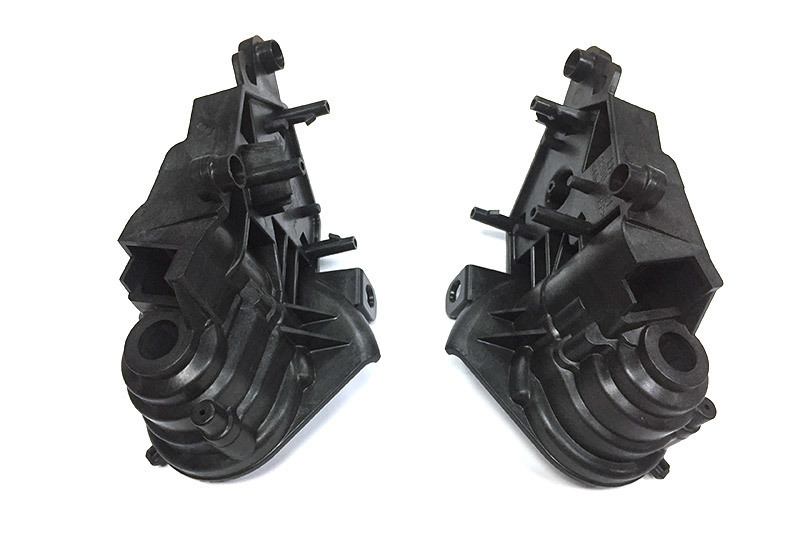
Custom Solutions with IML Plastic Injection Parts: Tailoring to Industry Needs
Custom Solutions with IML Plastic Injection Parts: Tailoring to Industry Needs Table of Contents Introduction to IML Plastic Injection Parts Understanding In-Mold Labeling (IML) Advantages of IML in Plastic Injection Molding Applications of IML Plastic Injection Parts Across Industries Tailoring Custom Solutions for Industry Needs Challenges in IML Plastic Injection Part
2025-11-23
Custom Solutions with IML Plastic Injection Parts: Tailoring to Industry Needs
Table of Contents
- Introduction to IML Plastic Injection Parts
- Understanding In-Mold Labeling (IML)
- Advantages of IML in Plastic Injection Molding
- Applications of IML Plastic Injection Parts Across Industries
- Tailoring Custom Solutions for Industry Needs
- Challenges in IML Plastic Injection Parts and Their Solutions
- The Future of IML in Manufacturing and Custom Solutions
- Conclusion
- Frequently Asked Questions (FAQs)
Introduction to IML Plastic Injection Parts
The advancement of technology has revolutionized the manufacturing sector, particularly in the field of **plastic injection molding**. One of the most innovative techniques to emerge in recent years is **In-Mold Labeling (IML)**. This technology offers unparalleled advantages when it comes to enhancing the aesthetics and functionality of plastic products. In this article, we will explore how custom solutions using IML plastic injection parts can be tailored to meet the specific needs of various industries, ensuring that businesses reap the maximum benefits.
Understanding In-Mold Labeling (IML)
In-Mold Labeling is a process that integrates the application of labels directly into the mold during the injection molding process. This method allows for labels to become part of the product itself, leading to improved durability, aesthetic appeal, and cost-effectiveness.
How Does IML Work?
The IML process involves placing a pre-printed label inside the mold before the plastic is injected. Once the molten plastic is injected, it envelops the label, bonding it securely to the product's surface as it cools. This method eliminates the need for secondary labeling processes, thereby saving time and reducing production costs.
Key Components of IML Process
1. **Label Material**: Commonly made from polypropylene (PP) or polyethylene (PE), which are designed to withstand the high temperatures of the injection process.
2. **Mold Design**: Custom molds are often required to integrate IML technology effectively.
3. **Injection Molding Machine**: Advanced machinery that can precisely control the injection process to ensure optimal bonding of labels.
Advantages of IML in Plastic Injection Molding
Utilizing IML technology in plastic injection molding presents numerous benefits that can enhance product quality and production efficiency.
Enhanced Aesthetics
IML offers superior graphics and vibrant colors, significantly improving the visual appeal of the final product. Businesses can utilize high-quality designs that were previously challenging to achieve using traditional labeling methods.
Cost-Efficiency
By combining the labeling and molding processes, IML reduces the need for additional labor and materials, resulting in lower production costs. This cost-effectiveness makes IML an attractive option for companies looking to optimize their manufacturing processes.
Durability
Labels produced through IML are highly resistant to wear and tear, making them suitable for products that require long-lasting branding and information. The labels will not peel, scratch, or fade, ensuring that the product maintains its integrity over time.
Applications of IML Plastic Injection Parts Across Industries
IML technology is versatile and can be applied across various sectors, adapting to the specific needs of each industry.
Food and Beverage Industry
In the food and beverage sector, IML is used for packaging containers that require compliance with stringent safety regulations. The process allows for clear labeling, which is vital for consumer information.
Consumer Goods
Products such as shampoo bottles, detergent containers, and household items benefit immensely from the aesthetic and functional advantages offered by IML. Custom solutions can be tailored to meet branding requirements effectively.
Automotive Sector
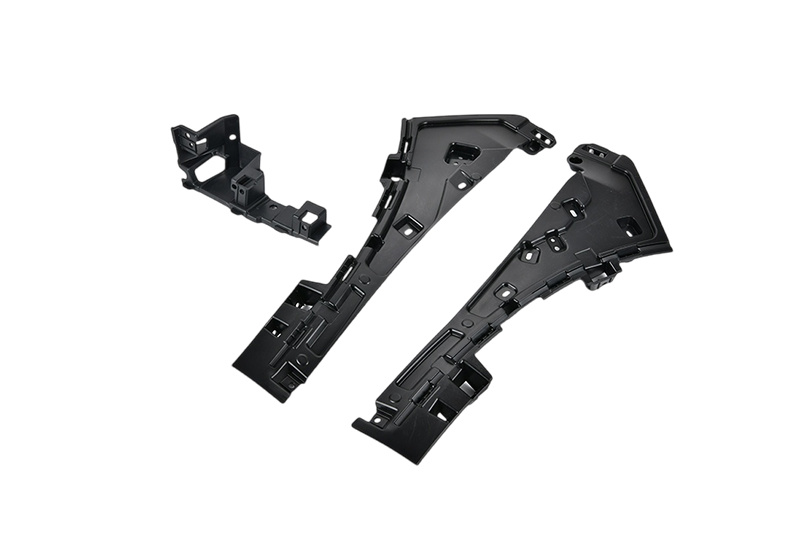
In the automotive industry, IML is utilized for dashboard components and trim parts, where durability and visual appeal are crucial. Custom solutions can cater to the specific designs and material requirements of automotive manufacturers.
Healthcare Products
Packaging for pharmaceutical products requires high standards of cleanliness and safety. IML solutions can be designed to meet these needs while providing essential product information in an attractive manner.
Tailoring Custom Solutions for Industry Needs
The beauty of IML technology lies in its ability to be customized to meet the unique requirements of various industries.
Identifying Industry-Specific Needs
Custom solutions begin with a thorough understanding of the specific needs and challenges faced by different industries. This involves engaging with industry stakeholders to gather insights and feedback.
Collaborative Design Process
We employ a collaborative approach, working closely with clients to develop molds and labels that meet their precise specifications. This ensures that the final product not only meets functional requirements but also aligns with branding goals.
Prototyping and Testing
Before moving into full-scale production, we conduct prototyping and testing to ensure that the custom solutions perform as intended. This phase is crucial for identifying potential issues and refining designs.
Challenges in IML Plastic Injection Parts and Their Solutions
While IML offers numerous advantages, several challenges may arise during the implementation of this technology.
Material Compatibility
One challenge lies in ensuring that the label material is compatible with the plastic substrate. Testing different combinations can help identify the best match for optimal performance.
Mold Design Complexity
Developing custom molds for IML applications can be complex and may require significant investment. Partnering with experienced mold designers can help streamline this process.
Quality Control
Maintaining quality throughout production is essential. Implementing rigorous quality control measures can help ensure that each product meets the required standards.
The Future of IML in Manufacturing and Custom Solutions
As technology continues to evolve, the future of IML in manufacturing looks promising. Innovations in materials, machinery, and processes are driving the expansion of IML applications.
Sustainability Initiatives
With an increasing emphasis on sustainability, IML solutions can incorporate eco-friendly materials and processes, catering to the growing consumer demand for sustainable products.
Integration with Smart Technologies
The integration of smart technologies, such as IoT and AI, into the manufacturing process can enhance production efficiency and product tracking.
Conclusion
Custom solutions utilizing IML plastic injection parts are reshaping the manufacturing landscape across industries. By offering enhanced aesthetics, cost-efficiency, and durability, IML technology proves to be a game-changer. Tailoring solutions to meet specific industry demands ensures that businesses can stay competitive in an increasingly dynamic market. As we look to the future, the potential for innovation within IML technology is limitless, paving the way for even more exciting developments in plastic injection molding.
Frequently Asked Questions (FAQs)
What is IML in plastic injection molding?
In-Mold Labeling (IML) is a process where labels are applied to plastic products during the injection molding process, resulting in improved durability and aesthetics.
What are the benefits of using IML technology?
IML technology offers enhanced graphics, cost-efficiency, durability, and compliance with industry standards, making it an attractive solution for various industries.
How can I customize IML solutions for my business?
Custom IML solutions begin with understanding your specific needs, collaborating on design, and conducting prototyping to ensure the final product meets your requirements.
What industries benefit from IML technology?
IML technology is widely used in the food and beverage, consumer goods, automotive, and healthcare sectors, among others.
What are the challenges of implementing IML?
Challenges include material compatibility, mold design complexity, and maintaining quality control throughout the production process. Solutions involve thorough testing, collaboration, and quality measures.
Related news