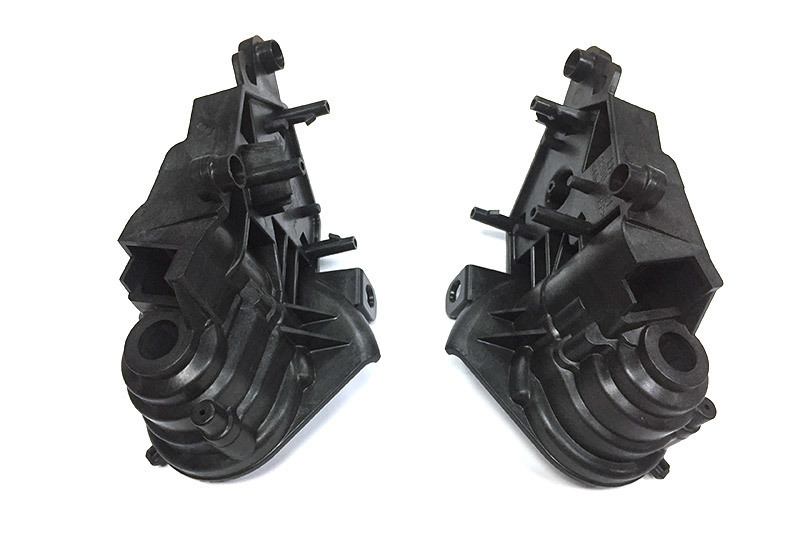
Understanding Injection Molding for Air Intake Pipe Assemblies: A Comprehensive Guide
Injection molding is a highly efficient manufacturing process used to create complex parts, including air intake pipe assemblies, which are crucial components in various automotive applications. The method involves injecting molten plastic into a mold, allowing for the production of parts with high precision and repeatability. When considering injection molding for air intake pipe assemblies, seve
2025-11-19
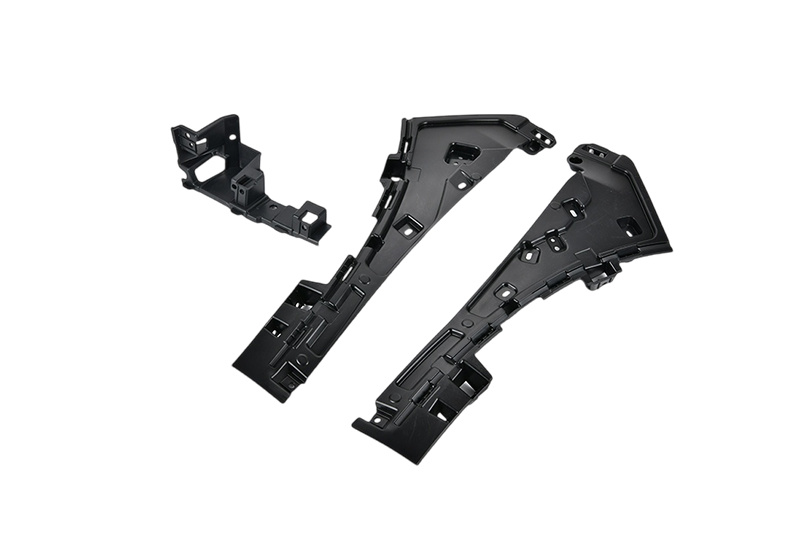
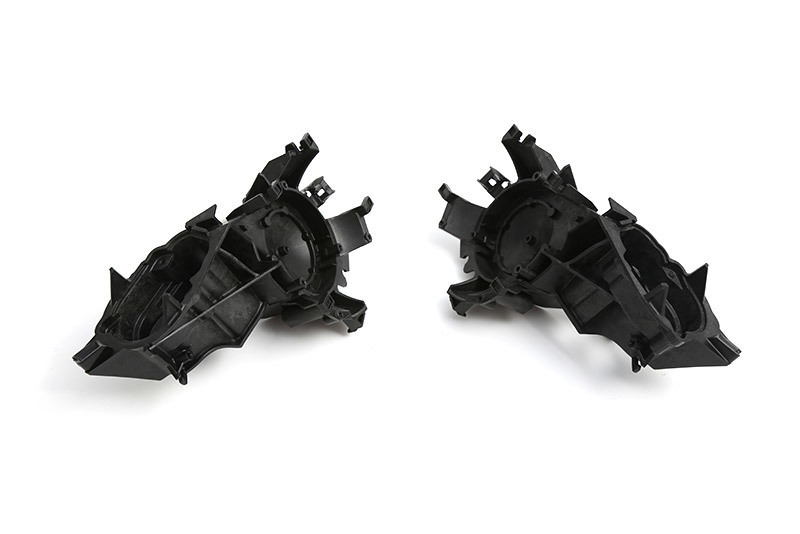
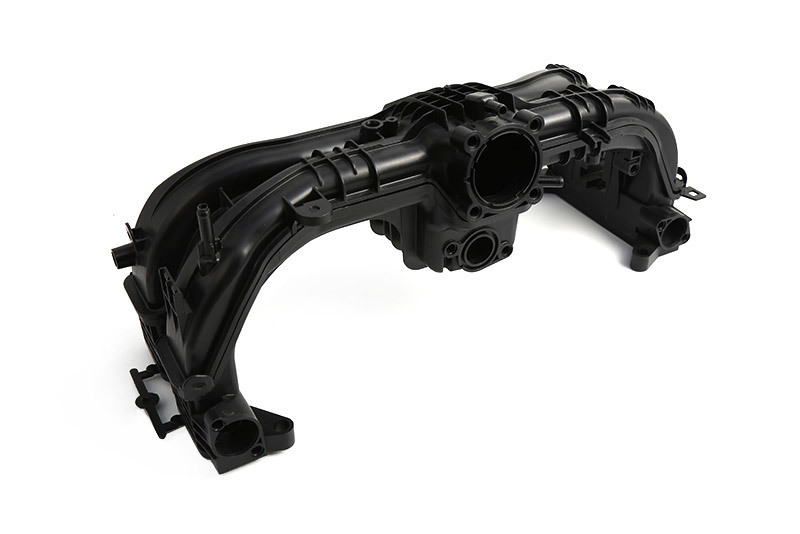
Injection molding is a highly efficient manufacturing process used to create complex parts, including air intake pipe assemblies, which are crucial components in various automotive applications. The method involves injecting molten plastic into a mold, allowing for the production of parts with high precision and repeatability. When considering injection molding for air intake pipe assemblies, several factors come into play that can significantly impact the final product.
First, selecting the right material is essential. Air intake pipes often require materials that can withstand harsh temperatures and resist chemical exposure. Commonly used materials include polypropylene (PP) and polyamide (PA), which offer excellent thermal stability and durability. Understanding the properties of these materials will help in choosing the right one for your specific application, ensuring that the air intake pipe performs optimally throughout its lifecycle.
Next, the design of the injection mold itself is a crucial aspect to consider. The mold must be engineered to accommodate the specific design features of the air intake pipe assembly. Key design considerations include wall thickness, draft angles, and gate placement, all of which can influence the flow of the molten material and the ease of part ejection. Collaborating with experienced mold designers can lead to efficient mold designs that minimize production costs and time.
Another important factor is the process optimization. Injection molding parameters such as temperature, pressure, and cycle time must be carefully controlled to ensure the consistency and quality of each part produced. Implementing advanced monitoring systems and utilizing computer simulations can help in fine-tuning these parameters, leading to improved product quality and reduced waste.
Quality control is also paramount in the production of air intake pipe assemblies. Regular inspections and testing should be conducted to ensure that the parts meet stringent industry standards. This includes dimensional checks, material testing, and performance evaluations, all of which contribute to the reliability and safety of the final product.
Lastly, sustainability should not be overlooked in the injection molding process. Many manufacturers are now exploring eco-friendly materials and practices that reduce environmental impact without sacrificing quality. Evaluating options like biodegradable plastics or incorporating recycling initiatives can enhance the sustainability of your production process.
In conclusion, injection molding for air intake pipe assemblies is a complex yet rewarding process that requires careful consideration of materials, mold design, process optimization, quality control, and sustainability. By understanding these factors, manufacturers can produce high-quality, durable components that meet the demanding requirements of the automotive industry while also adhering to best practices for efficiency and environmental responsibility.
First, selecting the right material is essential. Air intake pipes often require materials that can withstand harsh temperatures and resist chemical exposure. Commonly used materials include polypropylene (PP) and polyamide (PA), which offer excellent thermal stability and durability. Understanding the properties of these materials will help in choosing the right one for your specific application, ensuring that the air intake pipe performs optimally throughout its lifecycle.
Next, the design of the injection mold itself is a crucial aspect to consider. The mold must be engineered to accommodate the specific design features of the air intake pipe assembly. Key design considerations include wall thickness, draft angles, and gate placement, all of which can influence the flow of the molten material and the ease of part ejection. Collaborating with experienced mold designers can lead to efficient mold designs that minimize production costs and time.
Another important factor is the process optimization. Injection molding parameters such as temperature, pressure, and cycle time must be carefully controlled to ensure the consistency and quality of each part produced. Implementing advanced monitoring systems and utilizing computer simulations can help in fine-tuning these parameters, leading to improved product quality and reduced waste.
Quality control is also paramount in the production of air intake pipe assemblies. Regular inspections and testing should be conducted to ensure that the parts meet stringent industry standards. This includes dimensional checks, material testing, and performance evaluations, all of which contribute to the reliability and safety of the final product.
Lastly, sustainability should not be overlooked in the injection molding process. Many manufacturers are now exploring eco-friendly materials and practices that reduce environmental impact without sacrificing quality. Evaluating options like biodegradable plastics or incorporating recycling initiatives can enhance the sustainability of your production process.
In conclusion, injection molding for air intake pipe assemblies is a complex yet rewarding process that requires careful consideration of materials, mold design, process optimization, quality control, and sustainability. By understanding these factors, manufacturers can produce high-quality, durable components that meet the demanding requirements of the automotive industry while also adhering to best practices for efficiency and environmental responsibility.
Related news