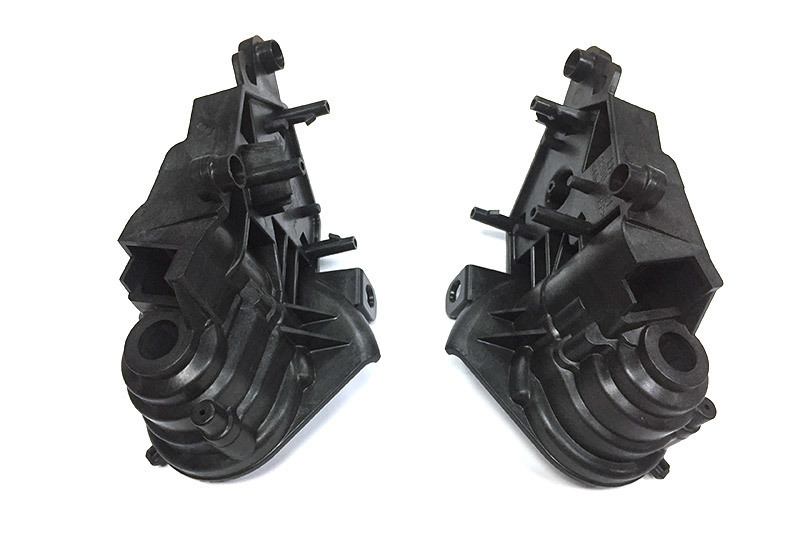
Understanding the Process of Injection Molding for Auto Dashboards: A Comprehensive Guide
Understanding the Process of Injection Molding for Auto Dashboards The automotive industry has undergone remarkable transformation over the years, particularly in the design and manufacturing of interior components like dashboards. One of the most pivotal processes in the production of auto dashboards is **injection molding**. This article aims to provide an in-depth understanding of the injection
2025-11-15
Understanding the Process of Injection Molding for Auto Dashboards
The automotive industry has undergone remarkable transformation over the years, particularly in the design and manufacturing of interior components like dashboards. One of the most pivotal processes in the production of auto dashboards is **injection molding**. This article aims to provide an in-depth understanding of the injection molding process used specifically for creating dashboards in vehicles, exploring everything from the materials used to the technological advancements that are shaping this crucial aspect of automotive manufacturing.
Table of Contents
1. What is Injection Molding?
2. Importance of Injection Molding in the Automotive Industry
3. Materials Used in Injection Molding for Auto Dashboards
4. The Injection Molding Process Explained
- 4.1 Design and Engineering of Molds
- 4.2 Mold Filling and Cooling
- 4.3 Ejecting the Finished Part
5. Quality Control in Injection Molding
6. Advanced Techniques in Injection Molding for Auto Dashboards
7. Challenges in Injection Molding and Their Solutions
8. Future Trends in Injection Molding Technology
9. Conclusion
10. Frequently Asked Questions (FAQs)
What is Injection Molding?
Injection molding is a manufacturing process that involves injecting molten material into a mold to create specific shapes and products. This method is particularly favored for its ability to produce high volumes of identical parts with precision and speed. In the context of **auto dashboards**, injection molding plays a crucial role in ensuring that each dashboard not only fits seamlessly but also meets stringent safety and aesthetic standards.
Importance of Injection Molding in the Automotive Industry
The significance of injection molding in the automotive sector cannot be overstated. With the ever-growing demand for high-quality, lightweight, and durable components, automotive manufacturers must rely on advanced manufacturing techniques. Injection molding provides several key advantages:
- **Cost-Effective Production**: High-volume production reduces the cost per unit.
- **Precision and Consistency**: Ensures high-quality parts with minimal defects.
- **Design Flexibility**: Allows for complex designs and features to be integrated into a single component.
- **Material Efficiency**: Minimizes waste compared to traditional manufacturing methods.
As a result, injection molding has become the standard for producing not just dashboards but a wide range of automotive parts.
Materials Used in Injection Molding for Auto Dashboards
Selecting the right materials is critical in the injection molding process. Auto dashboards are typically made from a variety of polymers that offer durability, aesthetic appeal, and resistance to environmental factors. Common materials include:
- **Acrylonitrile Butadiene Styrene (ABS)**: Known for its toughness and impact resistance, ABS is widely used for dashboards due to its excellent surface finish and ability to be painted easily.
- **Polycarbonate (PC)**: This material provides high impact resistance and optical clarity, making it suitable for dashboards that incorporate displays or lighting elements.
- **Polypropylene (PP)**: Lightweight and chemically resistant, polypropylene is often used for its cost-effectiveness and ease of molding.
- **Thermoplastic Elastomers (TPE)**: These materials offer rubber-like flexibility and are often used in parts that require a soft touch.
The choice of material not only affects the functionality of the dashboard but also influences its overall aesthetics and the vehicle's interior design.
The Injection Molding Process Explained
Understanding the injection molding process is essential for those involved in the production of auto dashboards. The process encompasses several key stages:
4.1 Design and Engineering of Molds
The first step in the injection molding process is the design and engineering of the mold. This phase requires collaboration between engineers and designers to create a mold that fits the intended product specifications. Advanced CAD (Computer-Aided Design) software plays a significant role in this stage, allowing for precise modeling of the dashboard's geometry. Factors to consider during mold design include:
- **Cooling Channels**: Proper cooling is crucial to reduce cycle time and ensure uniform cooling of the part.
- **Ejection Mechanisms**: Designing effective ejection systems is vital to release the finished dashboard without damaging it.
- **Material Flow**: Ensuring the mold allows for optimal material flow to avoid defects like warping or voids.
4.2 Mold Filling and Cooling
Once the mold design is finalized, the next step is mold filling. The injection molding machine heats the selected material until it reaches a molten state. The molten material is then injected into the mold cavity under high pressure. This process is critical as it ensures the mold is completely filled, capturing all the details and features of the dashboard design.
After filling, the mold undergoes a cooling phase. This is where the molten material solidifies into its final shape. Cooling time can vary based on the material used and the thickness of the dashboard. Efficient cooling processes are essential for minimizing cycle times and maximizing production efficiency.
4.3 Ejecting the Finished Part
Once the dashboard has cooled and solidified, it’s time for ejection. The mold opens, and the finished dashboard is ejected using mechanical ejector pins or plates. This step must be performed carefully to avoid damaging the part. Quality checks are often performed at this stage to ensure that the dashboard meets all specifications before proceeding to the next phase.
Quality Control in Injection Molding
Quality control is paramount in the injection molding process, especially when it comes to components like auto dashboards that play a critical role in vehicle safety and functionality. Manufacturers implement several quality control measures to ensure that each dashboard meets industry standards:
- **Dimensional Inspection**: Measuring the dimensions of the dashboard against the original CAD model to ensure accuracy.
- **Visual Inspection**: Checking for surface defects, color consistency, and overall appearance.
- **Functional Testing**: Assessing the dashboard's compatibility with other components, such as electronic displays and control systems.
Utilizing advanced technologies such as **3D scanning** and **automated inspection systems** can help in maintaining high-quality standards and reducing the likelihood of defects.
Advanced Techniques in Injection Molding for Auto Dashboards
As technology continues to advance, so do the techniques employed in injection molding. Some of the most notable advancements include:
- **Multi-Material Injection Molding**: This technique allows for the use of multiple materials in a single dashboard, enabling the creation of parts with varying textures and hardness.
- **Gas-Assisted Injection Molding**: By injecting gas into the mold cavity, manufacturers can reduce the weight of the dashboard while maintaining structural integrity.
- **In-Mold Decoration**: This approach enables the integration of decorative features directly into the dashboard during the molding process, eliminating the need for post-production painting or finishing.
These advanced techniques not only enhance the functionality of auto dashboards but also allow for more creative design possibilities.
Challenges in Injection Molding and Their Solutions
While injection molding offers numerous benefits, it is not without its challenges. Common issues faced during the injection molding process for auto dashboards include:
- **Warpage**: This distortion occurs when the part cools unevenly. Solutions include optimizing mold design and cooling strategies.
- **Surface Defects**: Issues such as sink marks or blemishes can arise. Proper material selection and mold surface treatment can mitigate these problems.
- **Cycle Time Management**: Long cycle times can affect production efficiency. Implementing simulation software to optimize process parameters can help reduce cycle times.
By identifying these challenges early in the design and production stages, manufacturers can implement effective solutions that ensure the quality and efficiency of the injection molding process.
Future Trends in Injection Molding Technology
The future of injection molding in the automotive industry looks promising, with several trends and innovations on the horizon:
- **Sustainability**: As environmental concerns continue to rise, the focus on eco-friendly materials and processes will increase. Biodegradable polymers and recycling practices are expected to become more mainstream.
- **Smart Manufacturing**: The integration of IoT (Internet of Things) technologies will enable real-time monitoring and optimization of the injection molding process, leading to increased efficiency and reduced waste.
- **Customization**: The demand for personalized vehicles is rising. Injection molding techniques will evolve to accommodate smaller production runs and customized dashboard designs.
Staying ahead of these trends will be key for manufacturers aiming to remain competitive in the ever-evolving automotive landscape.
Conclusion
Understanding the process of injection molding for auto dashboards is essential for anyone involved in automotive manufacturing. From the materials used to the technological advancements shaping the industry, each aspect plays a critical role in ensuring the production of high-quality, durable, and aesthetically pleasing dashboards. As the automotive industry continues to evolve, staying informed about the latest techniques and trends will be crucial for maintaining a competitive edge.
Frequently Asked Questions (FAQs)
1. What is the primary material used in injection molding for auto dashboards?
The primary materials include Acrylonitrile Butadiene Styrene (ABS), Polycarbonate (PC), and Thermoplastic Elastomers (TPE), among others, chosen for their durability and aesthetic qualities.
2. How long does the injection molding process take?
The cycle time for injection molding can vary significantly depending on the part size and complexity but typically ranges from a few seconds to a few minutes per cycle.
3. What are the main advantages of injection molding in automotive production?
The advantages include cost-effective production, precision and consistency, design flexibility, and efficient use of materials.
4. How can manufacturers ensure the quality of injected parts?
Implementing comprehensive quality control measures, including dimensional and visual inspections, as well as functional testing, helps maintain high standards.
5. What are the future trends in injection molding technology for auto dashboards?
Future trends include a focus on sustainability, smart manufacturing, and increased customization options to meet consumer demands.
This comprehensive guide serves as a resource for understanding the complex yet fascinating process of injection molding for auto dashboards in the automotive industry. By grasping the nuances of this manufacturing technique, industry professionals can better navigate the challenges and opportunities that lie ahead.
Related news