Understanding Plastic Injection Molding for Vehicle Trim: A Comprehensive Guide
Plastic injection molding for vehicle trim is a significant aspect of modern automotive manufacturing. This process involves injecting molten plastic into a mold to create various vehicle trim components, ranging from interior panels to exterior accents. Understanding the nuances of this technology can enhance production efficiency, improve product quality, and reduce costs. The plastic injection
2025-11-11
Plastic injection molding for vehicle trim is a significant aspect of modern automotive manufacturing. This process involves injecting molten plastic into a mold to create various vehicle trim components, ranging from interior panels to exterior accents. Understanding the nuances of this technology can enhance production efficiency, improve product quality, and reduce costs.
The plastic injection molding process begins with the preparation of the mold, which is typically made from steel or aluminum. The mold must be precisely engineered to create components that meet specific design and dimensional requirements. Once the mold is ready, plastic pellets are heated until they melt and become a viscous liquid. This molten plastic is then injected into the mold under high pressure. After a short cooling period, the mold is opened, and the finished part is ejected.
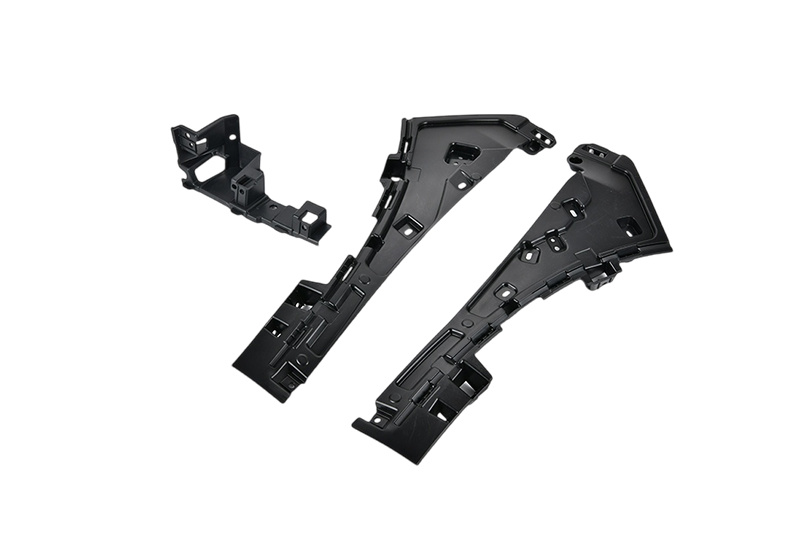
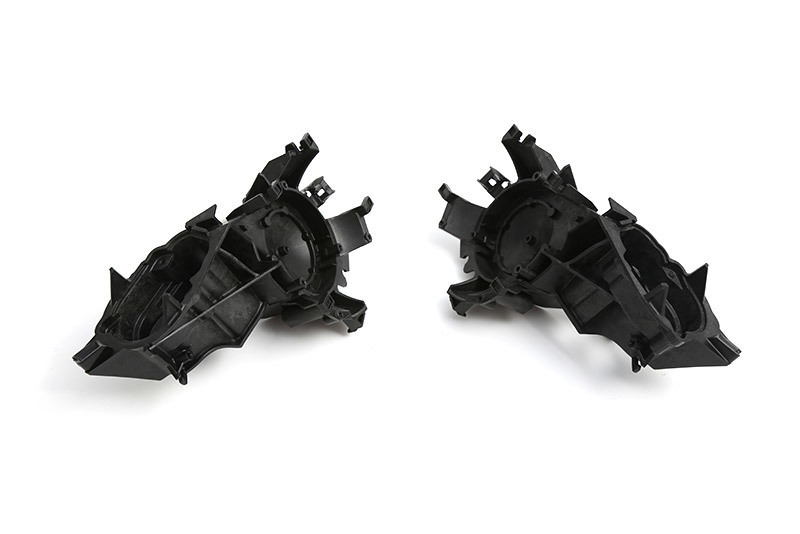
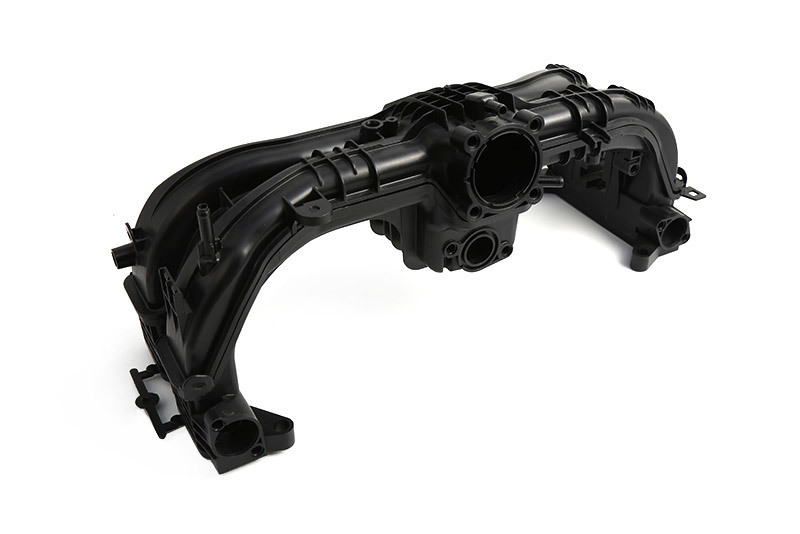
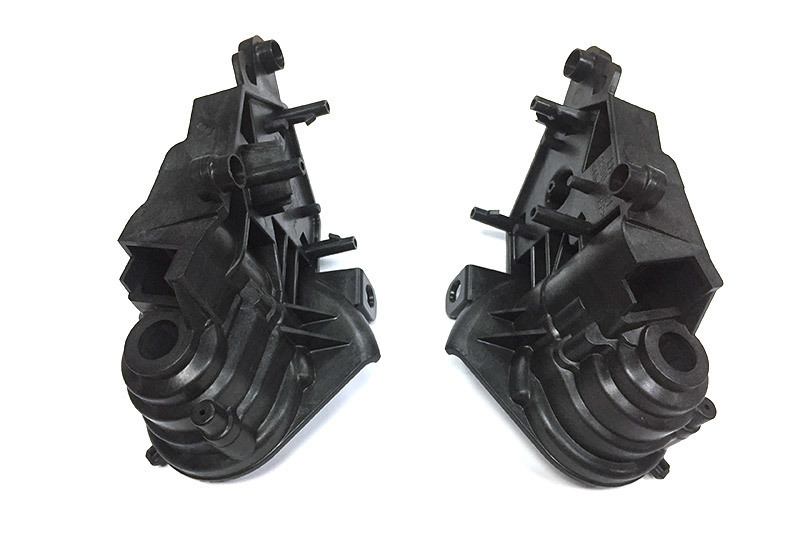
One of the primary advantages of using plastic injection molding for vehicle trim is the ability to produce complex shapes with high precision. This is particularly important in the automotive sector, where both aesthetics and functionality are critical. The versatility of this method allows manufacturers to create intricate designs that enhance the vehicle's visual appeal while also ensuring that components fit together seamlessly.
Additionally, the material choices available in plastic injection molding are vast. Manufacturers can select from a range of thermoplastics and thermosetting polymers, each offering distinct properties tailored to specific applications. For instance, ABS (Acrylonitrile Butadiene Styrene) is commonly used for its toughness and impact resistance, making it ideal for interior trim that may experience wear and tear. Likewise, polycarbonate might be selected for its transparency and high heat resistance, suitable for components requiring visibility or exposure to elevated temperatures.
Another noteworthy consideration is the environmental impact of plastic injection molding. As global awareness of sustainability increases, manufacturers are investing in eco-friendly materials and practices. Recyclable plastics and bioplastics are becoming more prevalent, providing options for reducing the environmental footprint of automotive components.
Moreover, the efficiency of the plastic injection molding process means that manufacturers can achieve high production rates while maintaining quality. Innovations in technology, such as advanced robotics and automation, further streamline the production process, allowing for quicker turnaround times and reduced labor costs.
In conclusion, plastic injection molding for vehicle trim plays a pivotal role in the automotive manufacturing industry. By understanding the process, benefits, and material options, manufacturers can leverage this technology to produce high-quality components that enhance the overall vehicle experience. As the industry evolves, keeping abreast of trends and advancements in plastic molding will be essential for maintaining a competitive edge.
The plastic injection molding process begins with the preparation of the mold, which is typically made from steel or aluminum. The mold must be precisely engineered to create components that meet specific design and dimensional requirements. Once the mold is ready, plastic pellets are heated until they melt and become a viscous liquid. This molten plastic is then injected into the mold under high pressure. After a short cooling period, the mold is opened, and the finished part is ejected.
One of the primary advantages of using plastic injection molding for vehicle trim is the ability to produce complex shapes with high precision. This is particularly important in the automotive sector, where both aesthetics and functionality are critical. The versatility of this method allows manufacturers to create intricate designs that enhance the vehicle's visual appeal while also ensuring that components fit together seamlessly.
Additionally, the material choices available in plastic injection molding are vast. Manufacturers can select from a range of thermoplastics and thermosetting polymers, each offering distinct properties tailored to specific applications. For instance, ABS (Acrylonitrile Butadiene Styrene) is commonly used for its toughness and impact resistance, making it ideal for interior trim that may experience wear and tear. Likewise, polycarbonate might be selected for its transparency and high heat resistance, suitable for components requiring visibility or exposure to elevated temperatures.
Another noteworthy consideration is the environmental impact of plastic injection molding. As global awareness of sustainability increases, manufacturers are investing in eco-friendly materials and practices. Recyclable plastics and bioplastics are becoming more prevalent, providing options for reducing the environmental footprint of automotive components.
Moreover, the efficiency of the plastic injection molding process means that manufacturers can achieve high production rates while maintaining quality. Innovations in technology, such as advanced robotics and automation, further streamline the production process, allowing for quicker turnaround times and reduced labor costs.
In conclusion, plastic injection molding for vehicle trim plays a pivotal role in the automotive manufacturing industry. By understanding the process, benefits, and material options, manufacturers can leverage this technology to produce high-quality components that enhance the overall vehicle experience. As the industry evolves, keeping abreast of trends and advancements in plastic molding will be essential for maintaining a competitive edge.
Related news