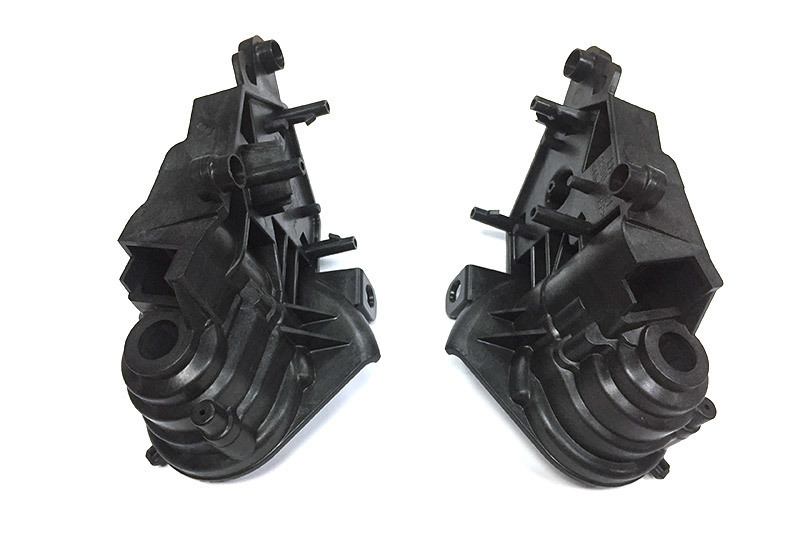
Understanding Injection Molding for Drain Tray Production
Injection molding is a widely used manufacturing process, particularly in the production of plastic components such as drain trays. These trays serve various purposes in both residential and industrial settings, including water drainage, food preparation, and even automotive applications. Understanding the intricacies of injection molding for drain trays can streamline production, enhance product
2025-11-03
Injection molding is a widely used manufacturing process, particularly in the production of plastic components such as drain trays. These trays serve various purposes in both residential and industrial settings, including water drainage, food preparation, and even automotive applications. Understanding the intricacies of injection molding for drain trays can streamline production, enhance product quality, and reduce costs.
At its core, injection molding involves injecting molten plastic into a pre-defined mold cavity, where it cools and solidifies into the desired shape. The efficiency of this process is pivotal when producing drain trays, as they often require precise dimensions and robust durability. The choice of material is crucial; common options include polypropylene, polyethylene, and polyvinyl chloride (PVC), each offering different benefits in terms of flexibility, strength, and resistance to environmental factors.
Design considerations play a vital role in the effectiveness of the injection molding process. For drain trays, designs must accommodate drainage capabilities, which often include features such as sloped surfaces, drain holes, and textured finishes to prevent slippage. Additionally, the mold design must allow for easy ejection of the finished product while minimizing imperfections such as warping or surface defects.
Another important aspect is the cycle time, which refers to the duration of the injection molding process from start to finish. Cycle times can significantly affect overall production efficiency, and optimizing this aspect can lead to increased output and reduced manufacturing costs. Factors influencing cycle time include the material's cooling rate, the complexity of the mold design, and the machine's operational parameters.
Moreover, advancements in technology have introduced new methods and techniques to enhance the injection molding process. For instance, the use of computer-aided design (CAD) software allows for better visualization and modification of mold designs, ensuring that potential issues are addressed before production begins. Additionally, modern injection molding machines are often equipped with sophisticated controls that optimize the injection speed and pressure, contributing to improved part consistency and quality.
In conclusion, injection molding for drain trays is a multifaceted process that requires careful consideration of materials, design, and operational efficiency. By understanding the fundamentals of injection molding and the specific requirements for drain trays, professionals in the manufacturing sector can enhance their production capabilities and deliver high-quality products to the market. Emphasizing continuous improvement and staying updated with technological advancements will further ensure success in this competitive industry.
At its core, injection molding involves injecting molten plastic into a pre-defined mold cavity, where it cools and solidifies into the desired shape. The efficiency of this process is pivotal when producing drain trays, as they often require precise dimensions and robust durability. The choice of material is crucial; common options include polypropylene, polyethylene, and polyvinyl chloride (PVC), each offering different benefits in terms of flexibility, strength, and resistance to environmental factors.
Design considerations play a vital role in the effectiveness of the injection molding process. For drain trays, designs must accommodate drainage capabilities, which often include features such as sloped surfaces, drain holes, and textured finishes to prevent slippage. Additionally, the mold design must allow for easy ejection of the finished product while minimizing imperfections such as warping or surface defects.
Another important aspect is the cycle time, which refers to the duration of the injection molding process from start to finish. Cycle times can significantly affect overall production efficiency, and optimizing this aspect can lead to increased output and reduced manufacturing costs. Factors influencing cycle time include the material's cooling rate, the complexity of the mold design, and the machine's operational parameters.
Moreover, advancements in technology have introduced new methods and techniques to enhance the injection molding process. For instance, the use of computer-aided design (CAD) software allows for better visualization and modification of mold designs, ensuring that potential issues are addressed before production begins. Additionally, modern injection molding machines are often equipped with sophisticated controls that optimize the injection speed and pressure, contributing to improved part consistency and quality.
In conclusion, injection molding for drain trays is a multifaceted process that requires careful consideration of materials, design, and operational efficiency. By understanding the fundamentals of injection molding and the specific requirements for drain trays, professionals in the manufacturing sector can enhance their production capabilities and deliver high-quality products to the market. Emphasizing continuous improvement and staying updated with technological advancements will further ensure success in this competitive industry.
Related news