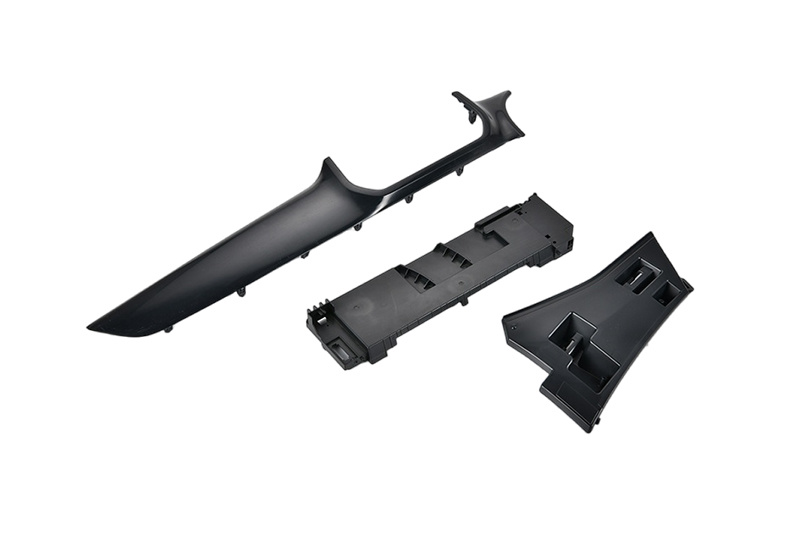
Exploring the Cost-Effectiveness of IML Plastic Injection Parts
Exploring the Cost-Effectiveness of IML Plastic Injection Parts Introduction to IML Plastic Injection Molding In the ever-evolving landscape of manufacturing, **In-Mold Labeling (IML)** has emerged as a revolutionary technique in **plastic injection molding**. This innovative process integrates labeling directly into the molding operation, streamlining production and enhancing product functionalit
2025-10-30
Exploring the Cost-Effectiveness of IML Plastic Injection Parts
Introduction to IML Plastic Injection Molding
In the ever-evolving landscape of manufacturing, **In-Mold Labeling (IML)** has emerged as a revolutionary technique in **plastic injection molding**. This innovative process integrates labeling directly into the molding operation, streamlining production and enhancing product functionality. As manufacturers seek to optimize costs while maintaining quality, understanding the economic advantages of IML becomes paramount.
What is In-Mold Labeling (IML)?
IML is a process where labels are placed into a mold before the injection of plastic. The molten plastic then envelops the label, bonding it securely to the finished part. This method eliminates the need for secondary labeling processes, providing several benefits:
Key Advantages of IML Technology
- **Reduced Labor Costs**: By integrating labeling in the molding process, manufacturers can minimize labor requirements.
- **Enhanced Aesthetics**: IML allows for high-resolution graphics and vibrant colors, elevating product appeal.
- **Increased Durability**: Labels become an integral part of the product, leading to greater resistance to peeling and fading.
The Cost-Effectiveness of IML Plastic Injection Parts
Understanding the **cost-effectiveness** of IML plastic injection parts is essential for manufacturers looking to streamline operations and maximize profitability. Several factors contribute to this cost-effectiveness.
Lower Production Costs
The IML process can significantly lower production costs due to the elimination of additional labeling steps. Traditional labeling methods often require separate setups, adhesive materials, and additional handling, all of which increase overall production costs. In contrast, IML reduces these expenses by combining labeling and molding into a single operation.
Minimized Material Waste
One of the lesser-known advantages of IML is its potential to reduce material waste. Traditional labeling often leads to excess material being scrapped due to misalignment or improper application. With IML, labels are precisely positioned within the mold, minimizing waste and enhancing overall material efficiency.
Streamlined Production Times
The integration of labeling in the molding process not only reduces costs but also significantly speeds up production times. Faster cycle times mean that manufacturers can produce more parts in a shorter period, leading to increased output and improved ROI.
Faster Time to Market
With shorter production cycles, companies can bring their products to market more rapidly. This is crucial in highly competitive industries where being first can provide a significant advantage.
Quality Considerations in IML Production
While cost-effectiveness is a significant concern, quality cannot be overlooked. IML technology enhances the quality of plastic injection parts in several ways.
Superior Print Quality
IML allows for high-quality graphics and intricate designs that are impossible to achieve with traditional labeling. This superior print quality not only enhances the product’s aesthetic appeal but also adds value through clear branding.
Improved Product Longevity
The bonding of the label to the molded part creates a durable, long-lasting product that withstands wear and tear better than traditionally labeled items. This longevity can lead to lower return rates and higher customer satisfaction.
Applications of IML Plastic Injection Parts
The cost-effectiveness and quality of IML make it suitable for a variety of applications across different industries.
Consumer Goods
IML is widely used in the production of containers, cups, and other consumer goods where branding and aesthetics play a crucial role.
Food Packaging
In food packaging, IML offers the added benefit of compliance with industry safety standards while maintaining an appealing presentation.
Automotive Components
In the automotive sector, IML can be used for interior components, trim pieces, and more, enhancing both functionality and style.
Understanding the IML Process
A comprehensive understanding of the IML process is essential for manufacturers considering this technology.
Step-by-Step Overview of the IML Process
1. **Preparation**: Labels are designed and manufactured, tailored to fit specific molds.
2. **Mold Setup**: The mold is prepared, and the labels are placed inside.
3. **Injection**: Molten plastic is injected into the mold, bonding the label to the part.
4. **Cooling and Ejection**: The part cools and is ejected from the mold, ready for use.
Choosing the Right Equipment for IML
Selecting the appropriate injection molding equipment is critical for successful IML implementation. Factors to consider include:
- **Mold Design**: Must accommodate the label and ensure proper alignment during injection.
- **Injection Speed**: Should be optimized to prevent label distortion.
Challenges and Considerations in IML Implementation
Despite its numerous benefits, implementing IML can come with challenges.
Initial Investment Costs
The upfront costs for IML equipment and setup can be significant. However, these costs are often offset by long-term savings in labor and material efficiency.
Technical Expertise Required
Successfully implementing IML requires a level of technical expertise that may necessitate additional training for staff.
Future Trends in IML Technology
As manufacturing continues to evolve, IML technology is also advancing.
Integration with Automation
Automation is becoming increasingly prevalent in manufacturing. The integration of IML processes with automated systems can further enhance efficiency and reduce costs.
Eco-Friendly Materials
There is a growing trend towards sustainability in manufacturing. The use of biodegradable and recyclable materials in IML processes could become a standard practice, appealing to environmentally conscious consumers.
FAQs About IML Plastic Injection Parts
What materials are commonly used in IML plastic injection parts?
Common materials include polypropylene (PP) and polyethylene (PE), chosen for their compatibility with IML processes and durability.
How does IML impact the overall lifecycle of a product?
IML can extend the product lifecycle by improving durability and reducing the likelihood of label damage.
Is IML suitable for small-batch production?
While IML is more cost-effective for larger production runs, it can also be adapted for small-batch production with the right equipment.
What are the environmental benefits of IML?
IML can reduce waste in the production process and supports the use of eco-friendly materials, contributing to more sustainable manufacturing practices.
How can I assess whether IML is right for my business?
Consider factors such as production volume, budget, and the importance of aesthetics in your product offerings to determine if IML is beneficial for your operations.
Conclusion
In summary, exploring the cost-effectiveness of IML plastic injection parts reveals a technique that not only enhances production efficiency but also elevates product quality. With its ability to streamline processes, reduce labor costs, and improve aesthetics, IML stands out as a valuable addition to the manufacturing toolkit. As industries continue to innovate, embracing IML technology can lead to sustainable growth and a competitive edge in the marketplace.
Related news