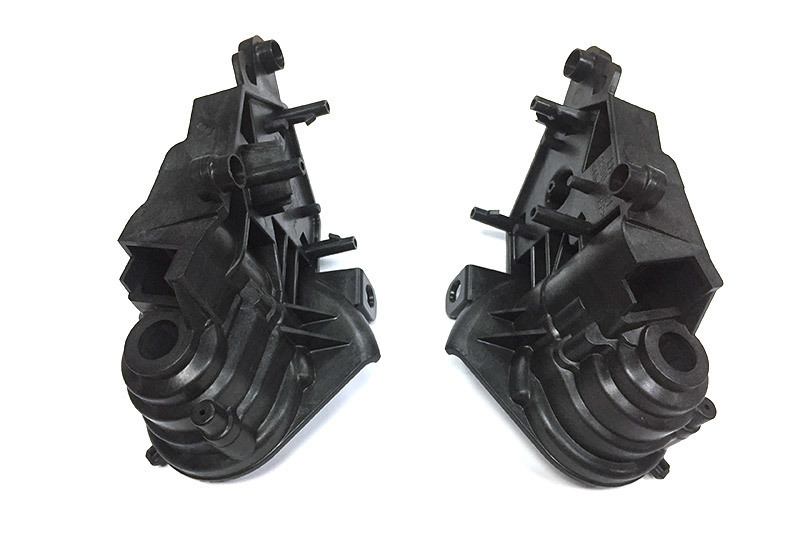
Why Injection Molds are Essential for Auto Dashboard Manufacturing
Why Injection Molds are Essential for Auto Dashboard Manufacturing Table of Contents 1. Introduction to Injection Molding in the Automotive Industry 2. The Role of Dashboards in Modern Vehicles 3. Understanding Injection Molding Process 3.1 Overview of Injection Molding 3.2 Types of Injection Molds 4. Benefits of Using Injection Molds for Auto Dashboards 4.1 Precision and Accuracy
2025-10-22
Why Injection Molds are Essential for Auto Dashboard Manufacturing
Table of Contents
1. Introduction to Injection Molding in the Automotive Industry
2. The Role of Dashboards in Modern Vehicles
3. Understanding Injection Molding Process
3.1 Overview of Injection Molding
3.2 Types of Injection Molds
4. Benefits of Using Injection Molds for Auto Dashboards
4.1 Precision and Accuracy in Production
4.2 Cost-Effectiveness and Scalability
4.3 Design Flexibility and Aesthetics
5. Materials Used in Injection Molding for Dashboards
5.1 Common Materials in Dashboard Manufacturing
5.2 Impact of Material Selection on Quality
6. Challenges in Auto Dashboard Manufacturing with Injection Molds
6.1 Common Manufacturing Issues
6.2 Solutions to Overcome Challenges
7. Future Trends in Injection Molding for Automotive Dashboards
8. Conclusion
9. Frequently Asked Questions (FAQs)
1. Introduction to Injection Molding in the Automotive Industry
Injection molding has emerged as a cornerstone in the manufacturing of automotive components, particularly auto dashboards. The automotive industry demands high standards for durability, aesthetics, and functionality, and injection molds provide a solution that meets these criteria efficiently. This article delves into the significance of injection molding in the creation of auto dashboards, exploring its processes, benefits, challenges, and future trends.
2. The Role of Dashboards in Modern Vehicles
Dashboards are more than just functional components; they are integral to the vehicle’s design and driver experience. They house essential instruments, controls, and displays that provide critical information to the driver. A well-designed dashboard enhances user experience, improves safety, and contributes to the overall aesthetic appeal of the vehicle.
3. Understanding Injection Molding Process
Injection molding is a manufacturing process that involves injecting molten material into a mold to create a specific shape. This method is particularly effective for the high-volume production of auto dashboard components.
3.1 Overview of Injection Molding
The injection molding process begins with the heating of plastic material until it becomes molten. This molten material is then injected into a pre-designed mold cavity under high pressure. Once cooled, the mold is opened, and the solidified part is ejected. This process allows for the rapid production of complex shapes with high precision.
3.2 Types of Injection Molds
There are several types of injection molds used in the automotive industry, including:
- **Single Cavity Molds**: Used for lower volume production, ideal for prototyping.
- **Multi-Cavity Molds**: Designed to produce several parts simultaneously, enhancing production efficiency
- **Hot Runner Molds**: Feature a heated channel that keeps the material molten, reducing waste and cycle times
4. Benefits of Using Injection Molds for Auto Dashboards
The adoption of injection molding technology in auto dashboard manufacturing offers numerous advantages:
4.1 Precision and Accuracy in Production
Injection molds provide high levels of precision, allowing manufacturers to create dashboards that fit perfectly into the vehicle structure. This accuracy is crucial for components that require intricate designs and effective integration with other vehicle systems.
4.2 Cost-Effectiveness and Scalability
Once the initial mold design is completed, the cost per unit significantly decreases as production scales. This economic efficiency makes injection molding a preferred choice for mass production, enabling manufacturers to meet high demand without inflating costs.
4.3 Design Flexibility and Aesthetics
Injection molding allows for intricate designs that can incorporate various textures, colors, and finishes. This capability enables automotive designers to create dashboards that not only function well but also enhance the overall aesthetic appeal of the vehicle.
5. Materials Used in Injection Molding for Dashboards
The choice of material in injection molding plays a critical role in the performance and longevity of auto dashboards.
5.1 Common Materials in Dashboard Manufacturing
Some common materials used in the injection molding of dashboards include:
- **Acrylonitrile Butadiene Styrene (ABS)**: Known for its toughness and impact resistance.
- **Polypropylene (PP)**: Lightweight and offers excellent chemical resistance.
- **Polycarbonate (PC)**: Provides superior strength and clarity, ideal for transparent components.
5.2 Impact of Material Selection on Quality
Selecting the right material impacts not just the functionality but also the safety and durability of the dashboard. High-quality materials can withstand temperature fluctuations, UV exposure, and physical stress, ensuring longevity.
6. Challenges in Auto Dashboard Manufacturing with Injection Molds
While injection molding offers many benefits, it is not without challenges.
6.1 Common Manufacturing Issues
Manufacturers may face issues such as warping, surface imperfections, and inconsistent wall thickness. These problems can arise from improper mold design, material selection, or process parameters.
6.2 Solutions to Overcome Challenges
To mitigate these challenges, manufacturers can invest in advanced mold designs, conduct regular maintenance on machinery, and implement quality control measures throughout the production process.
7. Future Trends in Injection Molding for Automotive Dashboards
As technology advances, the injection molding process is expected to evolve. Trends such as the use of sustainable materials, automation in the production process, and the integration of smart technologies into dashboards are on the horizon.
8. Conclusion
Injection molds are vital in the manufacturing of auto dashboards, providing a blend of efficiency, precision, and design flexibility. As the automotive industry continues to evolve, the role of injection molding will likely expand, making it an essential component of future vehicle designs. The importance of quality dashboards, both in terms of aesthetic value and functionality, cannot be overstated. Embracing advanced molding techniques and materials will ensure that manufacturers can meet the growing demands of modern automotive design.
9. Frequently Asked Questions (FAQs)
1. What materials are commonly used in injection molding for dashboards?
ABS, polypropylene, and polycarbonate are some common materials used in dashboard manufacturing due to their durability and aesthetic properties.
2. How does injection molding ensure precision in dashboard production?
Injection molding allows for high precision through tightly controlled manufacturing processes and molds that are designed to exact specifications.
3. What are the main advantages of using injection molds for automotive parts?
Advantages include cost-effectiveness at scale, design flexibility, and the ability to produce complex shapes with high accuracy.
4. What challenges do manufacturers face in injection molding?
Common challenges include warping, surface imperfections, and variations in wall thickness, which can be mitigated with proper design and quality control.
5. How is the future of injection molding in the automotive industry shaping up?
Trends indicate a move towards sustainable materials, increased automation, and the integration of smart technology into vehicle dashboards, enhancing functionality and user experience.
Related news