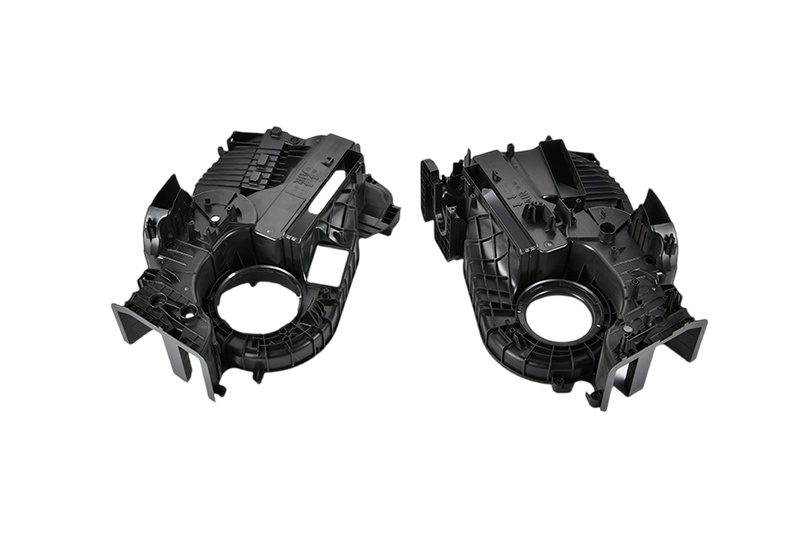
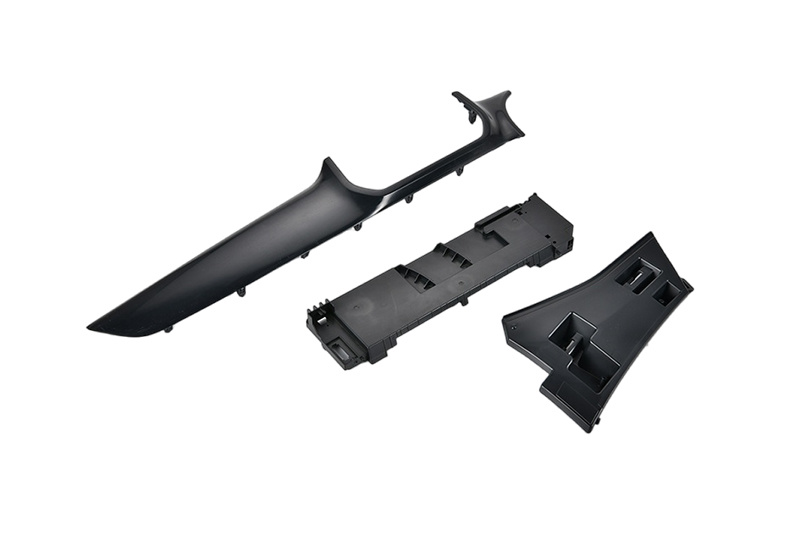
Dashboard Pipe Innovations: How Automotive Molds Enhance Functionality
Dashboard Pipe Innovations: How Automotive Molds Enhance Functionality Table of Contents Introduction to Automotive Molds Importance of Molds in Dashboard Design Types of Automotive Molds Used Injection Molding Blow Molding Thermoforming Innovations in Dashboard Pipe Manufacturing How Molds Enhance Functionality in Vehicles
2026-07-29
Dashboard Pipe Innovations: How Automotive Molds Enhance Functionality
Table of Contents
- Introduction to Automotive Molds
- Importance of Molds in Dashboard Design
- Types of Automotive Molds Used
- Innovations in Dashboard Pipe Manufacturing
- How Molds Enhance Functionality in Vehicles
- The Aesthetic Value of Automotive Molds
- Sustainability in Mold Production
- Future of Automotive Molds and Dashboard Design
- Frequently Asked Questions
- Conclusion
Introduction to Automotive Molds
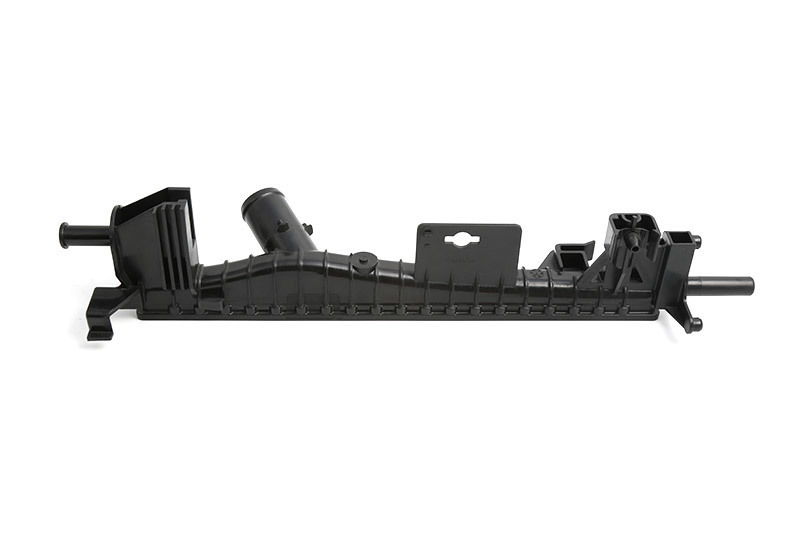
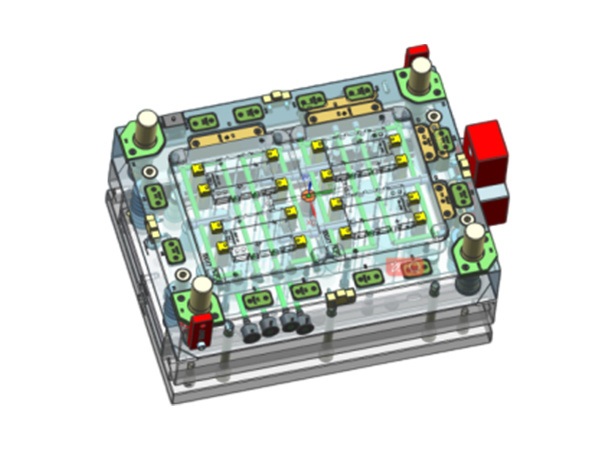
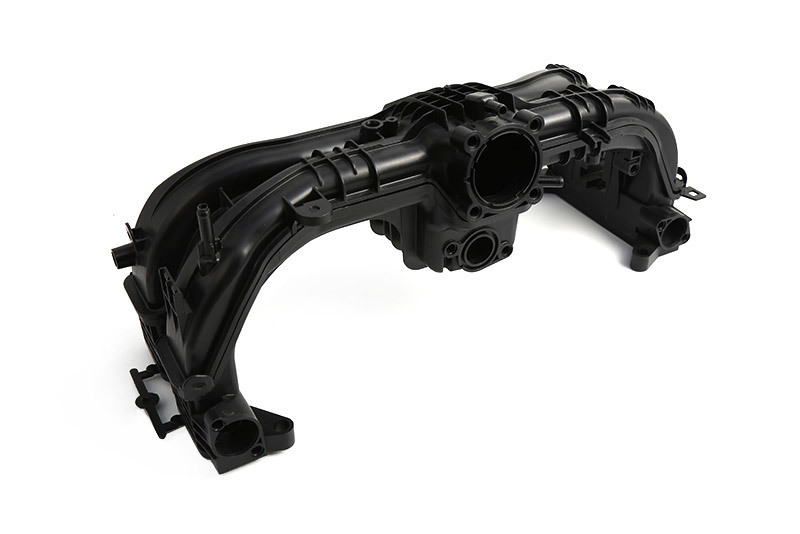
The automotive industry has been at the forefront of technological advancements, constantly innovating to enhance vehicle functionality and user experience. A critical component of this evolution is the **automotive mold**, which plays an essential role in the production of dashboard pipes and other crucial interior elements. These molds are responsible for shaping and designing various components, ensuring they meet specific functional and aesthetic standards. In this article, we delve into how automotive molds enhance dashboard pipe innovations, contributing to improved functionality and overall vehicle design.
Importance of Molds in Dashboard Design
Molds are indispensable in the automotive sector, especially when it comes to **dashboard design**. The dashboard is not only a functional area for controls and displays but also an essential aspect of a vehicle's interior aesthetics. By using advanced molds, manufacturers can create complex geometries and intricate designs that would otherwise be difficult to achieve. The importance of automotive molds can be summarized as follows:
1. **Precision Manufacturing**: Molds allow for high precision in manufacturing components, ensuring that every part fits perfectly into the vehicle framework.
2. **Material Efficiency**: By employing molds, manufacturers can optimize material usage, reducing waste while maintaining quality.
3. **Design Flexibility**: Molds enable designers to experiment with various shapes and sizes, fostering innovation in dashboard design.
4. **Cost-Effectiveness**: While the initial investment in mold production can be significant, the long-term savings in material costs and manufacturing efficiency often outweigh these expenses.
Types of Automotive Molds Used
Understanding the different types of automotive molds is crucial for grasping their role in dashboard pipe innovations. Each molding technique offers unique advantages tailored to specific manufacturing needs.
Injection Molding
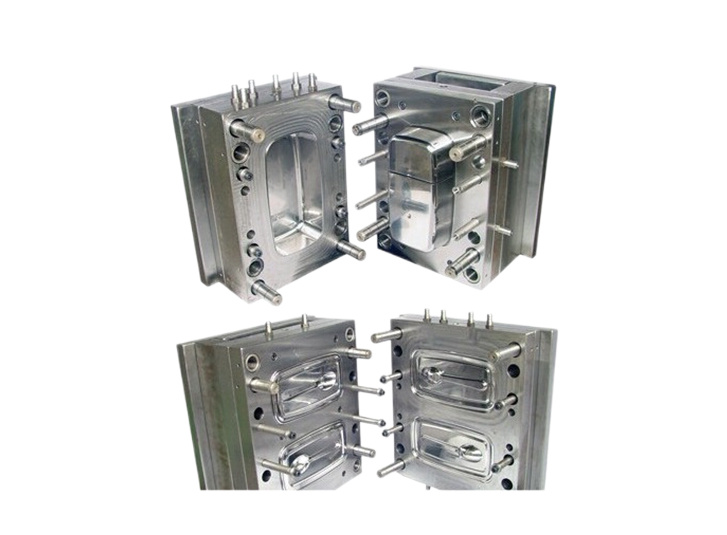
**Injection molding** is one of the most widely used methods in the automotive industry. This technique involves injecting molten plastic into a mold, where it cools and solidifies into the desired shape. Its benefits include:
- **High Production Rates**: Ideal for mass production, making it cost-effective for large-scale manufacturing.
- **Complex Designs**: Capable of producing intricate shapes and designs with high accuracy.
- **Versatility**: Suitable for various materials, including thermoplastics and thermosetting polymers.
Blow Molding
**Blow molding** is primarily used for creating hollow components, such as dashboard pipes. This process involves inflating a heated plastic tube within a mold to form the desired shape. Its advantages include:
- **Lightweight Components**: Produces lightweight parts without compromising strength.
- **Uniform Thickness**: Ensures consistent wall thickness, which is vital for structural integrity.
- **Cost Efficiency**: Reduces material waste and production costs, especially for large-volume orders.
Thermoforming
**Thermoforming** is another molding technique used in the automotive industry. This method involves heating a plastic sheet until pliable and then forming it over a mold. Key advantages include:
- **Low Tooling Costs**: Generally lower than injection molding, making it suitable for smaller production runs.
- **Quick Turnaround**: Faster prototyping and production times due to simplified processes.
- **Customizability**: Allows for easy modifications in design as per the latest market trends.
Innovations in Dashboard Pipe Manufacturing
The realm of dashboard pipe manufacturing has seen remarkable innovations due to advancements in molding techniques. These innovations have not only enhanced the functionality of dashboard pipes but have also contributed to improved safety and usability. Some notable advancements include:
1. **Smart Technology Integration**: Modern dashboard pipes are increasingly incorporating smart technologies, such as sensors and displays, that provide drivers with real-time information about the vehicle’s performance and health.
2. **Lightweight Materials**: The use of advanced materials, such as carbon fiber and reinforced plastics, has led to lighter dashboard pipes, contributing to overall vehicle efficiency.
3. **Ergonomic Design**: Innovations in mold design allow for more ergonomic shapes, providing better accessibility and comfort for drivers and passengers.
How Molds Enhance Functionality in Vehicles
Automotive molds significantly enhance the functionality of dashboard pipes in various ways. Here are some key aspects of how they contribute to overall vehicle performance:
- **Improved Airflow**: Well-designed dashboard pipes facilitate better airflow within the vehicle, enhancing climate control efficiency.
- **Noise Reduction**: Advanced molding techniques enable the production of components that can significantly reduce noise levels inside the cabin, improving the driving experience.
- **Durability and Resistance**: Molds allow the creation of robust dashboard pipes that resist wear and tear, ensuring longevity and reliability in various driving conditions.
The Aesthetic Value of Automotive Molds
The aesthetic appeal of a vehicle is just as important as its functionality. Automotive molds play a crucial role in ensuring that dashboard pipes not only function well but also look appealing. Some of the aesthetic advantages include:
- **Customization Options**: Molds can be designed to create unique shapes and finishes, allowing manufacturers to offer bespoke options to customers.
- **Color and Texture Variety**: Advanced molding techniques enable the use of various colors and textures, enhancing the visual appeal of dashboard pipes.
- **Integration with Overall Interior Design**: Molds help in achieving a cohesive look for the vehicle's interior by allowing dashboard pipes to blend seamlessly with other components.
Sustainability in Mold Production
As the automotive industry shifts towards more sustainable practices, mold production is also adapting to these changes. Sustainable practices in automotive molds include:
- **Recyclable Materials**: The use of recyclable materials in mold production helps reduce environmental impact.
- **Energy Efficiency**: Innovations in molding processes often lead to reduced energy consumption during production.
- **Waste Reduction**: Advanced mold designs minimize waste, ensuring that materials are used efficiently.
Future of Automotive Molds and Dashboard Design
Looking ahead, the future of automotive molds and dashboard design appears promising. With ongoing advancements in technology, we can expect:
- **Increased Automation**: The rise of automation in mold production will enhance efficiency and reduce lead times.
- **3D Printing Technologies**: The integration of 3D printing will allow for more complex designs and rapid prototyping, pushing the boundaries of traditional molding techniques.
- **Smart Materials**: The development of smart materials that can change properties based on environmental factors will revolutionize dashboard pipe design.
Frequently Asked Questions
What are automotive molds used for?
Automotive molds are primarily used to manufacture various components within vehicles, including dashboard pipes, instrument panels, and interior trim pieces. They ensure high precision and durability in the production process.
How does injection molding differ from blow molding?
Injection molding involves injecting molten plastic into a mold, while blow molding inflates a heated plastic tube to create hollow structures. Each method has its specific applications and advantages depending on the component being manufactured.
What materials are commonly used in automotive molds?
Common materials include thermoplastics, thermosetting polymers, and sometimes composites, which offer a combination of strength, durability, and aesthetic flexibility.
How can molds enhance vehicle safety?
Molds allow for the production of components that can be designed to absorb impact, improve structural integrity, and reduce the risk of injury during accidents, thereby enhancing vehicle safety.
What role do aesthetics play in automotive mold design?
Aesthetics are crucial in mold design as they not only influence consumer appeal but also contribute to the overall brand image and user experience of the vehicle.
Conclusion
In conclusion, automotive molds are instrumental in driving innovations in dashboard pipe design, significantly enhancing both functionality and aesthetics. Through various molding techniques, manufacturers can create high-quality, durable, and visually appealing components that meet the evolving needs of consumers. As the automotive industry continues to advance, the role of molds will expand further, paving the way for innovative solutions that prioritize sustainability, efficiency, and user experience. By embracing these advancements, we can expect a new era of automotive design that not only meets but exceeds expectations.
Related news