Injection Mold Design Trends in the Auto Dashboard Industry: Innovations and Future Directions
Injection Mold Design Trends in the Auto Dashboard Industry The auto dashboard industry is undergoing a significant transformation, driven by advancements in technology, consumer preferences, and environmental considerations. As automotive manufacturers strive for innovation, the role of injection mold design has never been more critical. This article explores the latest trends in injection mold d
2026-07-13
Injection Mold Design Trends in the Auto Dashboard Industry
The auto dashboard industry is undergoing a significant transformation, driven by advancements in technology, consumer preferences, and environmental considerations. As automotive manufacturers strive for innovation, the role of injection mold design has never been more critical. This article explores the latest trends in injection mold design specific to the auto dashboard sector, providing insights into materials, techniques, and future directions.
Understanding Injection Molding in Auto Dashboard Design
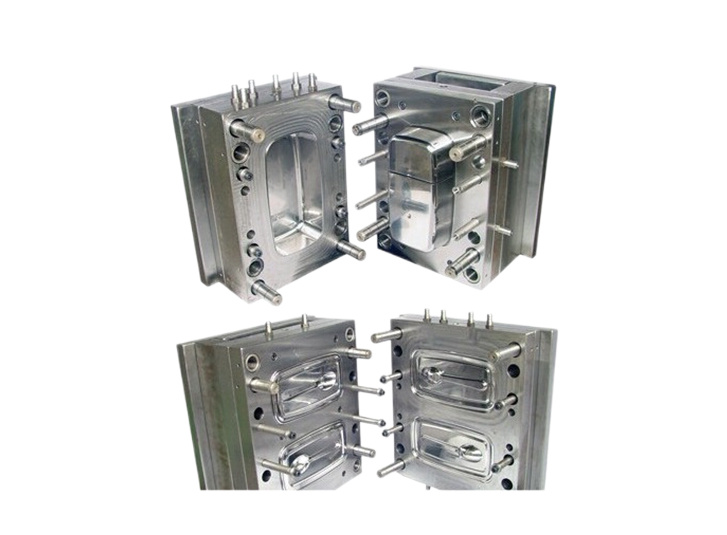
Injection molding is a manufacturing process used to produce parts by injecting molten material into a mold. This technique is particularly significant in the auto industry, where dashboards require intricate designs, durability, and aesthetic appeal. The complexity of automotive dashboards necessitates advanced injection mold designs that can accommodate various functionalities, including digital displays, climate controls, and driver assist technologies.
The Evolution of Dashboard Design
Historically, dashboards were functional but lacked the modern aesthetic appeal that today’s consumers expect. Recent trends have shifted towards integrating technology with design, leading to more sophisticated and visually pleasing dashboards. This evolution is largely influenced by consumer demand for enhanced user experiences and the integration of smart technologies.
Key Factors Influencing Dashboard Design Trends
- Consumer Preferences: Today’s consumers prioritize aesthetics, functionality, and technology integration in their vehicles. As a result, manufacturers are focusing on creating dashboards that combine these elements seamlessly.
- Sustainability: With increasing awareness of environmental sustainability, manufacturers are leaning towards eco-friendly materials and production processes, influencing design considerations.
- Technological Advancements: The integration of digital displays and infotainment systems in dashboards is reshaping design requirements, necessitating innovative mold designs.
Current Trends in Injection Mold Design for Auto Dashboards
As we delve deeper into injection mold design trends, it’s essential to highlight the innovations that are shaping the future of the auto dashboard industry.
1. Ergonomic Design Considerations
Ergonomics plays a critical role in dashboard design, ensuring that controls are easily accessible and intuitive for drivers. Injection mold design trends are increasingly focusing on creating shapes and layouts that enhance comfort and usability. This includes:
- Curved Surfaces: Curved and contoured designs are becoming more popular, allowing for better interaction and improved aesthetics.
- Integrated Touchscreens: As vehicles become more tech-centric, the integration of touchscreens within the dashboard mold is pivotal. This requires precise mold designs to accommodate delicate electronic components.
2. Advanced Materials Utilization
The evolution of materials used in injection molding has a profound impact on the design and durability of auto dashboards. Key material trends include:
- Polycarbonate and Acrylonitrile Butadiene Styrene (ABS): These materials are favored for their strength, impact resistance, and aesthetic versatility.
- Recycled Plastics: With sustainability in mind, manufacturers are increasingly using recycled materials for dashboard components, reducing environmental impact while maintaining performance.
3. Modular Design Approaches
Modular designs are gaining traction in the auto dashboard industry, allowing for easier customization and assembly. This trend enables manufacturers to create interchangeable parts, reducing production time and costs. Injection mold designs are evolving to support these modular components, leading to:
- Interchangeable Panels: Dashboards can be easily modified to suit various models and consumer preferences, enhancing personalization.
- Easy Maintenance: Modular designs facilitate repairs and upgrades, extending the lifespan of dashboard components.
4. Integration of Smart Technologies
The incorporation of smart technologies into dashboards is revolutionizing the automotive industry. As features like heads-up displays and advanced driver-assistance systems (ADAS) become standard, injection mold designs must adapt to accommodate:
- Sensor Integration: Molds must be designed to house various sensors and electronic components without compromising aesthetics.
- Display Features: Advanced designs include molded areas specifically for screens, ensuring that they are securely integrated and visually appealing.
Challenges in Injection Mold Design for Auto Dashboards
While the trends in injection mold design are promising, several challenges remain in the auto dashboard industry.
1. Balancing Cost and Innovation
One of the most significant challenges is balancing cost-effectiveness with innovation. High-quality materials and advanced designs can increase production costs, which manufacturers must carefully manage.
2. Meeting Regulatory Standards
Auto dashboards must comply with stringent safety and environmental regulations. Ensuring that injection mold designs meet these standards while remaining innovative can be a complex task for manufacturers.
3. Rapid Technological Changes
As technology evolves rapidly, keeping up with the latest advancements can be daunting. Injection mold designs must be flexible enough to accommodate future technologies and trends, requiring continuous adaptation and foresight.
The Future of Injection Mold Design in the Auto Dashboard Industry
Looking ahead, the future of injection mold design in the auto dashboard industry is filled with exciting possibilities. Emerging trends include:
1. Enhanced Customization Options
With advancements in manufacturing technologies such as 3D printing, customization of dashboard components will become more accessible and cost-effective. This allows manufacturers to offer tailored solutions that cater to individual consumer preferences.
2. Increased Focus on Sustainability
The automotive industry is progressively embracing sustainability, leading to a greater emphasis on eco-friendly materials and production practices in injection mold design. Manufacturers can expect to see innovations that reduce waste and energy consumption.
3. Integration of Augmented Reality (AR)
As AR technology advances, integrating it into dashboard designs could create immersive experiences for drivers. This could involve dashboard displays that adapt in real time, enhancing navigation and safety features.
FAQs About Injection Mold Design in the Auto Dashboard Industry
1. What is injection molding in the context of auto dashboards?
Injection molding is a manufacturing process used to create parts by injecting molten material into a mold. In the auto dashboard context, it’s used for producing intricate components that are both functional and aesthetically pleasing.
2. What materials are commonly used in injection mold designs for dashboards?
Common materials include polycarbonate and ABS plastics, which are valued for their durability and versatility. Additionally, recycled plastics are becoming increasingly popular due to sustainability efforts.
3. How do ergonomic considerations affect dashboard design?
Ergonomic design ensures that controls are accessible and easy to use, enhancing driver comfort and safety. This often leads to more contoured shapes and integrated touchscreens.
4. What are the benefits of modular dashboard designs?
Modular designs allow for easy customization and assembly, reducing production costs and facilitating maintenance and repairs.
5. How is technology shaping the future of dashboard designs?
Technological advancements enable the integration of smart features, such as digital displays and driver-assistance systems, which require innovative mold designs to accommodate electronic components.
Conclusion
The injection mold design trends in the auto dashboard industry reflect a dynamic interplay between consumer expectations, technological advancements, and sustainability efforts. As automotive manufacturers continue to innovate, the focus will remain on creating dashboards that enhance user experience while meeting regulatory requirements and environmental standards. By embracing these trends, manufacturers can position themselves for success in a rapidly evolving market, ultimately delivering high-quality, functional, and aesthetically pleasing dashboards that meet the needs of modern drivers.
Related news