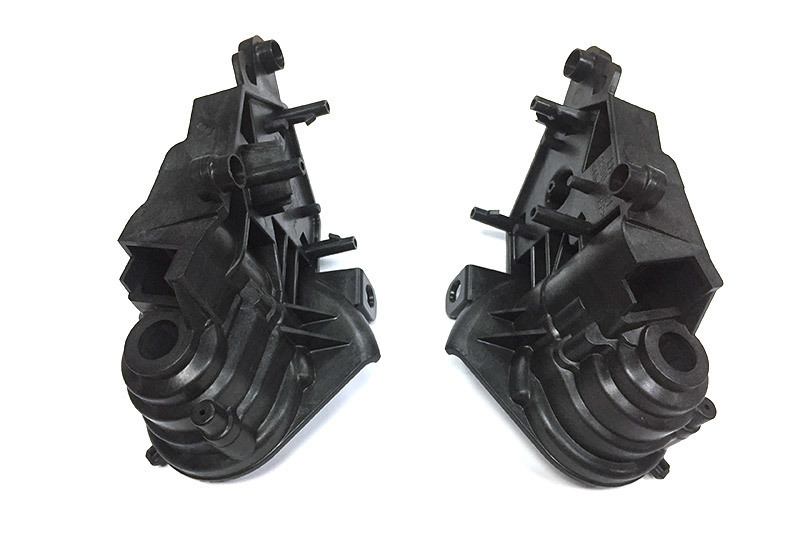
IML Plastic Injection Parts: Trends and Innovations to Watch
IML Plastic Injection Parts: Trends and Innovations to Watch Table of Contents 1. Introduction to IML Plastic Injection Parts 2. What is In-Mold Labeling (IML)? 3. Benefits of IML Plastic Injection Parts 4. Current Trends in IML Plastic Injection Technology 5. Innovations Driving the Future of IML 6. Sustainability in IML Plastic Injection Parts 7. Chal
2026-06-27
IML Plastic Injection Parts: Trends and Innovations to Watch
Table of Contents
- 1. Introduction to IML Plastic Injection Parts
- 2. What is In-Mold Labeling (IML)?
- 3. Benefits of IML Plastic Injection Parts
- 4. Current Trends in IML Plastic Injection Technology
- 5. Innovations Driving the Future of IML
- 6. Sustainability in IML Plastic Injection Parts
- 7. Challenges Faced in IML Plastic Injection Manufacturing
- 8. The Future Outlook for IML Plastic Injection Parts
- 9. Frequently Asked Questions (FAQs)
- 10. Conclusion
1. Introduction to IML Plastic Injection Parts
The world of plastic injection molding is evolving rapidly, especially with the integration of **In-Mold Labeling (IML)** technology. IML is not just a technique; it's a transformative process that enhances product functionality, aesthetic appeal, and production efficiency. As industry leaders, we recognize the importance of staying informed about the *trends and innovations* in IML plastic injection parts. This article delves into the current landscape, the benefits of IML technology, and the future trends shaping this dynamic sector.
2. What is In-Mold Labeling (IML)?
In-Mold Labeling is a sophisticated manufacturing process that combines the molding of plastic parts with the application of labels within the mold itself. This method allows for high-quality graphic designs to be embedded into the plastic item during the injection molding process, resulting in a product that is not only visually appealing but also durable.
The Process of IML
The IML process involves several key steps:
1. **Label Placement**: A pre-printed label is placed inside the mold.
2. **Injection Molding**: The molten plastic is injected into the mold, adhering to the label.
3. **Cooling and Ejection**: Once the plastic cools and solidifies, the final product is ejected from the mold.
3. Benefits of IML Plastic Injection Parts
The benefits of utilizing IML technology in plastic injection parts are significant and can often differentiate products in a competitive marketplace.
Enhanced Aesthetics
IML allows manufacturers to create complex graphics directly on the product surface, enhancing the visual appeal without the need for additional printing steps.
Durability
Since the label is encapsulated within the plastic, it is resistant to scratching, fading, and peeling, ensuring a long-lasting appearance.
Cost Efficiency
IML can reduce production costs by eliminating the need for additional labeling processes. This streamlining leads to lower overall manufacturing expenses.
4. Current Trends in IML Plastic Injection Technology
As technology advances, so do the trends within the IML landscape. Several notable trends are emerging that manufacturers should consider.
Digitization and Automation
The rise of Industry 4.0 has led to increased digitization and automation in the manufacturing process. Automated systems are being integrated into IML production lines, enhancing precision and reducing human error.
Personalization
With consumer preferences shifting towards personalized products, IML technology is adapting to allow for smaller production runs and customizable labeling options. This trend caters to niche markets and enhances customer satisfaction.
5. Innovations Driving the Future of IML
Innovation is at the heart of market success, and the IML sector is no exception.
Advanced Materials
New materials that are compatible with IML processes are being developed, allowing for greater flexibility in design and function. These materials enhance the product's performance and sustainability.
Smart Labels
The advent of smart labels integrated with QR codes or NFC technology offers consumers interactive experiences, bridging the gap between physical products and digital information.
6. Sustainability in IML Plastic Injection Parts
As sustainability becomes a paramount concern in manufacturing, IML technology is also evolving to address these challenges.
Recyclable Materials
The push for eco-friendly solutions is prompting manufacturers to explore recyclable and biodegradable materials for IML processes, reducing environmental impact.
Energy Efficiency
Developments in energy-efficient machinery and processes are on the rise, allowing IML production to reduce its carbon footprint while maintaining high-quality standards.
7. Challenges Faced in IML Plastic Injection Manufacturing
Despite its many advantages, the IML process is not without its challenges.
Complexity of Implementation
Adopting IML technology requires significant investment in new machinery and training, which may be a barrier for some manufacturers.
Quality Control
Maintaining consistent quality across production runs can be challenging, particularly when working with new materials or technologies.
8. The Future Outlook for IML Plastic Injection Parts
The future of IML plastic injection parts looks promising. As consumer preferences evolve, manufacturers will need to adapt quickly to stay relevant. The intersection of technological innovations and sustainability practices will play a crucial role in shaping the future of IML.
9. Frequently Asked Questions (FAQs)
What are the primary advantages of using IML for plastic injection parts?
IML offers enhanced aesthetic appeal, increased durability, and cost efficiency by integrating labeling directly into the molding process.
Can IML technology be used for all types of plastic products?
While IML is versatile, it is particularly effective for products that benefit from high-quality graphics and durability, such as containers, packaging, and household items.
What are the latest innovations in IML technology?
Recent innovations include the use of advanced materials, smart labels that integrate with digital platforms, and energy-efficient production methods.
How does IML contribute to sustainability in manufacturing?
IML supports sustainability by utilizing recyclable materials and reducing waste through streamlined production processes.
What challenges do manufacturers face when implementing IML technology?
Manufacturers may encounter challenges such as the complexity of implementation, the need for new machinery, and ensuring consistent quality across production runs.
10. Conclusion
In conclusion, the landscape of IML plastic injection parts is continuously evolving, driven by technological advancements and changing consumer demands. By embracing the trends and innovations outlined in this article, manufacturers can enhance their product offerings, streamline operations, and contribute to sustainable practices. As the industry progresses, staying informed and adaptable will ensure continued success in the competitive world of plastic injection molding.
Related news