Maximizing Production: Effective Strategies for Automotive Mold Use in Dashboard Pipes
Maximizing Production: Effective Strategies for Automotive Mold Use in Dashboard Pipes Table of Contents Introduction to Automotive Mold Use in Dashboard Pipes Understanding the Molding Process in Automotive Manufacturing Types of Molds Used in Dashboard Pipe Production Benefits of Optimizing Mold Use in Production Strategies for Effective Mold Utilization in Dashboard Pipe Pr
2026-07-05
Maximizing Production: Effective Strategies for Automotive Mold Use in Dashboard Pipes
Table of Contents
- Introduction to Automotive Mold Use in Dashboard Pipes
- Understanding the Molding Process in Automotive Manufacturing
- Types of Molds Used in Dashboard Pipe Production
- Benefits of Optimizing Mold Use in Production
- Strategies for Effective Mold Utilization in Dashboard Pipe Production
- Challenges in Automotive Mold Production and Solutions
- Future Trends in Automotive Molding and Technology
- Conclusion: Elevating Your Production Efficiency
- FAQs About Automotive Mold Use in Dashboard Pipes
Introduction to Automotive Mold Use in Dashboard Pipes
In the automotive industry, the efficiency and effectiveness of production processes are paramount. This holds particularly true for dashboard pipes, which play a critical role in vehicle functionality and aesthetics. The application of **molding techniques** not only streamlines production but also enhances the quality and durability of components. In this article, we will delve into the **best practices** and **strategies** for maximizing production through effective mold use in dashboard pipes.
Understanding the Molding Process in Automotive Manufacturing
The molding process is fundamental in manufacturing components like dashboard pipes. It involves shaping liquid or malleable materials using molds. This section will provide an overview of key aspects of the molding process, including:
Molding Techniques Used in Dashboard Pipes
There are several molding techniques commonly used in the production of dashboard pipes, including:
- Injection Molding: This method injects molten material into the mold cavity, offering high precision and the ability to create complex shapes.
- Blow Molding: Ideal for hollow components, blow molding involves inflating a heated plastic tube into a mold.
- Compression Molding: This technique involves placing materials in a heated mold, where they are pressed into shape under pressure.
Materials for Molding Dashboard Pipes
The choice of material is crucial for the performance of dashboard pipes. Common materials include:
- Polypropylene (PP): Known for its durability and flexibility, making it a popular choice for automotive components.
- Polyvinyl Chloride (PVC): Offers good insulation properties and is resistant to chemical exposure.
- Thermoplastic Elastomers (TPE): Combines the properties of rubber with the recyclability of plastics, providing excellent flexibility and impact resistance.
Types of Molds Used in Dashboard Pipe Production
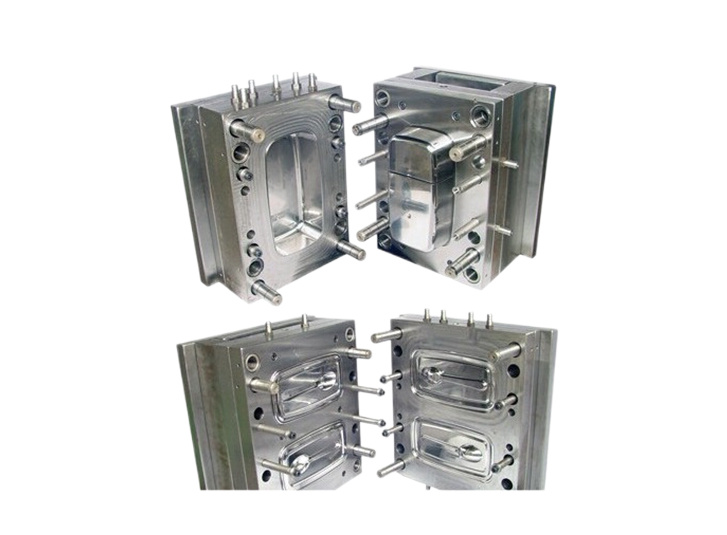
The design and functionality of molds have a significant impact on the efficiency of production. Understanding the various types of molds will help manufacturers make informed choices.
Single Cavity vs. Multi-Cavity Molds
- **Single Cavity Molds:** Simpler and often less expensive. However, they produce one component at a time, which can slow down production.
- **Multi-Cavity Molds:** Designed to produce multiple components in a single cycle, significantly increasing production capacity and efficiency.
Cold Runner vs. Hot Runner Molds
- **Cold Runner Molds:** Utilizes a system where the material cools and solidifies in the runner before being injected into the part, which can lead to waste but is easier to maintain.
- **Hot Runner Molds:** Keeps the material heated until it’s injected into the mold, reducing waste and improving cycle times but requiring more initial investment.
Benefits of Optimizing Mold Use in Production
Optimizing mold use in the production of dashboard pipes yields numerous benefits, including:
Increased Production Efficiency
By using advanced molding techniques and optimizing mold designs, manufacturers can significantly reduce cycle times and increase output.
Cost Reductions
Effective mold use minimizes waste and reduces material costs. Additionally, fewer defects lead to lower rework and scrap rates.
Enhanced Product Quality
Precision molds ensure consistent quality and dimensions, which is crucial for the performance of dashboard pipes in various automotive applications.
Improved Flexibility
Advanced mold technologies allow for quick changes in production runs, enabling manufacturers to adapt to market demands swiftly.
Strategies for Effective Mold Utilization in Dashboard Pipe Production
To maximize production, the following strategies should be implemented:
1. Invest in Quality Molds
Quality molds are essential for producing high-quality dashboard pipes. Investing in durable and well-designed molds will reduce maintenance costs and downtime.
2. Optimize Process Parameters
Monitoring and adjusting parameters such as temperature, pressure, and cycle times can significantly improve the molding process and enhance product quality.
3. Regular Maintenance and Upgrades
Routine maintenance of molds can prevent defects and extend their lifespan. Additionally, upgrading molds with the latest technology can improve efficiency.
4. Implementing Automation
Automation in the molding process can streamline operations, reduce labor costs, and minimize human error, leading to higher productivity.
5. Employee Training and Development
Ensuring that your workforce is trained in the latest molding techniques and technologies will enhance overall production efficiency and product quality.
Challenges in Automotive Mold Production and Solutions
The automotive molding industry faces several challenges that can impact production:
1. Material Variability
Material inconsistencies can lead to defects. Implementing strict quality control measures and sourcing high-quality materials can mitigate this issue.
2. High Initial Costs
The initial investment in molds and technology can be high. However, viewing it as a long-term investment can help justify the costs through increased efficiency and reduced defects.
3. Complex Designs
As automotive designs become more complex, molds must adapt. Utilizing advanced simulation software can help anticipate potential challenges and streamline the design process.
Future Trends in Automotive Molding and Technology
The automotive industry continually evolves, and so do molding technologies. Future trends include:
1. Sustainability in Molding
The shift towards sustainable materials and processes is gaining momentum. Manufacturers are exploring bio-based polymers and recycling methods to reduce environmental impact.
2. Smart Manufacturing
The integration of IoT and AI in manufacturing processes can enhance monitoring and decision-making, leading to more efficient mold utilization.
3. Advanced Materials
The development of new materials, such as lightweight composites, will drive innovation in mold design and manufacturing processes.
Conclusion: Elevating Your Production Efficiency
Maximizing production through effective mold use in dashboard pipe manufacturing is crucial for achieving operational excellence in the automotive industry. By understanding the molding process, investing in quality molds, and implementing strategic optimizations, manufacturers can enhance efficiency, reduce costs, and improve product quality. Staying abreast of industry trends and challenges will further solidify your position as a leader in automotive manufacturing.
FAQs About Automotive Mold Use in Dashboard Pipes
1. What are the most commonly used materials for dashboard pipes?
Polypropylene (PP), polyvinyl chloride (PVC), and thermoplastic elastomers (TPE) are among the most common materials used for dashboard pipes due to their durability and flexibility.
2. How can I improve the efficiency of my molding process?
Improving efficiency can be achieved by regularly maintaining molds, optimizing process parameters, investing in automation, and providing employee training.
3. What is the difference between single cavity and multi-cavity molds?
Single cavity molds produce one component at a time, while multi-cavity molds can produce multiple components in a single cycle, greatly increasing production capacity.
4. What challenges does the automotive molding industry face?
Challenges include material variability, high initial costs, and the complexity of designs. Solutions involve implementing quality control measures and investing in advanced technologies.
5. What are the future trends in automotive molding?
Future trends include a focus on sustainability, smart manufacturing through IoT and AI, and the development of advanced materials like lightweight composites.
By incorporating these strategies and insights, businesses can significantly enhance their production capabilities while maintaining high standards of quality and efficiency.
Related news