Understanding Plastic Injection Mold for Vehicle Trim: A Comprehensive Guide
Plastic injection molding for vehicle trim has become a cornerstone in the automotive manufacturing sector, providing both efficiency and precision in producing high-quality components. This technique involves injecting molten plastic into a mold cavity, which then cools and solidifies to form the desired shape of trim parts such as dashboards, door panels, and exterior moldings. One of the primar
2026-07-09
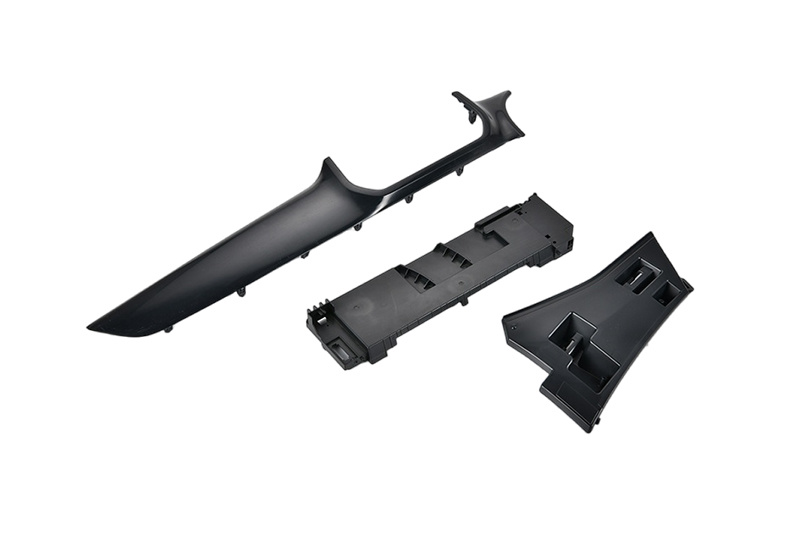
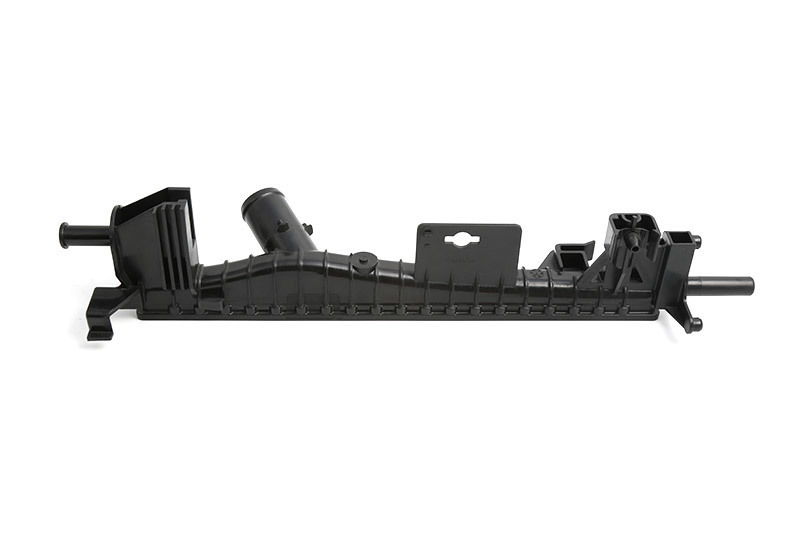
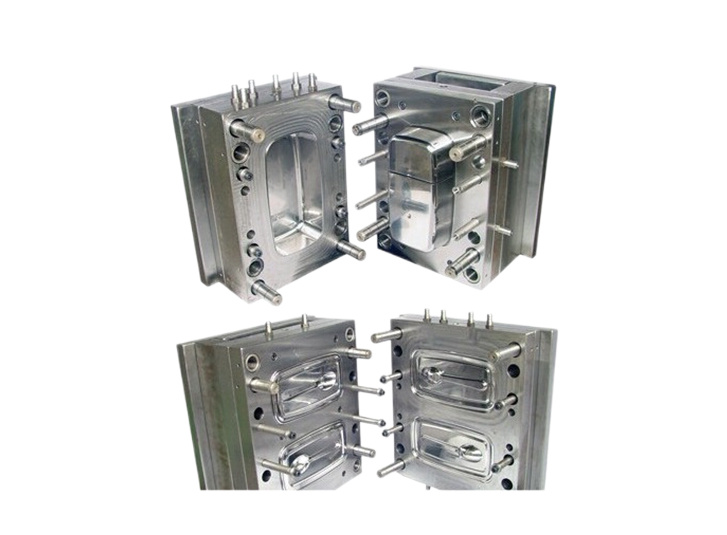
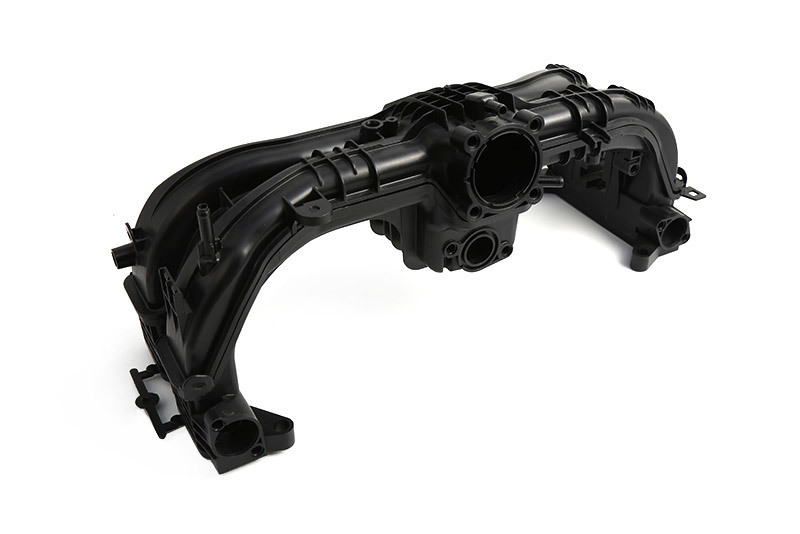
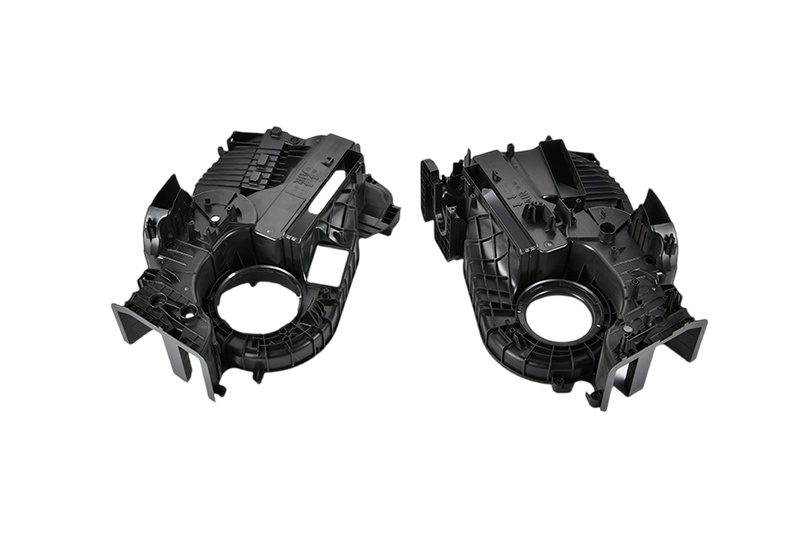
Plastic injection molding for vehicle trim has become a cornerstone in the automotive manufacturing sector, providing both efficiency and precision in producing high-quality components. This technique involves injecting molten plastic into a mold cavity, which then cools and solidifies to form the desired shape of trim parts such as dashboards, door panels, and exterior moldings.
One of the primary advantages of using plastic injection molds in vehicle trim production is the ability to create complex geometries with high repeatability. This precision is crucial for automotive applications, where aesthetic appeal and fitting accuracy significantly influence consumer satisfaction. The process allows manufacturers to produce intricate designs that can include various textures, colors, and finishes, enhancing both the visual and tactile aspects of vehicle interiors.
Another key benefit of this technique is its scalability. Once a mold is created, it can produce thousands of identical parts quickly, thereby reducing the time-to-market for new vehicle models. This mass production capability not only streamlines the manufacturing process but also significantly lowers labor costs, making it an attractive option for automotive companies striving to maintain competitive pricing while ensuring quality.
Furthermore, advancements in materials used for plastic injection molding have opened up new possibilities in vehicle trim applications. High-performance thermoplastics, such as ABS (Acrylonitrile Butadiene Styrene) and polycarbonate, offer improved durability and resistance to impact, heat, and chemicals. These properties are essential for vehicle components that face varying environmental conditions.
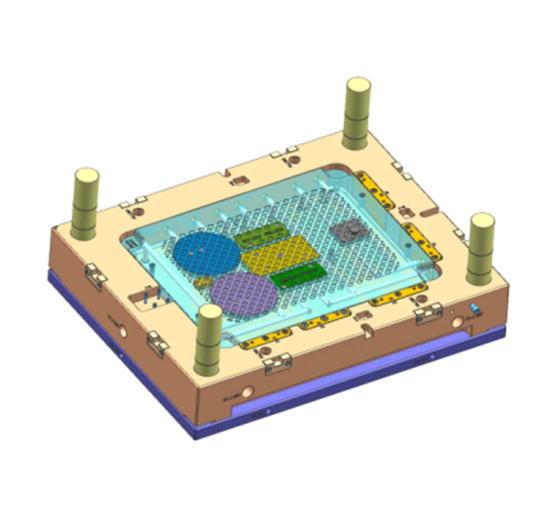
In addition to material innovations, the technological advancements in mold design and manufacturing—such as computer-aided design (CAD) and computer-aided manufacturing (CAM)—have vastly improved the efficiency of the injection molding process. These tools enable precise design modifications and simulations, which can help in optimizing mold performance and extending its lifespan.
To ensure the highest quality in plastic injection molds for vehicle trim, it is critical to conduct thorough quality assurance checks throughout the production process. This includes monitoring the temperature, pressure, and cooling time during injection to prevent defects such as warping or surface blemishes. Implementing strict quality control measures helps maintain the integrity of the final product and ensures compliance with industry standards.
In summary, plastic injection molding stands as a vital manufacturing process in the automotive industry, particularly for vehicle trim components. Its ability to produce high-quality, intricate parts efficiently makes it an essential technique for manufacturers looking to innovate and meet consumer demands. Understanding the nuances of this process can greatly enhance production strategies and product quality.
One of the primary advantages of using plastic injection molds in vehicle trim production is the ability to create complex geometries with high repeatability. This precision is crucial for automotive applications, where aesthetic appeal and fitting accuracy significantly influence consumer satisfaction. The process allows manufacturers to produce intricate designs that can include various textures, colors, and finishes, enhancing both the visual and tactile aspects of vehicle interiors.
Another key benefit of this technique is its scalability. Once a mold is created, it can produce thousands of identical parts quickly, thereby reducing the time-to-market for new vehicle models. This mass production capability not only streamlines the manufacturing process but also significantly lowers labor costs, making it an attractive option for automotive companies striving to maintain competitive pricing while ensuring quality.
Furthermore, advancements in materials used for plastic injection molding have opened up new possibilities in vehicle trim applications. High-performance thermoplastics, such as ABS (Acrylonitrile Butadiene Styrene) and polycarbonate, offer improved durability and resistance to impact, heat, and chemicals. These properties are essential for vehicle components that face varying environmental conditions.
In addition to material innovations, the technological advancements in mold design and manufacturing—such as computer-aided design (CAD) and computer-aided manufacturing (CAM)—have vastly improved the efficiency of the injection molding process. These tools enable precise design modifications and simulations, which can help in optimizing mold performance and extending its lifespan.
To ensure the highest quality in plastic injection molds for vehicle trim, it is critical to conduct thorough quality assurance checks throughout the production process. This includes monitoring the temperature, pressure, and cooling time during injection to prevent defects such as warping or surface blemishes. Implementing strict quality control measures helps maintain the integrity of the final product and ensures compliance with industry standards.
In summary, plastic injection molding stands as a vital manufacturing process in the automotive industry, particularly for vehicle trim components. Its ability to produce high-quality, intricate parts efficiently makes it an essential technique for manufacturers looking to innovate and meet consumer demands. Understanding the nuances of this process can greatly enhance production strategies and product quality.
Related news