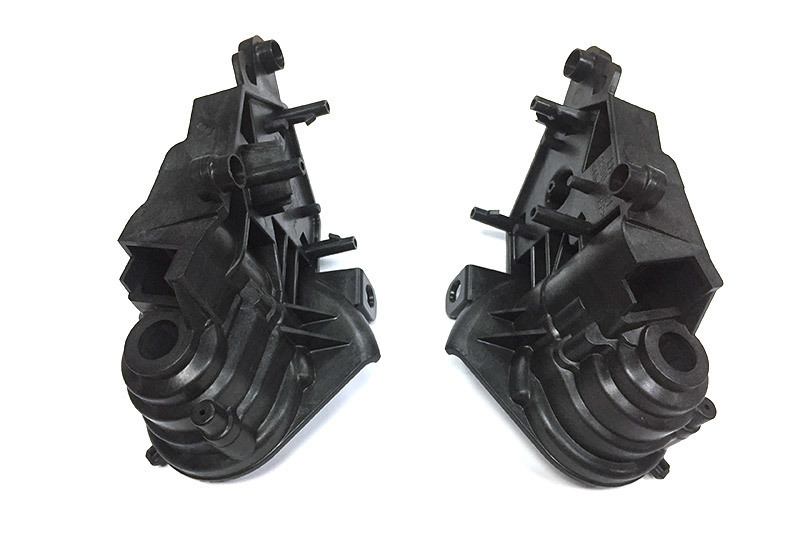
Understanding Injection Molding for Drain Tray Production
Injection molding is a highly efficient manufacturing process widely used for producing plastic parts, including drain trays. These components are essential for various applications, such as in kitchens, outdoor settings, and industrial environments, where water drainage is crucial. Understanding the specifics of injection molding for drain trays can significantly enhance production efficiency, re
2026-07-01
Injection molding is a highly efficient manufacturing process widely used for producing plastic parts, including drain trays. These components are essential for various applications, such as in kitchens, outdoor settings, and industrial environments, where water drainage is crucial. Understanding the specifics of injection molding for drain trays can significantly enhance production efficiency, reduce costs, and improve product quality.
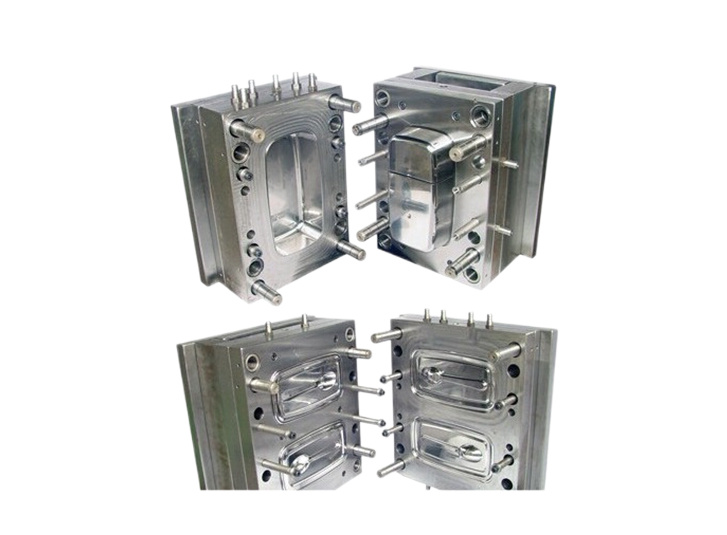
The injection molding process begins with the heating and melting of plastic materials. The molten plastic is then injected into a mold cavity under high pressure. For drain tray production, the design of the mold is critical. It should accommodate specific geometric features that enhance functionality, such as drainage channels, ribbing for structural integrity, and surface textures for aesthetic appeal.
One of the key advantages of using injection molds for drain trays is the ability to produce complex shapes with high precision. This accuracy ensures that the drain trays fit correctly into their intended applications, whether they are being used in residential or commercial settings. Furthermore, the use of high-quality molds can lead to enhanced durability and longevity of the product, which is especially important for items frequently exposed to water and varying temperatures.
Material selection is another important consideration in the injection molding process for drain trays. While various plastics can be utilized, common choices include polypropylene and polyethylene, due to their excellent resistance to moisture and chemicals. The chosen materials must also meet regulatory standards for safety and environmental impact, particularly if the trays will be used in food-related applications.
The cycle time for injection molding can vary based on the complexity of the design and the material used. However, once the initial mold is created, production can be highly efficient, allowing for large quantities of drain trays to be manufactured in a relatively short timeframe. This efficiency is a significant advantage for businesses looking to scale their operations.
Moreover, the flexibility of injection molding allows manufacturers to easily adapt to design changes or updates. As trends evolve and consumer needs change, having the capability to modify mold designs without extensive retooling can save both time and resources.
In conclusion, understanding the principles of injection molding for drain tray production is crucial for manufacturers in the industry. By focusing on mold design, material selection, and process efficiency, businesses can produce high-quality drain trays that meet market demands. Embracing these technical aspects not only enhances product performance but also positions manufacturers competitively in the marketplace.
The injection molding process begins with the heating and melting of plastic materials. The molten plastic is then injected into a mold cavity under high pressure. For drain tray production, the design of the mold is critical. It should accommodate specific geometric features that enhance functionality, such as drainage channels, ribbing for structural integrity, and surface textures for aesthetic appeal.
One of the key advantages of using injection molds for drain trays is the ability to produce complex shapes with high precision. This accuracy ensures that the drain trays fit correctly into their intended applications, whether they are being used in residential or commercial settings. Furthermore, the use of high-quality molds can lead to enhanced durability and longevity of the product, which is especially important for items frequently exposed to water and varying temperatures.
Material selection is another important consideration in the injection molding process for drain trays. While various plastics can be utilized, common choices include polypropylene and polyethylene, due to their excellent resistance to moisture and chemicals. The chosen materials must also meet regulatory standards for safety and environmental impact, particularly if the trays will be used in food-related applications.
The cycle time for injection molding can vary based on the complexity of the design and the material used. However, once the initial mold is created, production can be highly efficient, allowing for large quantities of drain trays to be manufactured in a relatively short timeframe. This efficiency is a significant advantage for businesses looking to scale their operations.
Moreover, the flexibility of injection molding allows manufacturers to easily adapt to design changes or updates. As trends evolve and consumer needs change, having the capability to modify mold designs without extensive retooling can save both time and resources.
In conclusion, understanding the principles of injection molding for drain tray production is crucial for manufacturers in the industry. By focusing on mold design, material selection, and process efficiency, businesses can produce high-quality drain trays that meet market demands. Embracing these technical aspects not only enhances product performance but also positions manufacturers competitively in the marketplace.
Related news