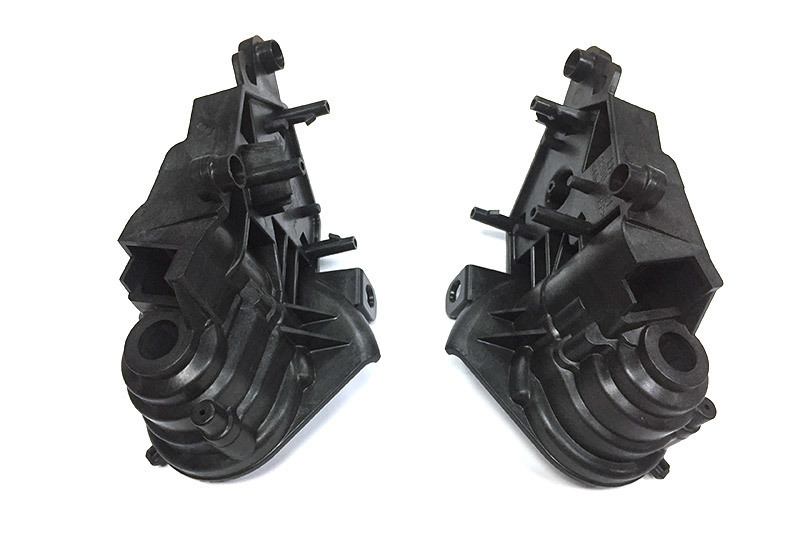
Revamping Dashboard Design: The Critical Role of Advanced Automotive Molds
Revamping Dashboard Design: The Critical Role of Advanced Automotive Molds Table of Contents 1. Introduction to Dashboard Design Revamp 2. The Significance of Advanced Automotive Molds 3. Current Trends in Automotive Dashboard Design 3.1 Enhancing User Experience 3.2 Emphasis on Sustainability 4. Technological Advancements in Mold Manufact
2026-06-11
Revamping Dashboard Design: The Critical Role of Advanced Automotive Molds
Table of Contents
- 1. Introduction to Dashboard Design Revamp
- 2. The Significance of Advanced Automotive Molds
- 3. Current Trends in Automotive Dashboard Design
- 4. Technological Advancements in Mold Manufacturing
- 5. Challenges in Modern Dashboard Design
- 6. Notable Case Studies of Successful Dashboard Revamps
- 7. The Future of Dashboard Design and Molds
- 8. FAQs about Advanced Automotive Molds
- 9. Conclusion
1. Introduction to Dashboard Design Revamp
The automotive industry is undergoing a significant transformation, primarily driven by advances in technology, user expectations, and environmental considerations. At the forefront of this evolution is the design of vehicle dashboards. As vehicles become more sophisticated, the need for innovative dashboard designs that cater to both functionality and aesthetics has become paramount. **Advanced automotive molds** play an essential role in this transformation, enabling manufacturers to create complex shapes and features that meet modern demands.
2. The Significance of Advanced Automotive Molds
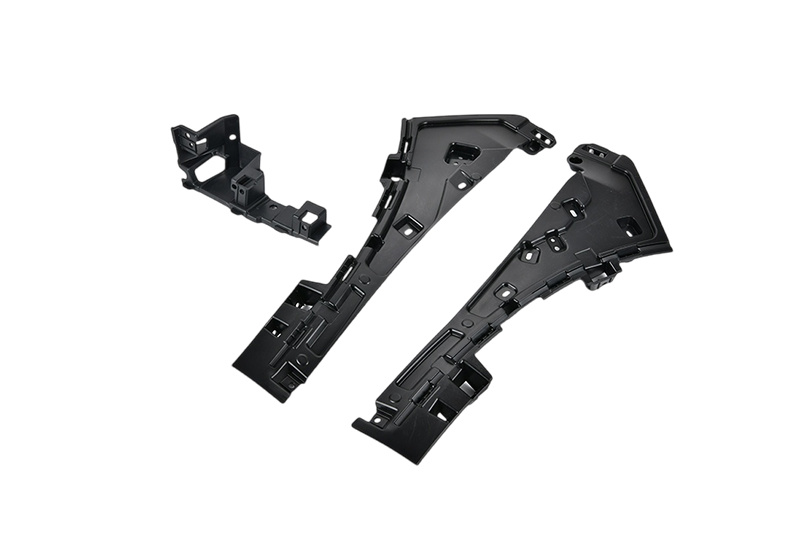
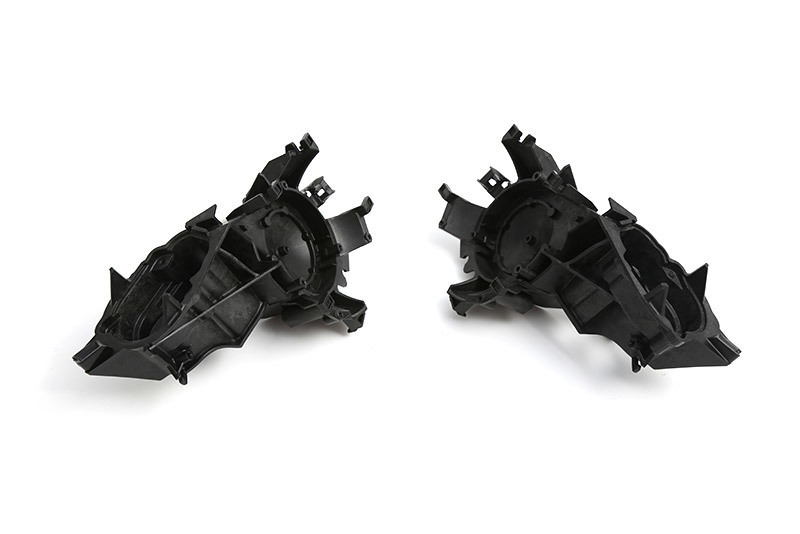
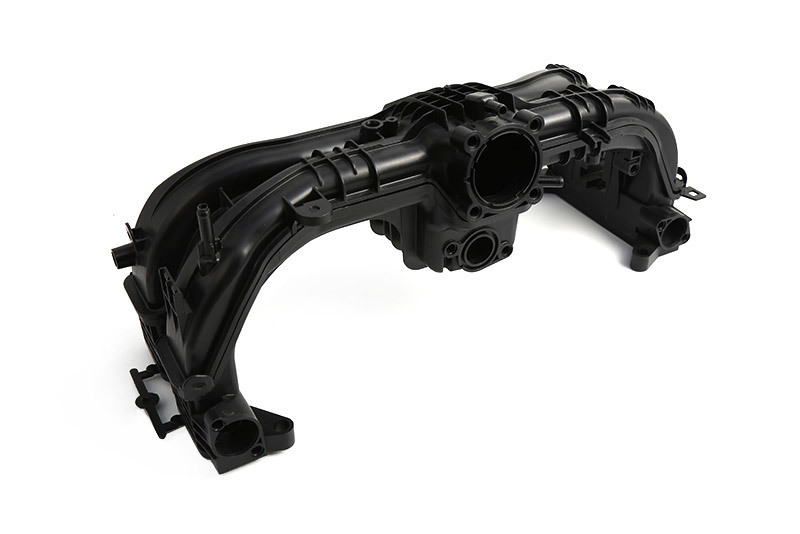
Automotive molds are crucial in producing high-quality dashboards that align with contemporary design trends. These molds allow manufacturers to achieve precision, efficiency, and durability in their products. As dashboards serve as the interface between drivers and their vehicles, the importance of using advanced molds cannot be understated. High-quality automotive molds contribute to:
- **Enhanced Structural Integrity**: Advanced molds ensure that the dashboard maintains its shape and function over time, even under various temperature and pressure conditions.
- **Cost-effectiveness**: By improving the manufacturing process and reducing waste, advanced molds deliver long-term savings for automotive manufacturers.
- **Customization**: Manufacturers can easily create custom designs that cater to different vehicle models and consumer preferences.
3. Current Trends in Automotive Dashboard Design
The dashboard design landscape is rapidly changing, influenced by technological advancements and shifts in consumer behavior. Understanding these trends is vital for manufacturers striving to stay competitive.
3.1 Enhancing User Experience
A primary focus in modern dashboard design is the user experience. Designers are prioritizing ergonomics and intuitive interfaces to enhance safety and convenience. Features such as touchscreens, heads-up displays, and voice activation are becoming standard, allowing drivers to access information without diverting their attention from the road.
3.2 Emphasis on Sustainability
Sustainability is another crucial trend. Consumers are increasingly prioritizing eco-friendly materials and practices in their purchasing decisions. Advanced automotive molds can facilitate the use of **recycled materials** and promote energy-efficient production processes, aligning with the growing demand for sustainable automotive solutions.
4. Technological Advancements in Mold Manufacturing
The automotive industry is reaping the benefits of various technological advancements that are reshaping mold manufacturing and design.
4.1 The Rise of 3D Printing in Molds
3D printing technology is revolutionizing the way automotive molds are created. This technology allows for rapid prototyping and the manufacture of complex designs that traditional methods struggle to achieve. Through **additive manufacturing**, companies can reduce lead times significantly, allowing them to respond to market changes quickly.
4.2 Implementation of Smart Materials
Smart materials, which respond dynamically to environmental changes, are increasingly being used in automotive dashboards. These materials can adapt their properties based on stimuli, enhancing both performance and user experience. For instance, **thermochromic materials** can change color with temperature variations, adding an interactive element to dashboard designs.
5. Challenges in Modern Dashboard Design
While the advancements in dashboard design are promising, several challenges persist in the industry. These include:
- **Compliance with Safety Regulations**: As the dashboard serves as a critical component of vehicle safety, manufacturers must ensure that their designs comply with all relevant regulations.
- **Balancing Aesthetics and Functionality**: Designers often face the challenge of creating visually appealing dashboards that do not compromise on usability.
- **Integration of Technology**: Incorporating advanced technology while maintaining a streamlined design can be challenging, requiring careful planning and development.
6. Notable Case Studies of Successful Dashboard Revamps
Several automotive manufacturers have successfully revamped their dashboard designs, showcasing the impact of advanced molds on their products.
One notable example is **Tesla**, which has redefined dashboard design through its minimalist approach and advanced digital interfaces. By utilizing advanced molds, Tesla creates sleek, seamless designs that integrate technology without overwhelming the driver.
Another example is **BMW**, which combines luxury with functionality in its dashboard designs. The use of high-quality molds allows for intricate details that enhance both the visual appeal and user experience, making their vehicles stand out in a crowded market.
7. The Future of Dashboard Design and Molds
Looking ahead, the future of dashboard design is bright with possibilities. As technology continues to evolve, manufacturers will likely explore new materials and processes to enhance dashboard functionality. The integration of artificial intelligence and the Internet of Things (IoT) is expected to become more prevalent, leading to smarter and more connected dashboards.
The role of advanced automotive molds will be crucial in this evolution, enabling manufacturers to create innovative solutions that meet the demands of an ever-changing market.
8. FAQs about Advanced Automotive Molds
1. What are advanced automotive molds?
Advanced automotive molds are high-precision tools used in the manufacturing of automotive components, particularly dashboards. They enable the creation of complex designs and enhance the structural integrity of final products.
2. How do advanced molds improve dashboard design?
Advanced molds allow for greater design flexibility, enabling manufacturers to create aesthetically pleasing and functional dashboards while maintaining cost-effectiveness and sustainability.
3. What technologies are influencing mold manufacturing?
Technologies such as 3D printing, smart materials, and automation are significantly influencing mold manufacturing, facilitating rapid prototyping and enhancing product quality.
4. Why is sustainability important in dashboard design?
Sustainability is important in dashboard design as consumers increasingly demand eco-friendly solutions, pushing manufacturers to adopt sustainable practices and materials.
5. How can manufacturers ensure compliance with safety regulations?
Manufacturers can ensure compliance with safety regulations by staying informed about regulatory standards, conducting thorough testing, and integrating safety features into their designs from the outset.
9. Conclusion
The revamping of dashboard design in the automotive industry is a multifaceted endeavor that requires a keen understanding of both aesthetic and functional elements. Advanced automotive molds play a pivotal role in shaping the future of dashboard design, enabling manufacturers to create innovative, sustainable, and user-friendly solutions. As technology continues to advance, the collaboration between mold manufacturers and automotive designers will be essential in driving the industry forward, ensuring that dashboards not only meet consumer expectations but exceed them in the years to come.
Related news