Understanding Plastic Injection Molds for Vehicle Trim: A Comprehensive Guide
Plastic injection molding is a widely used manufacturing process in the automotive industry, particularly for producing vehicle trim components. This method involves injecting molten plastic into a mold cavity, where it cools and solidifies into the desired shape. One of the main advantages of plastic injection molds for vehicle trim is their ability to produce complex geometries with high precisi
2026-06-15
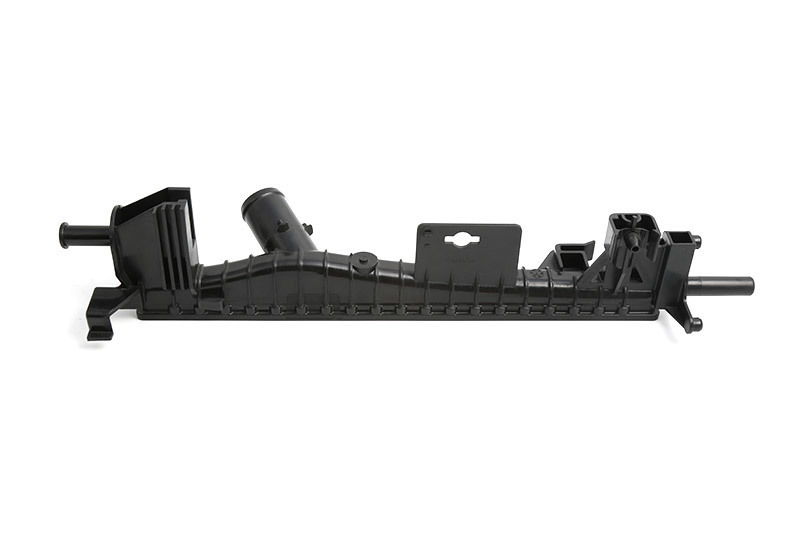
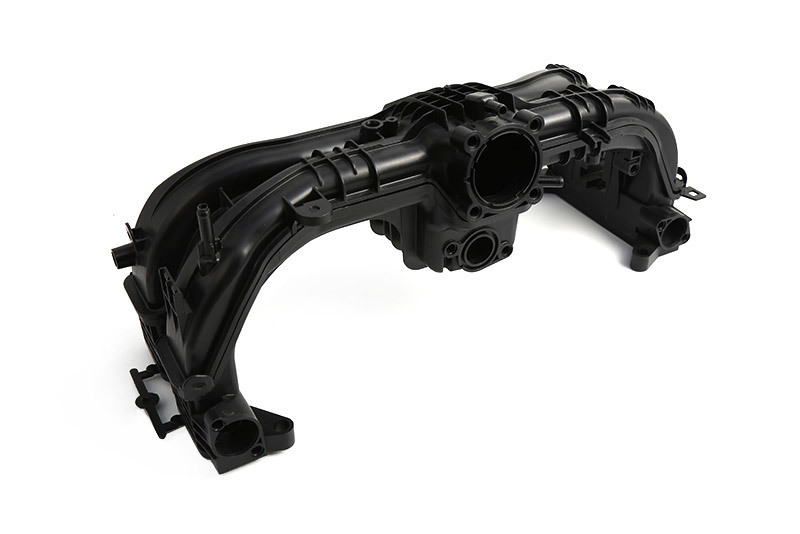
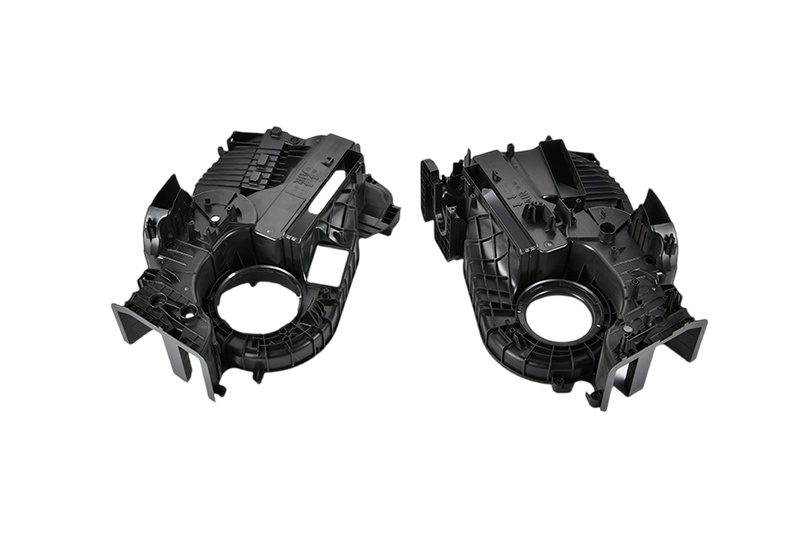
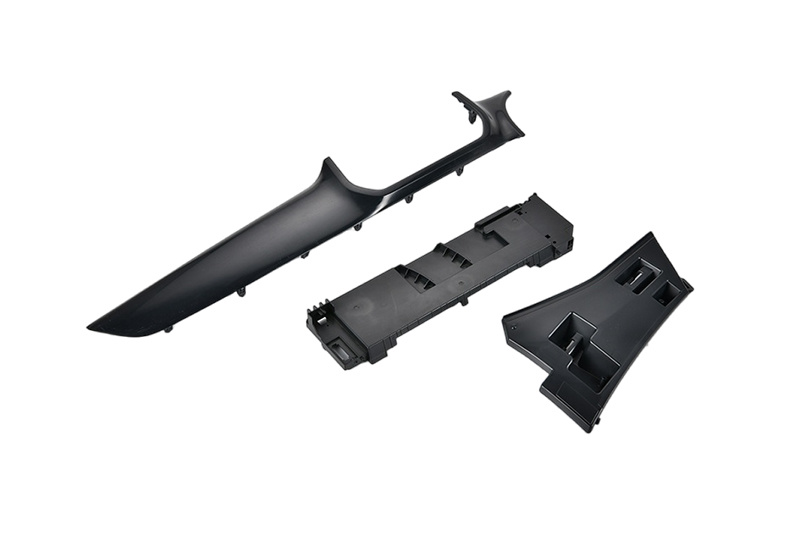
Plastic injection molding is a widely used manufacturing process in the automotive industry, particularly for producing vehicle trim components. This method involves injecting molten plastic into a mold cavity, where it cools and solidifies into the desired shape. One of the main advantages of plastic injection molds for vehicle trim is their ability to produce complex geometries with high precision and repeatability. This ensures that each component fits seamlessly into the vehicle's design, enhancing both aesthetics and functionality.
When designing plastic injection molds for vehicle trim, several factors must be considered. Firstly, the choice of material is critical. Common materials used in vehicle trim include polypropylene, ABS, and polycarbonate, each offering distinct properties such as durability, impact resistance, and aesthetic appeal. Selecting the right material not only influences the end product’s performance but also affects the mold design and manufacturing process.
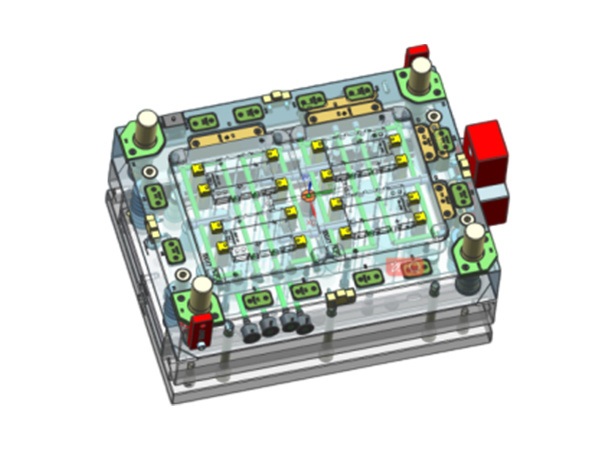
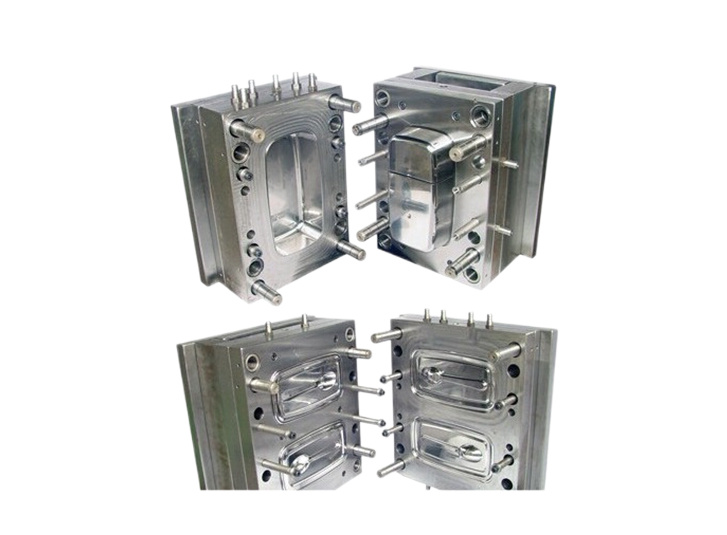
Another important aspect is the mold design itself. Effective mold design can significantly impact the efficiency of the injection process. Features such as gating systems, cooling channels, and venting must be meticulously planned to ensure optimal flow of material and minimal cycle times. A well-designed mold can lead to reduced production costs and improved product quality, ultimately contributing to the overall success of the manufacturing operation.
Additionally, the injection molding process for vehicle trim typically includes several critical steps. After the mold is designed and constructed, it undergoes testing to ensure that it meets the required specifications. Once validated, the production process begins, where the selected plastic material is heated to a high temperature and injected into the mold. After cooling, the mold is opened, and the finished component is removed.
Quality control is an essential component of this process. Each vehicle trim part must undergo rigorous testing to ensure it meets industry standards for safety, durability, and performance. Advanced techniques such as 3D scanning and dimensional inspection are often employed to guarantee precision and adherence to specifications.
In conclusion, plastic injection molds for vehicle trim play a vital role in the automotive manufacturing process. By understanding the complexities of mold design, material selection, and production techniques, manufacturers can enhance their capabilities and deliver high-quality products that meet the demands of the automotive market. As technology continues to evolve, staying informed about advancements in injection molding will be crucial for success in this competitive industry.
When designing plastic injection molds for vehicle trim, several factors must be considered. Firstly, the choice of material is critical. Common materials used in vehicle trim include polypropylene, ABS, and polycarbonate, each offering distinct properties such as durability, impact resistance, and aesthetic appeal. Selecting the right material not only influences the end product’s performance but also affects the mold design and manufacturing process.
Another important aspect is the mold design itself. Effective mold design can significantly impact the efficiency of the injection process. Features such as gating systems, cooling channels, and venting must be meticulously planned to ensure optimal flow of material and minimal cycle times. A well-designed mold can lead to reduced production costs and improved product quality, ultimately contributing to the overall success of the manufacturing operation.
Additionally, the injection molding process for vehicle trim typically includes several critical steps. After the mold is designed and constructed, it undergoes testing to ensure that it meets the required specifications. Once validated, the production process begins, where the selected plastic material is heated to a high temperature and injected into the mold. After cooling, the mold is opened, and the finished component is removed.
Quality control is an essential component of this process. Each vehicle trim part must undergo rigorous testing to ensure it meets industry standards for safety, durability, and performance. Advanced techniques such as 3D scanning and dimensional inspection are often employed to guarantee precision and adherence to specifications.
In conclusion, plastic injection molds for vehicle trim play a vital role in the automotive manufacturing process. By understanding the complexities of mold design, material selection, and production techniques, manufacturers can enhance their capabilities and deliver high-quality products that meet the demands of the automotive market. As technology continues to evolve, staying informed about advancements in injection molding will be crucial for success in this competitive industry.
Related news