Understanding Injection Molds for Air Intake Pipe Assembly: A Comprehensive Guide
Injection molding has become a pivotal process in the manufacturing industry, especially in creating components such as air intake pipe assemblies. These components play a crucial role in the automotive sector, as they are responsible for channeling air into the engine, thus impacting overall vehicle performance and efficiency. Understanding the intricacies of injection molds for air intake pipe a
2026-07-17
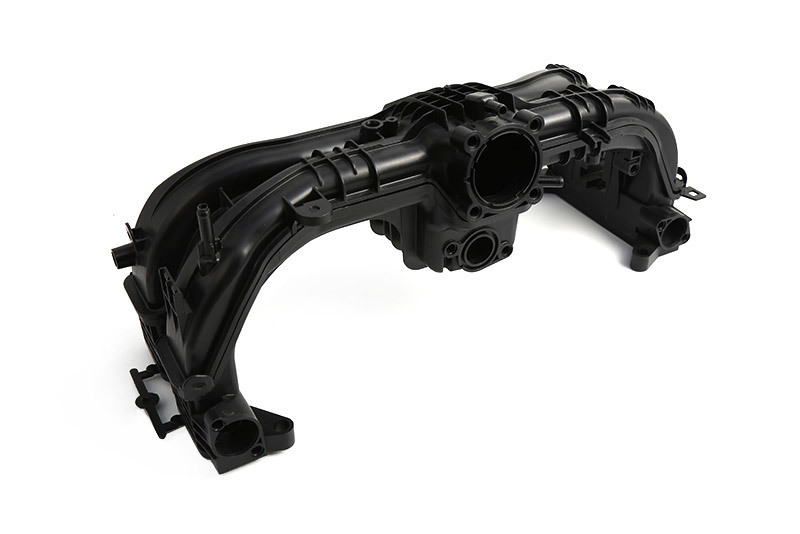
Injection molding has become a pivotal process in the manufacturing industry, especially in creating components such as air intake pipe assemblies. These components play a crucial role in the automotive sector, as they are responsible for channeling air into the engine, thus impacting overall vehicle performance and efficiency. Understanding the intricacies of injection molds for air intake pipe assembly can significantly enhance production quality and reduce costs.
Firstly, the design of injection molds for air intake pipe assemblies is critical. The mold needs to accommodate the specific geometries and dimensions required for a precise fit within the vehicle. This involves using advanced CAD (Computer-Aided Design) software to simulate and evaluate the mold's functionality before production begins. Factors such as wall thickness, rib design, and flow paths are meticulously analyzed to ensure that the final part meets stringent automotive standards.
Secondly, the manufacturing process of these molds is as equally important. Injection molds are typically constructed from high-quality steel or aluminum to withstand the high pressures and temperatures involved in the injection process. The machining and finishing processes must be executed with precision to ensure the internal surfaces of the mold are smooth, reducing friction during the injection of thermoplastics. This not only improves the quality of the air intake pipe assemblies but also speeds up the production cycle time.
Moreover, the choice of material for the air intake pipe assemblies is another critical aspect influenced by the mold design. Commonly, materials such as polypropylene, polyamide, or reinforced nylon are used due to their lightweight properties and resistance to heat and chemicals. The injection mold is designed to handle these materials efficiently, ensuring consistent quality across multiple production runs.
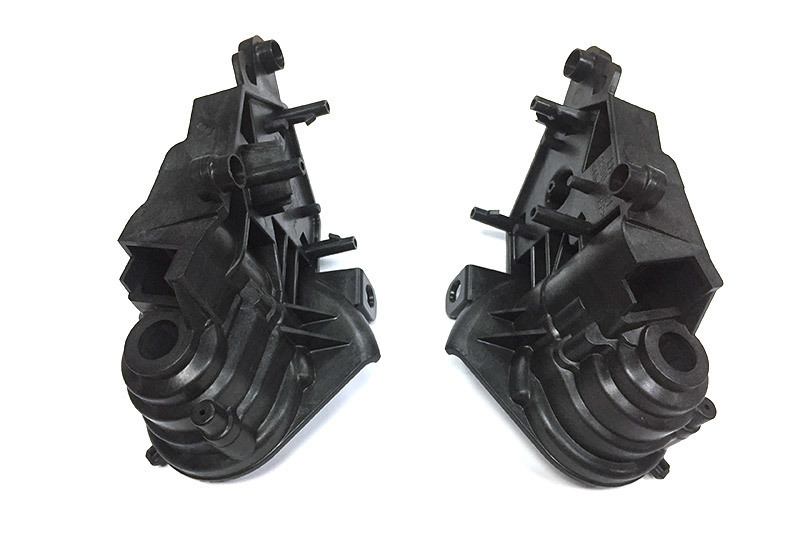
Furthermore, the injection molding process for air intake pipe assemblies allows for the incorporation of complex features such as integrated mounting points or channels, which can be achieved through careful mold design. This capability not only reduces the need for additional assembly operations but also enhances the overall performance of the final product.
Lastly, ongoing advancements in technology, such as the use of 3D printing for rapid prototyping of molds, have transformed the industry. This allows for faster iteration and testing of mold designs, ensuring that manufacturers can adapt to changing requirements swiftly.
In summary, injection molds for air intake pipe assembly are a cornerstone of modern automotive manufacturing. Their design and manufacturing processes play a vital role in ensuring the functionality, efficiency, and longevity of automotive components. By embracing advanced technologies and materials, manufacturers can enhance their production capabilities and maintain a competitive edge in the market. Understanding these elements is crucial for anyone involved in the manufacturing and processing machinery sector, as they directly impact the quality and performance of the final products.
Firstly, the design of injection molds for air intake pipe assemblies is critical. The mold needs to accommodate the specific geometries and dimensions required for a precise fit within the vehicle. This involves using advanced CAD (Computer-Aided Design) software to simulate and evaluate the mold's functionality before production begins. Factors such as wall thickness, rib design, and flow paths are meticulously analyzed to ensure that the final part meets stringent automotive standards.
Secondly, the manufacturing process of these molds is as equally important. Injection molds are typically constructed from high-quality steel or aluminum to withstand the high pressures and temperatures involved in the injection process. The machining and finishing processes must be executed with precision to ensure the internal surfaces of the mold are smooth, reducing friction during the injection of thermoplastics. This not only improves the quality of the air intake pipe assemblies but also speeds up the production cycle time.
Moreover, the choice of material for the air intake pipe assemblies is another critical aspect influenced by the mold design. Commonly, materials such as polypropylene, polyamide, or reinforced nylon are used due to their lightweight properties and resistance to heat and chemicals. The injection mold is designed to handle these materials efficiently, ensuring consistent quality across multiple production runs.
Furthermore, the injection molding process for air intake pipe assemblies allows for the incorporation of complex features such as integrated mounting points or channels, which can be achieved through careful mold design. This capability not only reduces the need for additional assembly operations but also enhances the overall performance of the final product.
Lastly, ongoing advancements in technology, such as the use of 3D printing for rapid prototyping of molds, have transformed the industry. This allows for faster iteration and testing of mold designs, ensuring that manufacturers can adapt to changing requirements swiftly.
In summary, injection molds for air intake pipe assembly are a cornerstone of modern automotive manufacturing. Their design and manufacturing processes play a vital role in ensuring the functionality, efficiency, and longevity of automotive components. By embracing advanced technologies and materials, manufacturers can enhance their production capabilities and maintain a competitive edge in the market. Understanding these elements is crucial for anyone involved in the manufacturing and processing machinery sector, as they directly impact the quality and performance of the final products.
Related news