Understanding Injection Molding for Drain Tray Manufacturing
Injection molding is a highly efficient manufacturing process used to produce a variety of plastic components, and it plays a crucial role in the production of items like drain trays. These trays serve essential functions in various industries, including food service, automotive, and even commercial kitchens. Understanding the intricacies of injection molding for drain trays can significantly enha
2026-07-25
Injection molding is a highly efficient manufacturing process used to produce a variety of plastic components, and it plays a crucial role in the production of items like drain trays. These trays serve essential functions in various industries, including food service, automotive, and even commercial kitchens. Understanding the intricacies of injection molding for drain trays can significantly enhance both production efficiency and product quality.
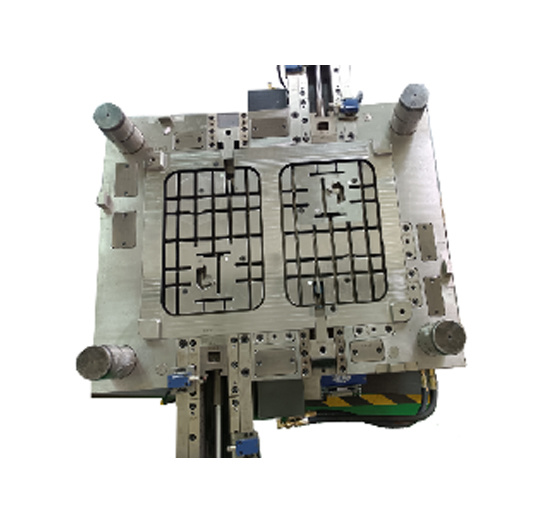
At its core, injection molding involves melting plastic material and injecting it into a mold cavity where it cools and solidifies into the desired shape. For drain trays, the design of the mold is critical. It must incorporate features such as drainage holes, raised edges, and channels to facilitate proper drainage while ensuring the structural integrity of the tray. The mold design process requires a thorough understanding of the plastic’s properties, as well as the intended application of the drain tray.
Material selection is another important aspect of creating an effective injection mold for drain trays. Common materials used include polypropylene (PP) and high-density polyethylene (HDPE), both of which offer excellent chemical resistance and durability. Additionally, these materials are easy to mold and can withstand varying temperatures, making them ideal for applications that may involve exposure to heat or moisture.
The advantages of using injection molding for producing drain trays are manifold. First, it allows for high-volume production runs, making it economical for large-scale manufacturing. Second, the precision achievable with injection molds ensures consistent quality across all produced trays, minimizing defects and waste. Furthermore, the process enables the incorporation of complex designs that might be challenging to achieve with other manufacturing methods.
It’s also worth noting the environmental considerations surrounding injection molding. Advances in technology have led to the development of more sustainable practices, such as the use of recycled materials and efforts to reduce energy consumption during the manufacturing process. These innovations not only help in minimizing the environmental footprint but also align with the growing demand for eco-friendly products.
In conclusion, understanding the injection molding process for drain trays reveals its importance in the manufacturing industry. The combination of precise mold design, suitable material selection, and efficient production techniques contributes to the creation of high-quality, functional drain trays. As industries continue to prioritize efficiency and sustainability, injection molding stands out as a vital method for producing essential components like drain trays.
At its core, injection molding involves melting plastic material and injecting it into a mold cavity where it cools and solidifies into the desired shape. For drain trays, the design of the mold is critical. It must incorporate features such as drainage holes, raised edges, and channels to facilitate proper drainage while ensuring the structural integrity of the tray. The mold design process requires a thorough understanding of the plastic’s properties, as well as the intended application of the drain tray.
Material selection is another important aspect of creating an effective injection mold for drain trays. Common materials used include polypropylene (PP) and high-density polyethylene (HDPE), both of which offer excellent chemical resistance and durability. Additionally, these materials are easy to mold and can withstand varying temperatures, making them ideal for applications that may involve exposure to heat or moisture.
The advantages of using injection molding for producing drain trays are manifold. First, it allows for high-volume production runs, making it economical for large-scale manufacturing. Second, the precision achievable with injection molds ensures consistent quality across all produced trays, minimizing defects and waste. Furthermore, the process enables the incorporation of complex designs that might be challenging to achieve with other manufacturing methods.
It’s also worth noting the environmental considerations surrounding injection molding. Advances in technology have led to the development of more sustainable practices, such as the use of recycled materials and efforts to reduce energy consumption during the manufacturing process. These innovations not only help in minimizing the environmental footprint but also align with the growing demand for eco-friendly products.
In conclusion, understanding the injection molding process for drain trays reveals its importance in the manufacturing industry. The combination of precise mold design, suitable material selection, and efficient production techniques contributes to the creation of high-quality, functional drain trays. As industries continue to prioritize efficiency and sustainability, injection molding stands out as a vital method for producing essential components like drain trays.
Related news